

Iran’s Retaliatory Missile Barrage Targets Tel Aviv Amid Escalating US-Israel-Iran War
By: Juba Global News Network | JubaGlobal.comMarch 6, 2026 – 03:08 AM EST Update As the US-Israel-Iran conflict surges into its seventh day on March 6, 202
By: Juba Global News Network | JubaGlobal.comMarch 6, 2026 – 03:08 AM EST Update
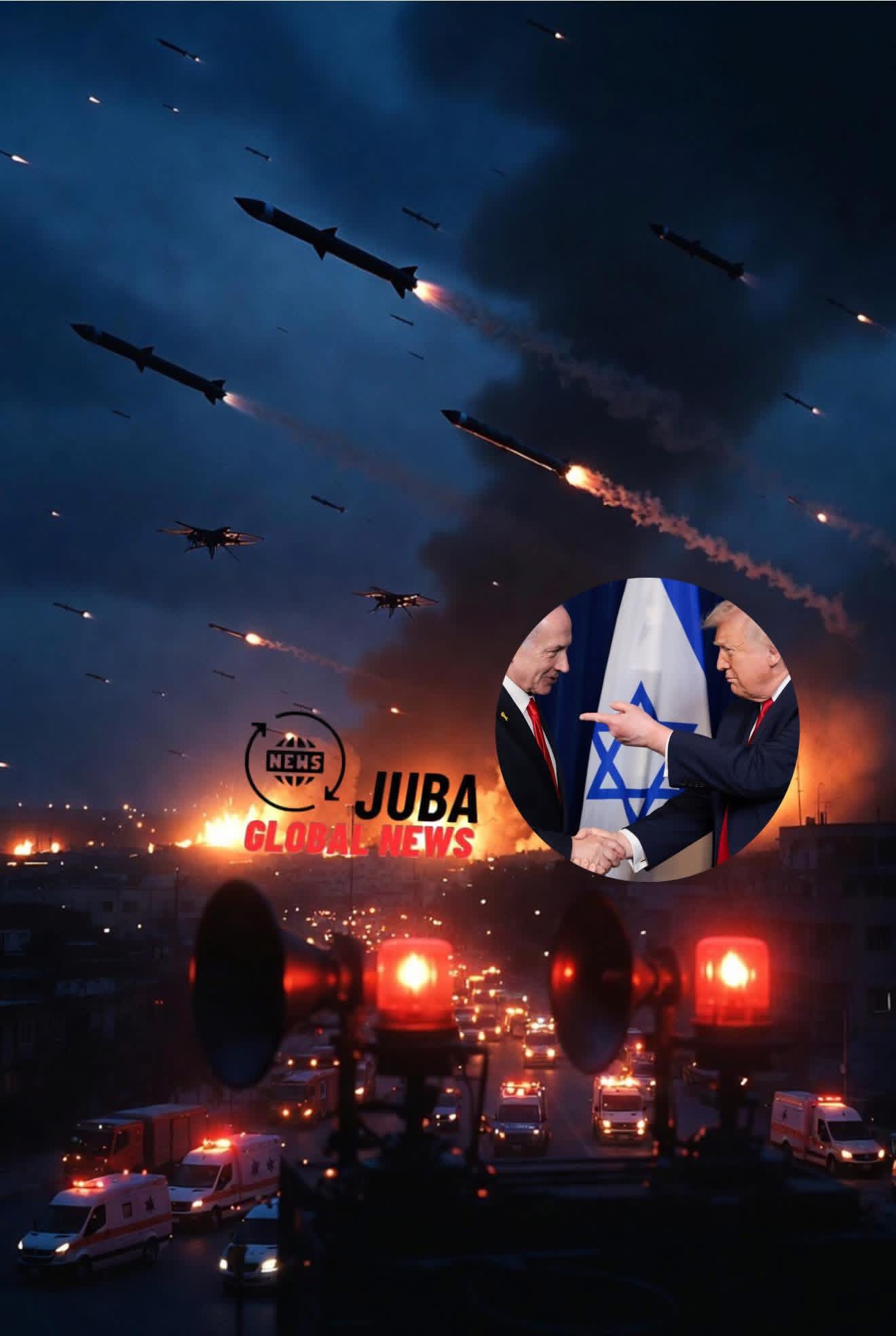
As the US-Israel-Iran conflict surges into its seventh day on March 6, 2026, Iran’s Islamic Revolutionary Guard Corps (IRGC) has launched yet another wave of retaliatory strikes, this time focusing on Israel’s commercial and economic heart: Tel Aviv. The barrage, described by Iranian state media as a “combined drone and missile attack” targeting “the heart of Tel Aviv” and central Israeli regions, comes amid relentless US-Israeli airstrikes that have severely degraded Iran’s military capabilities but failed to silence its response entirely.
The Latest Iranian Salvo: Details and Immediate Impact
Iran’s IRGC announced the launch of ballistic missiles—including models reportedly carrying heavy one-ton warheads—and swarms of drones aimed at strategic sites in Tel Aviv, such as Ben Gurion Airport, nearby Israeli Air Force bases, and central urban areas. Explosions reverberated across Tel Aviv late Thursday into early Friday, with air raid sirens blaring, rocket trails lighting up the night sky, and reports of fires erupting in residential buildings and commercial zones.
Israeli defenses, including the Iron Dome, David’s Sling, and Arrow systems, intercepted the majority of incoming projectiles. However, some missiles penetrated, causing damage: shrapnel sparked fires, buildings sustained structural hits, and emergency services rushed to scenes in central Israel. Casualty figures remain fluid—earlier barrages in the war have killed civilians (including a woman in her forties in one Tel Aviv-area strike) and injured dozens, with cluster warheads noted in previous attacks injuring at least 12 near Tel Aviv on March 3. No major new fatalities were immediately confirmed from this specific wave, though rescue operations continue amid damaged sites in areas like Ramat Gan and Netanya.
The IRGC framed the strikes as direct retaliation for ongoing US-Israeli bombardment, including fresh waves hitting Tehran, Beirut suburbs (targeting Hezbollah), and Iranian missile infrastructure. Iran’s state broadcaster emphasized that missiles were directed “against targets in the heart of Tel Aviv,” underscoring the intent to strike symbolically and economically vital locations.
Broader Context: Iran’s Diminishing but Persistent Retaliatory Capacity
US Central Command and Israeli officials report significant success in degrading Iran’s arsenal. Ballistic missile attacks on Israel have dropped by approximately 90% since the conflict’s start on February 28, with drone strikes reduced by 83%. The combined US-Israeli campaign—codenamed Operation Epic Fury (US) and Operation Roaring Lion (Israel)—has destroyed hundreds of launchers (over 300 per IDF claims), suppressed air defenses, and targeted underground storage sites in a new “second phase” of operations.
Despite this, Iran has persisted with multiple barrages. Since the war began, Iran has fired dozens of missiles and drones not only at Israel but across the Persian Gulf at US bases in Bahrain, Qatar, UAE, Kuwait, Jordan, Iraq, and Saudi Arabia. On March 5 alone, Iran conducted at least eight barrages targeting northern and central Israel, including one with a cluster warhead. Gulf states intercepted most incoming threats, though some missiles and drones landed, causing limited damage.
The rate of fire has decreased sharply—Iran launched only a “handful” in early March 5 barrages—aligning with Israeli assessments that remaining launchers are being systematically eliminated. IDF officials predict Iranian ballistic fire “will stop soon” as underground sites come under heavier attack.
UK Evacuation Efforts: First Government Flight Amid Regional Chaos
Compounding the crisis, the United Kingdom has begun evacuating its citizens from the Middle East on its first dedicated government flight home. British Prime Minister Keir Starmer described the operation as a “huge undertaking,” potentially “many times bigger” than the 2021 Afghanistan withdrawal, with estimates of 200,000–300,000 UK nationals in the Gulf region (many in UAE, Qatar, and other hotspots).
The Foreign Office activated rapid response teams, deployed Typhoon fighter jets and air defense systems to bases in Cyprus and Qatar, and advised citizens to shelter in place where possible. Airspace closures, Iranian strikes on regional airports and hotels, and escalating risks have stranded thousands. Starmer stressed protecting British lives as the priority, with jets already intercepting threatening drones. Other nations, including the US, have issued similar evacuation alerts, with reports of wealthy expatriates relocating assets from Dubai amid fears of wider fallout.
Strategic Implications and the Path Forward
Iran’s continued launches, even at reduced scale, demonstrate resilience under wartime leadership by the IRGC, which has assumed a hardened stance following the assassination of Supreme Leader Ali Khamenei in the opening strikes. Tehran vows no ceasefire or negotiations without full cessation of attacks, while closing parts of the Strait of Hormuz and halting oil/gas exports have already spiked global energy prices.
For Israel, the barrages—now numbering over a dozen confirmed impacts since February 28—underscore the persistent threat despite degraded Iranian capabilities. US Secretary of Defense Pete Hegseth has signaled a dramatic surge in operations, with no clear endgame beyond dismantling Iran’s missile, nuclear, and naval assets.
The conflict’s spillover—Hezbollah activations prompting Israeli strikes in Beirut, proxy attacks in the Gulf, and NATO posture increases—raises fears of broader entanglement. Civilian tolls mount: over 1,200 reported dead in Iran, dozens in Israel from missile strikes, and casualties across the region.
As sirens fade in Tel Aviv and smoke rises over Tehran, the war remains intensely fluid. Diplomatic channels appear blocked, with Trump administration statements emphasizing regime pressure and opposition mobilization. The coming days could see either a decisive degradation of Iranian retaliation or further dangerous escalation.
Juba Global News Network continues to monitor developments from Reuters, Al Jazeera, BBC, CNN, AP, The New York Times, and the Institute for the Study of War. For live updates, consult these trusted sources. Stay vigilant and safe amid this rapidly evolving crisis.
