

Heavy Snowfall Devastates Northwestern Japan: Death Toll Rises to 45, Over 500 Injured Amid Record-Breaking Blizzard Conditions
Since late January 2026, Japan’s northwestern regions—particularly those facing the Sea of Japan—have been battered by an extraordinary and relentless wave
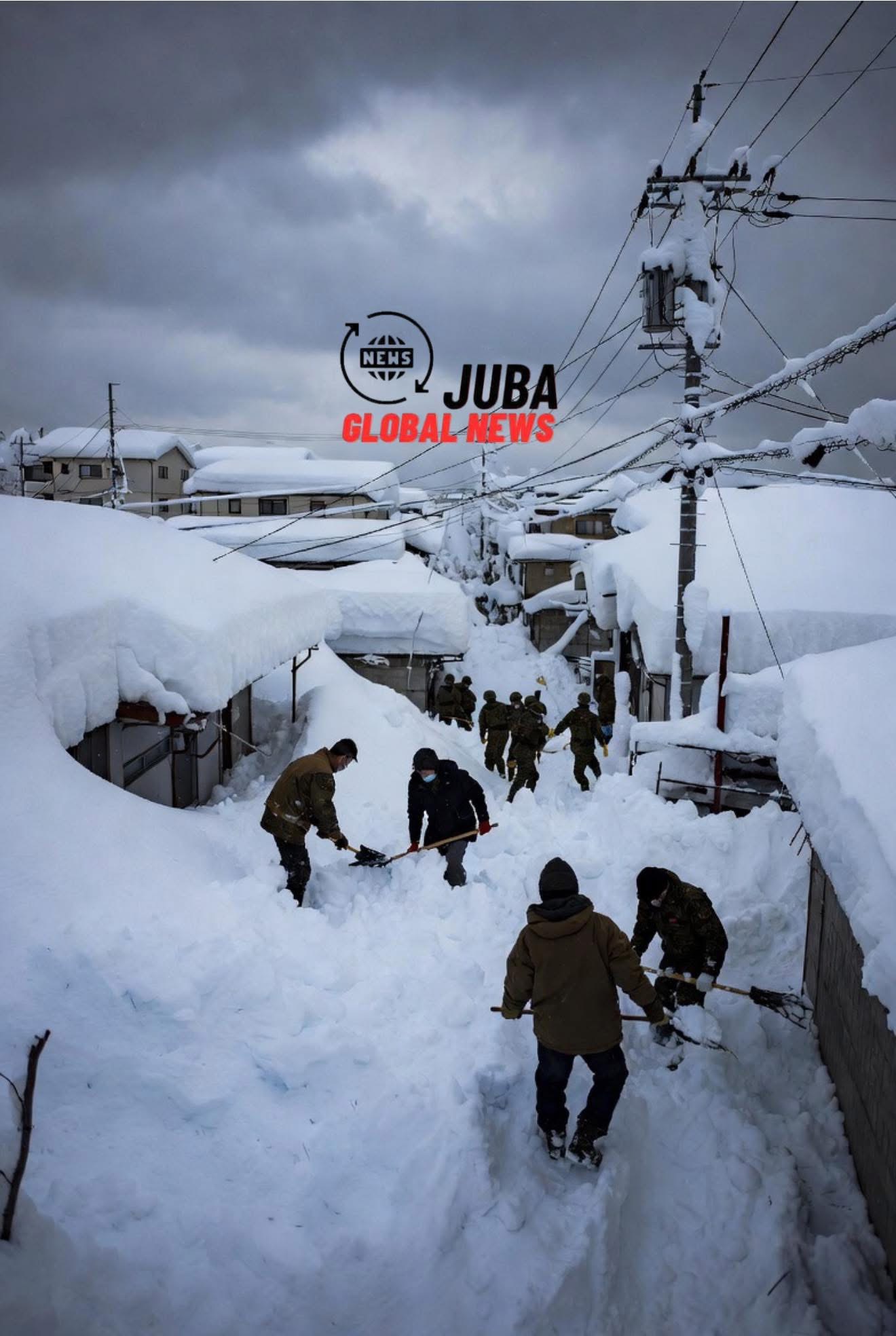
Since late January 2026, Japan’s northwestern regions—particularly those facing the Sea of Japan—have been battered by an extraordinary and relentless wave of heavy snowfall, driven by repeated incursions of frigid Arctic air masses. This extreme winter weather event, one of the most severe in recent decades, has claimed at least 45 lives and left more than 500 people injured nationwide, according to Japan’s Fire and Disaster Management Agency (FDMA) as of February 7, 2026. The toll continues to mount as rescue operations persist and authorities brace for additional hazards from melting snow and forecasted further accumulations.
Niigata Prefecture bears the brunt of the disaster, recording the highest casualties with 17 deaths and over 170 injuries. Other hard-hit areas include Aomori (with deep drifts exceeding 4.6 meters in places), Akita, Yamagata, and parts of Hokkaido. Snow depths in some locations have reached unprecedented levels—up to 2 meters (6.5 feet) or more in coastal prefectures—surpassing 40-year records and burying homes, vehicles, and infrastructure under massive white blankets.
Most fatalities stem from tragic, preventable incidents tied directly to the snow’s weight and volume. The majority involve elderly residents or homeowners attempting to clear rooftops or pathways, only to suffer fatal falls, heart attacks from overexertion, or being buried in sudden collapses. Reports detail heartbreaking cases: a 91-year-old woman discovered beneath a 3-meter snow pile outside her home in Aomori; men collapsing on roofs in Niigata while shoveling; and others swept into snow-disposal waterways. Serious injuries—totaling around 126 in earlier tallies—include fractures, hypothermia, and trauma from slips on ice or collapsing structures. Fourteen homes have been damaged or partially crushed under the snow load, with three in Niigata and eight in Aomori alone.
The meteorological driver behind this catastrophe is a persistent winter pressure pattern that pulls cold Siberian air over the warm Sea of Japan, generating intense “lake-effect” style snowbands. This has resulted in near-continuous heavy snowfall since around January 20, affecting at least 15 of Japan’s 47 prefectures. In Aomori Prefecture, accumulations doubled seasonal averages, while Sapporo in Hokkaido saw depths exceed 1 meter amid blowing snow warnings. Bullet trains, regional rail lines, and highways have faced widespread cancellations and closures, stranding thousands and disrupting supply chains for food, fuel, and medical essentials.
The Japanese government has mobilized the Self-Defense Forces (SDF) to assist with snow removal, road clearing, and rescue efforts in the hardest-hit zones. Snowplows, heavy machinery, and troops have worked around the clock, but the sheer scale has strained resources. Power outages affected over 1,700 homes in some areas, and schools in Aomori and elsewhere closed for days, impacting thousands of students.
Authorities now warn of a dangerous secondary phase: as temperatures begin to rise slightly, rapid melting could trigger avalanches, roof collapses from shifting snow, and flooding in low-lying areas. The Japan Meteorological Agency has issued alerts for continued heavy snow through the weekend, with up to 70 cm possible in parts of Niigata and 50-60 cm in other regions along the Sea of Japan and Pacific sides. Blizzard conditions, strong winds, and high waves add to transportation and safety risks.
This winter’s extremes highlight Japan’s vulnerability to climate-amplified weather events. While heavy snow is common in the “Japan Sea side” (the northwestern coast), the intensity and duration this season have broken records and exposed gaps in preparedness—particularly for aging rural populations who often live in older homes ill-equipped for such loads.
As the nation grapples with the human cost—families mourning lost loved ones, communities digging out from drifts taller than houses—officials urge extreme caution: avoid unnecessary roof-clearing without professional help, use proper safety gear, and monitor weather alerts closely. Emergency hotlines remain active, and relief efforts continue.
Our thoughts are with the victims, the injured, and everyone enduring this brutal winter in Japan. In the face of nature’s fury, resilience and community support remain the strongest defenses. Stay safe, and heed the warnings as more snow looms.
