

Global Outrage Erupts: UN Security Council Debates Legality of U.S. Intervention in Venezuela Amid Widespread Condemnation
January 6, 2026 – United Nations Headquarters, New York The United Nations Security Council convened an emergency session on January 5, 2026, to address th
January 6, 2026 – United Nations Headquarters, New York
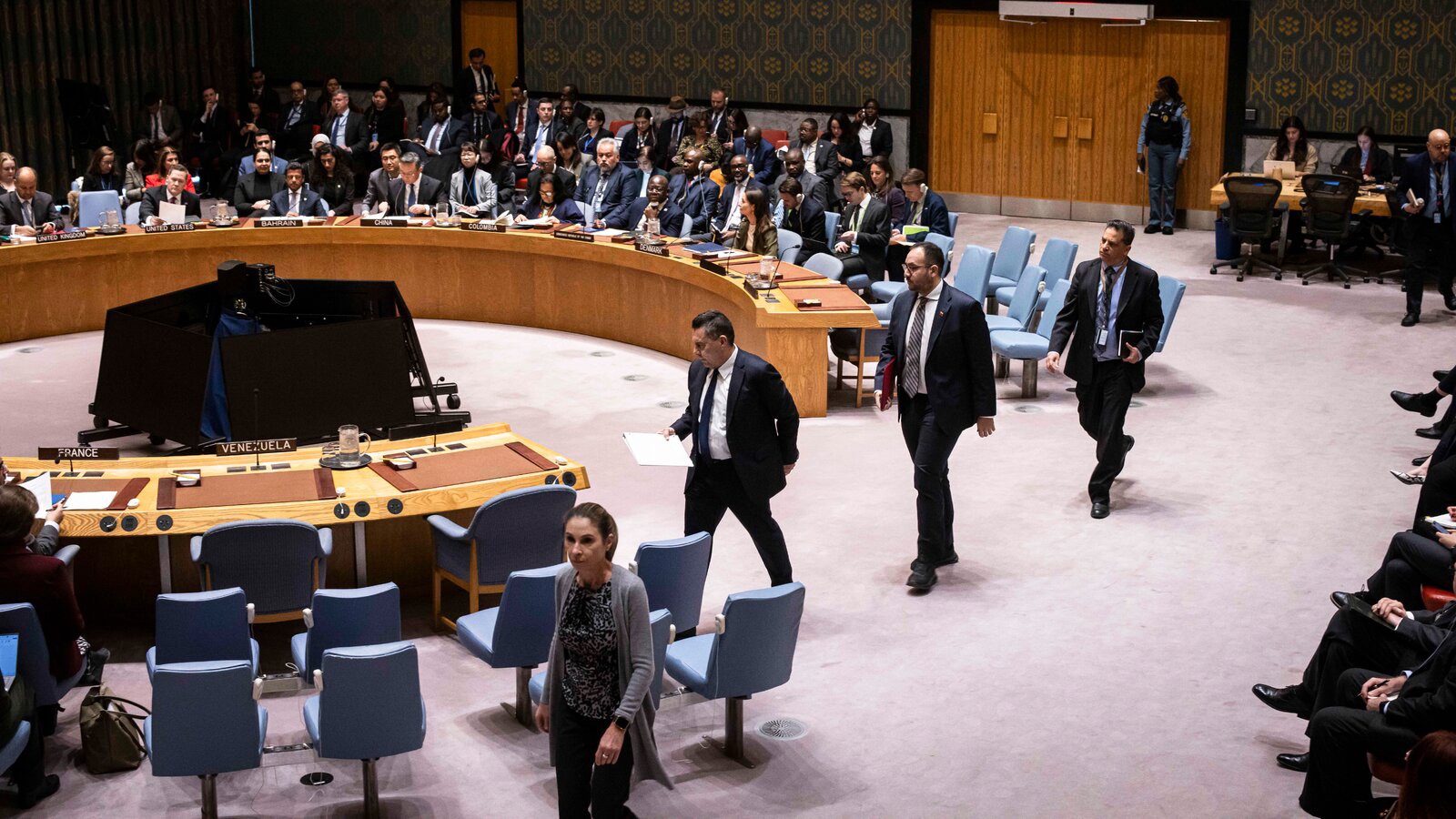
The United Nations Security Council convened an emergency session on January 5, 2026, to address the escalating international crisis triggered by the United States’ military operation in Venezuela, which resulted in the capture of President Nicolás Maduro and his wife, Cilia Flores. The raid, conducted by U.S. special forces in Caracas on January 3, has been defended by Washington as a “surgical law enforcement operation” aimed at bringing Maduro to justice on narco-terrorism and drug trafficking charges. However, the action has ignited a firestorm of global backlash, with accusations of violating international law, undermining sovereignty, and setting a dangerous precedent for unilateral military interventions.
The operation, which involved airstrikes on Venezuelan targets and the forcible extraction of Maduro from his residence, has drawn sharp rebukes from adversaries like Russia and China, as well as cautious criticism from traditional U.S. allies. UN Secretary-General António Guterres described the U.S. actions as constituting “a dangerous precedent,” emphasizing that they occurred without Venezuelan consent or a UN mandate. As Maduro appeared in a New York federal court on January 5, pleading not guilty, the world watched as diplomatic tensions reached a boiling point.
The UN Security Council Showdown: Allies and Adversaries Unite in Criticism
The Security Council meeting, requested by Russia and China, highlighted deep divisions but also unexpected alignments in condemning the U.S. move. Russia’s envoy denounced the raid as “criminal” and an “act of war,” warning that it erodes the foundational principles of the UN Charter, particularly Article 2(4), which prohibits the use of force against another state’s territorial integrity. China echoed these sentiments, accusing the U.S. of “bullying” and imperialistic behavior, stating that such actions destabilize global order and could invite retaliatory measures.
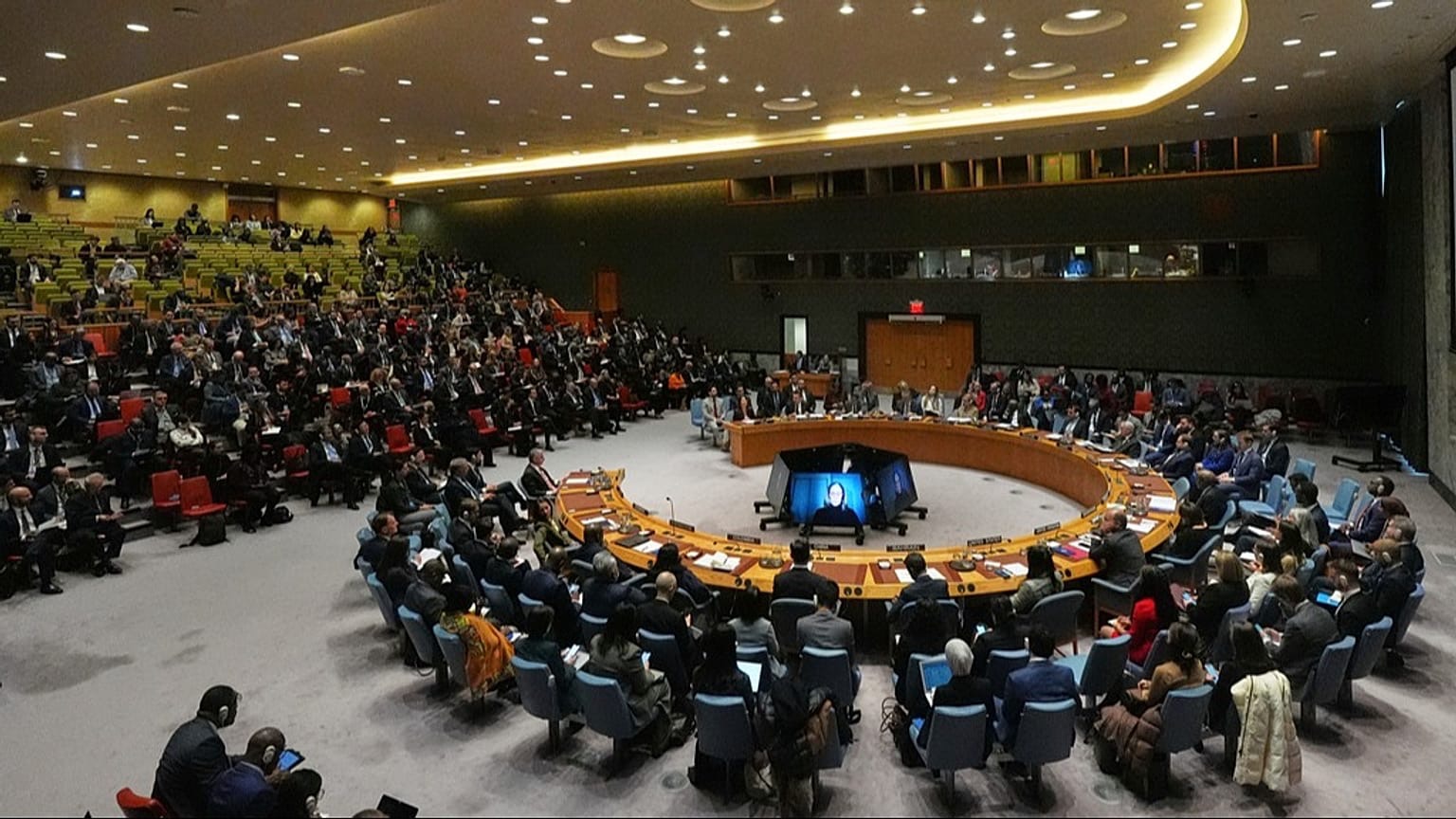
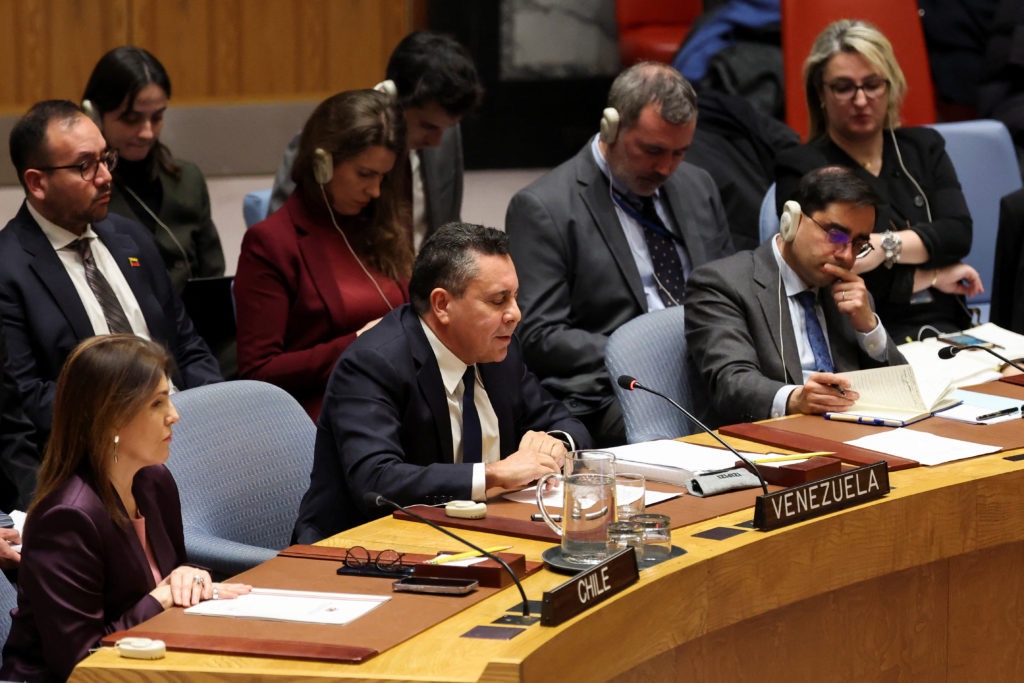
Even U.S. allies expressed reservations. France’s representative, while acknowledging Maduro’s controversial rule, criticized the operation for bypassing international norms, noting that any intervention should involve multilateral oversight. The European Union, through its high representative, urged restraint and emphasized the need for diplomatic solutions over military force. Surprisingly, Argentina broke ranks with much of Latin America by defending the U.S. at the council, calling the capture a “historic” step toward regional stability. This stance drew ire from neighbors like Brazil and Mexico, who labeled the intervention a “violation of sovereignty” and called for Maduro’s immediate release.
African nations, often aligned with non-interference principles, voiced “deep concern” over the precedent, fearing it could justify similar actions against smaller states. The U.S. envoy, Mike Waltz, pushed back vigorously, framing the operation as a targeted enforcement of U.S. indictments rather than an invasion, and accused the council of hypocrisy for ignoring Maduro’s alleged crimes. Despite this defense, the meeting ended without a resolution, underscoring the council’s paralysis on the issue.
Broader Global Reactions: From Outrage to Cautious Support
Beyond the UN chambers, reactions poured in from world leaders and public figures, reflecting a polarized international landscape.
Italian Prime Minister Giorgia Meloni supported the raid as a “legitimate defensive response,” aligning with Washington’s narrative of combating narco-terrorism. In contrast, protests erupted across Latin America, Europe, and even within the U.S., with demonstrators decrying the action as “imperialist aggression.” In Caracas, interim leader Delcy Rodríguez demanded Maduro’s release, labeling the capture a “kidnapping” and vowing to rally international support.
Social media amplified the debate, with users worldwide questioning the legality and ethics of the operation. One post highlighted the division in Venezuela itself, noting that while some celebrated Maduro’s removal, others saw it as a foreign-imposed coup. Legal experts on platforms like X argued that the U.S. action constitutes an act of war under international law, lacking justification without UN approval. Another user pointed out the hypocrisy, referencing past U.S. interventions and warning of a “terrifying precedent.”
In Asia, China’s state media condemned the strikes as a breach of sovereignty, while India’s response remained measured, calling for dialogue. Australian commentators questioned the legality, with one outlet stating that the U.S. violated Venezuelan airspace and international norms. In the Middle East, reactions were mixed, with some viewing it as another example of U.S. overreach.
Legal and Geopolitical Implications: A Precedent for Chaos?
International law scholars have been vocal in their analysis, asserting that the U.S. operation flouts the UN Charter and sets a perilous example. “This isn’t law enforcement; it’s regime change by force,” one expert noted, warning that it could embolden other powers to conduct similar abductions. The capture raises questions about head-of-state immunity and the role of the International Criminal Court, though Maduro faces U.S. federal charges rather than international ones.
Geopolitically, the intervention has deepened rifts. Russia and China, Maduro’s key backers, have threatened diplomatic repercussions, potentially including support for anti-U.S. alliances in Latin America. Europe remains split, with Germany and Ukraine indirectly drawn into the rhetoric amid broader tensions. For the U.S., under President Donald Trump, the move signals a return to assertive foreign policy, but it risks isolating Washington further. Trump has indicated plans for interim control of Venezuela’s oil reserves, a statement that has fueled accusations of economic motives.
Domestically in Venezuela, the power vacuum has led to instability, with Rodríguez assuming interim leadership amid reports of divided loyalties in the military. Human rights groups warn that the capture won’t solve underlying issues like economic collapse and migration, potentially exacerbating them.
Looking Ahead: A Test for Global Order
As the dust settles, the UN debate underscores a broader crisis in multilateralism. Will this incident lead to reforms in international law, or further erode trust in institutions? With Maduro’s trial looming and global protests ongoing, the world awaits Washington’s next steps. For now, the backlash serves as a stark reminder: in an interconnected world, unilateral actions rarely go unchallenged.
This article draws on reports from multiple international sources to provide a balanced view of the unfolding events.
By: Juba Global News Network | JubaGlobal.com
