

Gabon Enters New Political Era with Economic Diversification Priorities, While Uganda and African Economies Face Challenges
Libreville, April 27, 2025 – Gabon has embarked on a transformative political and economic journey under the leadership of President Brice Clotaire Oligui
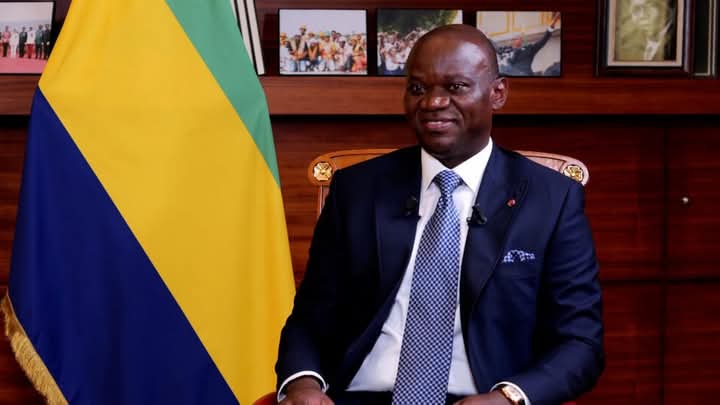
Libreville, April 27, 2025 – Gabon has embarked on a transformative political and economic journey under the leadership of President Brice Clotaire Oligui Nguema, who secured a landslide victory in the April 12 presidential election, winning over 90% of the vote. The former junta leader, who ousted the Bongo dynasty in a bloodless coup in August 2023, now faces the monumental task of delivering on promises to diversify Gabon’s oil-reliant economy and address systemic corruption. Meanwhile, Uganda grapples with an influx of imported products threatening local agriculture, and African oil-producing nations reel from a sharp decline in global oil prices.
Gabon: A New Era Under President Oligui Nguema
Gabon’s transition to a new political era marks the end of 55 years of Bongo family rule, which was marred by allegations of corruption and mismanagement. President Oligui Nguema, a former Republican Guard commander, has pledged to “restore dignity to the Gabonese people” through sweeping reforms. His administration’s priorities, as outlined by spokesperson Jean Gaspard Ntoutoume Ayi, center on reducing Gabon’s dependence on oil, which accounts for 38% of GDP and over 70% of exports.
“The first two years of this presidency will focus on establishing a robust legal framework and reliable state infrastructure,”
Ntoutoume Ayi said in a recent interview. He emphasized ambitious projects like the Bilinga iron mine, which could create over 20,000 jobs through the construction of 600 kilometers of railways, a deep-water port, and hydroelectric dams. Agriculture is also a key focus, with Gabon’s low population density offering untapped potential to develop the sector and engage youth.
Despite these ambitions, challenges loom. Gabon’s economy remains vulnerable to global oil price fluctuations, and recent credit rating downgrades reflect concerns over rising debt. Ntoutoume Ayi stressed the need for “concrete actions” to modernize the economy, warning that Gabon’s abundant natural resources and strategic location must be leveraged effectively to combat unemployment and poverty, which affects a third of the population.
President Oligui Nguema’s administration has already implemented measures to ease living costs, such as suspending taxes on food staples and domestic flights, and has launched a taskforce to recover stolen government funds, reclaiming $157 million so far. However, critics note that Oligui’s ties to the Bongo era, including his role under Ali Bongo, raise skepticism about systemic change.
Uganda: Local Agriculture Under Threat
In Uganda, the agricultural sector, a cornerstone of the economy, is facing a crisis as imported products flood markets. At Kampala’s Nakasero market, cheaper and more consistent imports from Kenya and Tanzania are displacing local produce, squeezing farmers’ livelihoods. This influx highlights Uganda’s struggle to bolster domestic agriculture amid rising competition and limited infrastructure to support local producers. The government faces growing pressure to implement policies that protect farmers and enhance agricultural productivity to ensure food security and economic stability.
African Economies Shaken by Oil Price Drop
Across Africa, oil-producing nations are grappling with the economic fallout of a sharp decline in global oil prices. Countries like Nigeria, Angola, and Gabon, heavily reliant on oil exports, face shrinking revenues, reduced GDP growth, and challenges importing essential goods. The drop underscores the urgency of economic diversification, as these economies remain vulnerable to volatile commodity markets. For Gabon, this global trend amplifies the need for Oligui Nguema’s administration to accelerate reforms in mining, agriculture, and other non-oil sectors to build resilience.
Looking Ahead
Gabon stands at a critical juncture, with President Oligui Nguema’s seven-year mandate offering a window to reshape the nation’s trajectory. Jean Gaspard Ntoutoume Ayi’s call for “deep reforms” reflects the administration’s recognition of the challenges ahead, from managing debt to fostering inclusive growth. In Uganda, protecting local agriculture will require strategic interventions to counter the dominance of imports. For African oil-dependent economies, the current crisis is a stark reminder of the need to diversify to withstand global shocks. As Gabon and its neighbors navigate these challenges, the success of their efforts will hinge on bold, actionable policies and sustained commitment to reform.
