

Federal Funding Delays Hamper Flood Mitigation Efforts in Washington Amid Devastating Storms
Screenshot By: Juba Global News Network | JubaGlobal.com December 21, 2025 As Washington state residents continue to grapple with the profound aftermath of
By: Juba Global News Network | JubaGlobal.com
December 21, 2025
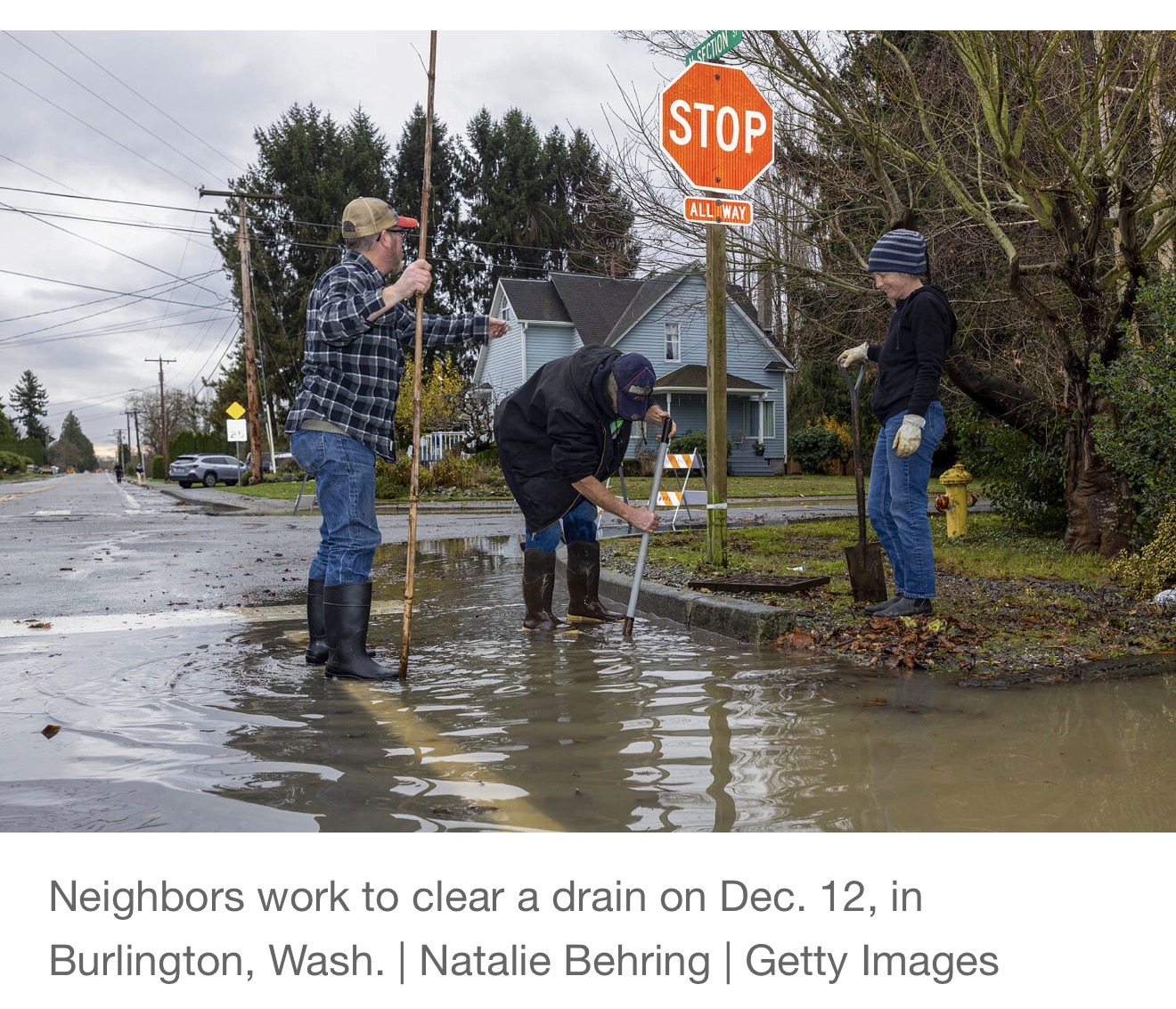
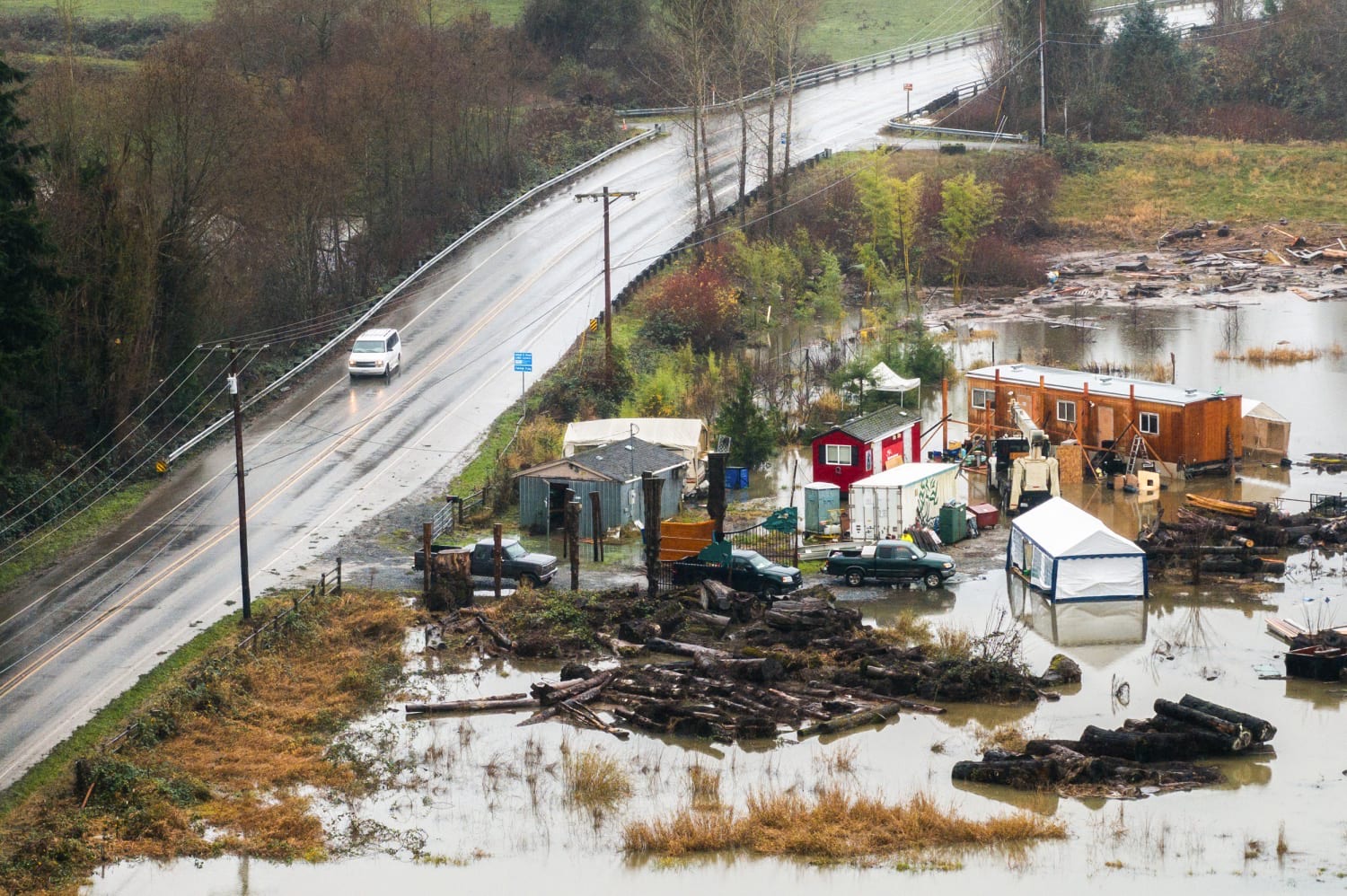
As Washington state residents continue to grapple with the profound aftermath of a series of intense atmospheric river storms that battered the region throughout December 2025, state officials are urgently underscoring the vital importance of proactive flood mitigation measures. These historic storms, among the most severe in recent memory, have caused widespread devastation: multiple levee failures, dozens of highway closures, over 600 rescues and assisted evacuations, at least one fatality, and flooding that inundated thousands of homes and businesses across western Washington.
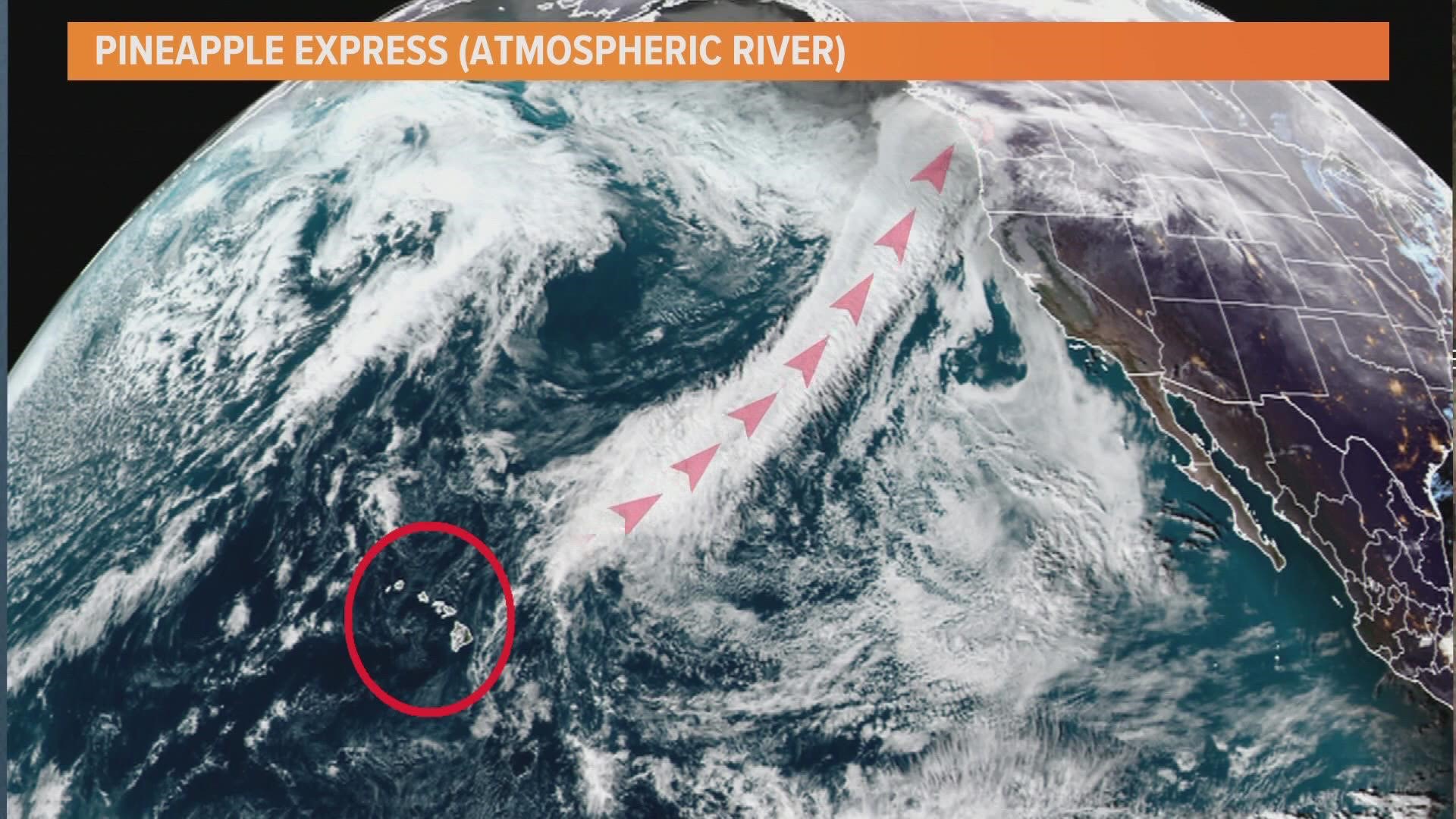
The deluge, driven by persistent atmospheric rivers—narrow corridors of concentrated moisture transported from tropical Pacific waters—dumped up to 16-20 inches of rain in some areas, resembling “fire hoses” on weather radar imagery and overwhelming rivers like the Skagit, Snohomish, and Nooksack.
Climate change has intensified these events, shifting more precipitation from snow to rain in the mountains and increasing overall rainfall intensity, leading experts to predict even more severe flooding in the future.
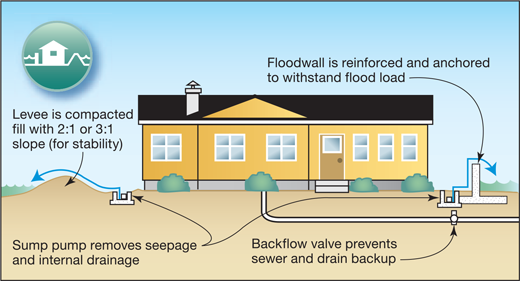
Washington had secured tens of millions in federal grants for critical resilience projects, including elevating homes in flood-prone areas, relocating vulnerable residents, constructing or reinforcing levees, and other hazard mitigation efforts.
However, actions by the Trump administration have significantly delayed or threatened this funding, leaving many initiatives in limbo precisely when they are most needed.
In April 2025, the administration announced plans to terminate FEMA’s Building Resilient Infrastructure and Communities (BRIC) program, labeling it “wasteful” and “politicized.” This move jeopardized approximately $182 million in approved funding for Washington state’s natural hazard mitigation projects. A coalition of states, including Washington, challenged the decision in court, resulting in a December 2025 ruling that deemed the cancellation unlawful and ordered restoration of the funds.
Additionally, Washington’s state hazard mitigation officer, Tim Cook, reported that another $31 million in disaster prevention grants have been stalled for months. These delays stem from a policy implemented by U.S. Secretary of Homeland Security Kristi Noem, requiring her personal approval for all Department of Homeland Security expenditures over $100,000—a measure intended to curb waste but criticized for creating bureaucratic bottlenecks in emergency preparedness funding.
While these delayed funds may not have prevented damage from the immediate December storms—due to the multi-year timelines for infrastructure projects—they are crucial for building long-term resilience against increasingly frequent and intense events. As Cook noted, recent studies indicate that every dollar invested in pre-disaster mitigation can save up to six dollars in future recovery costs.
The Trump administration has defended its reviews as necessary to eliminate inefficiency and ensure taxpayer accountability. Critics, including state officials and a multistate legal coalition, argue that such actions undermine bipartisan disaster preparedness efforts and expose communities to greater risks amid escalating climate-driven threats.
As recovery operations continue and forecasters warn of potential additional storms through the holiday season, the situation in Washington highlights a national debate: balancing fiscal oversight with the imperative to invest in proactive measures that protect lives, property, and infrastructure from the growing menace of extreme weather. Residents and leaders alike are calling for swift resolution to funding disputes to safeguard against the next inevitable deluge.
