

EU Approves Landmark €90 Billion Aid Package for Ukraine’s 2026-2027 Needs
The European Union has taken a decisive step in its ongoing support for Ukraine amid the protracted war with Russia. On February 4, 2026, the Council of th
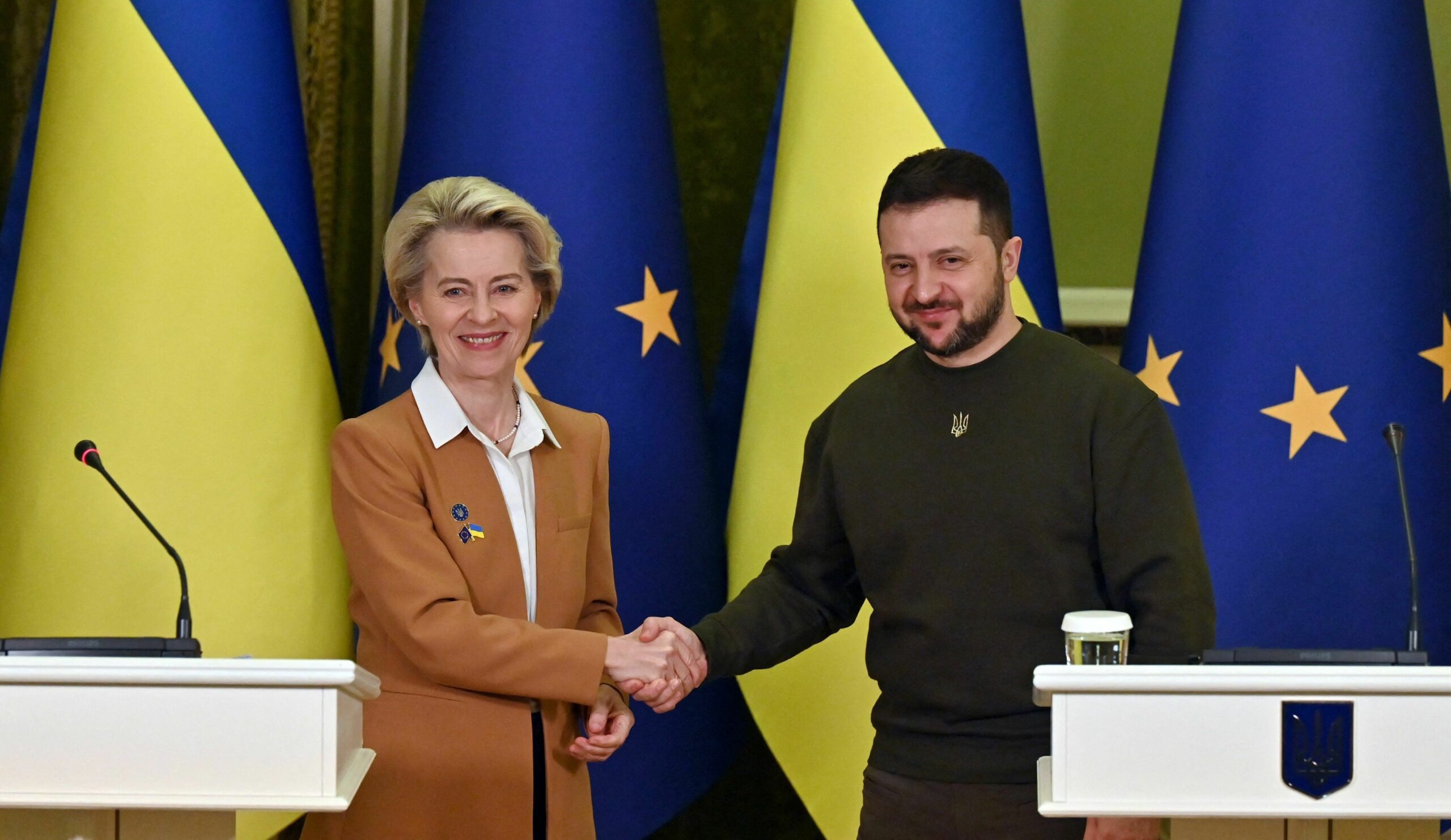
The European Union has taken a decisive step in its ongoing support for Ukraine amid the protracted war with Russia. On February 4, 2026, the Council of the European Union formally agreed on the legal framework for a landmark €90 billion loan (approximately $106 billion) to Ukraine, covering the years 2026 and 2027. This package, officially known as the Ukraine Support Loan, represents one of the largest single financial commitments from the EU to a non-member state in recent history. It is designed to prevent a catastrophic funding shortfall that could cripple Kyiv’s ability to sustain its economy, public services, and defense efforts during this critical phase of the conflict.
Background: From December Summit to February Agreement
The initiative originated at the European Council summit in December 2025, where EU leaders grappled with internal divisions over the use of frozen Russian assets (estimated at €210-300 billion). Rather than pursuing a contentious direct seizure, they opted for a joint borrowing mechanism. This approach involves the EU issuing common debt on international capital markets, backed by the “headroom” in the EU budget—essentially leveraging the bloc’s unused borrowing capacity to secure low interest rates for investors.
The European Commission presented the detailed legislative proposal on January 14, 2026, outlining the structure and urging swift approval to enable the first disbursements starting in early April 2026—the point when Ukraine risks running out of funds without new inflows. After intensive consultations and negotiations, EU ambassadors reached consensus on February 4, clearing the path for final endorsement, including rapid approval by the European Parliament.
The package advanced via “enhanced cooperation,” with 24 of the 27 member states participating. Czech Republic, Hungary, and Slovakia opted out, highlighting persistent internal divergences on the scale and form of support for Ukraine.
Breakdown of the €90 Billion Package
The loan is structured into two main pillars to address Ukraine’s most pressing dual needs:
- €30 billion in macroeconomic and budgetary support — This segment will help finance essential government operations, including salaries for teachers, doctors, and civil servants; pension payments; healthcare services; education; and basic infrastructure maintenance. Funds will flow primarily through established channels like the Ukraine Facility or macro-financial assistance programs. Disbursements are typically tied to progress on reforms in governance, anti-corruption, rule of law, and economic stabilization—aligning with Ukraine’s long-term EU accession aspirations.
- €60 billion in defense and military support — The larger portion prioritizes strengthening Ukraine’s military capabilities. It will fund investments in Ukraine’s domestic defense industry, procurement of ammunition, weapons systems, and equipment. A key compromise feature is the “Buy European” preference: Ukraine must prioritize purchases from Ukrainian producers or those in the EU (and EEA-EFTA countries such as Norway, Iceland, and Liechtenstein). Flexibility exists for third-country procurement (e.g., from the UK or US) when European alternatives are unavailable, too costly, or too slow.
This allocation reflects expert assessments: Ukraine’s total financing gap for 2026-2027 is estimated at €135-136 billion (€52-53 billion budgetary and €83 billion military, per IMF and Commission figures). The EU’s €90 billion covers roughly two-thirds, with expectations that partners like the US, UK, and other G7 nations will help close the remaining gap.

Why This Matters: Averting a Funding Cliff
After nearly four years of full-scale invasion, Ukraine’s economy faces severe strain: massive revenue shortfalls, reconstruction demands, and the enormous cost of maintaining a large army. Without reliable external financing, risks include delayed military payments, collapsed public services, and weakened frontline positions—potentially tipping the balance toward Russia.
The first tranche is slated for early April 2026 (Q2), precisely timed to avoid this “cliff.” Following parliamentary green lights, the Commission can proceed with market borrowing. Annual interest costs (estimated €3-4 billion) will be absorbed by the EU budget or related mechanisms, with Ukraine’s principal repayment stretched over decades for long-term sustainability.
Broader Implications and Reactions
This package marks the EU’s evolution toward viewing support for Ukraine as a core strategic investment in European security and stability. By emphasizing defense procurement with a European focus, it also aims to boost the bloc’s own defense industrial base—generating jobs, technological innovation, and greater self-reliance against future threats.
Ukrainian President Volodymyr Zelenskyy welcomed the decision, expressing gratitude to EU leaders and optimism for rapid implementation. Commission President Ursula von der Leyen described it as a move that brings Ukraine “closer to EU membership” through linked reforms.
Critics point to potential long-term strains on EU finances or questions of proportionality (especially from opting-out states). Geopolitically, it reaffirms Western unity despite aid fatigue and competing global crises.
In an era of intensified Russian aggression and uncertain transatlantic commitments, the €90 billion Ukraine Support Loan stands as a powerful declaration of Europe’s enduring solidarity. It provides vital time, bolsters defenses, and sustains hope—not merely for Ukraine’s survival, but for a Europe where aggression does not prevail.

