

Escalation in Ukraine: Russia Unleashes Massive Missile and Drone Barrage on Kyiv, Deploying Advanced Oreshnik Hypersonic Weapon
By: Juba Global News Network | JubaGlobal.com January 9, 2026 – In a brutal escalation of the ongoing war, Russian forces launched one of the largest combi
By: Juba Global News Network | JubaGlobal.com
January 9, 2026 – In a brutal escalation of the ongoing war, Russian forces launched one of the largest combined missile and drone attacks on Ukraine overnight into Friday, January 9, targeting the capital Kyiv and other regions with devastating force. The assault, which included the rare deployment of Russia’s advanced Oreshnik hypersonic intermediate-range ballistic missile (IRBM), killed at least four people in Kyiv and injured dozens more, amid freezing winter conditions that amplified the suffering.
Ukrainian authorities reported widespread damage to residential buildings, critical infrastructure, and civilian areas, marking a grim continuation of Russia’s campaign to cripple Ukraine’s energy grid and urban centers as the conflict enters its fourth year.
The Overnight Onslaught: Scale and Sophistication
The Ukrainian Air Force confirmed that Russia fired a staggering 36 missiles of various types—including ballistic, cruise, and the hypersonic Oreshnik—alongside 242 drones, primarily Iranian-designed Shahed models. This barrage represents one of the most intense attacks in recent months, overwhelming air defenses despite successful interceptions of many incoming threats.
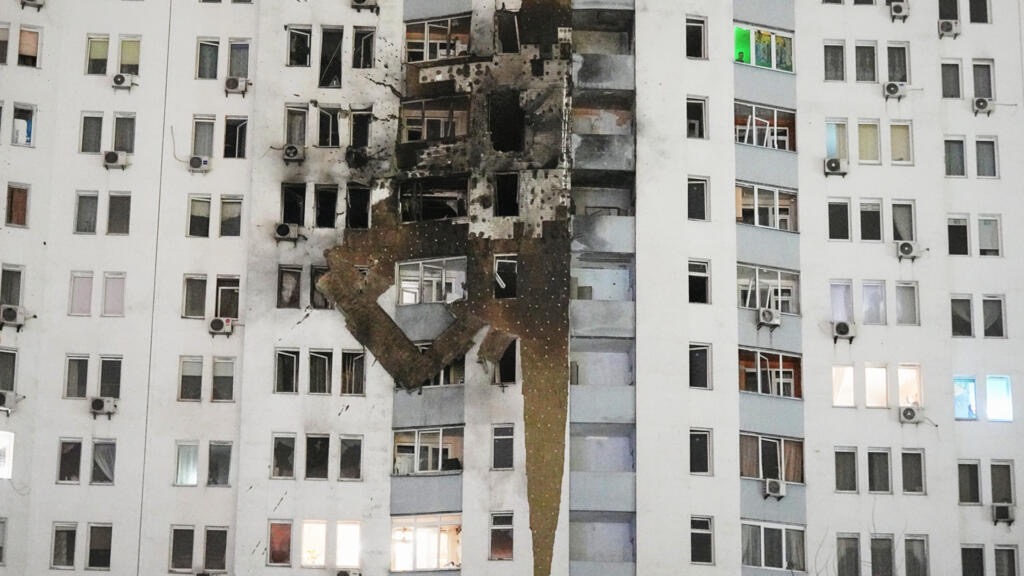
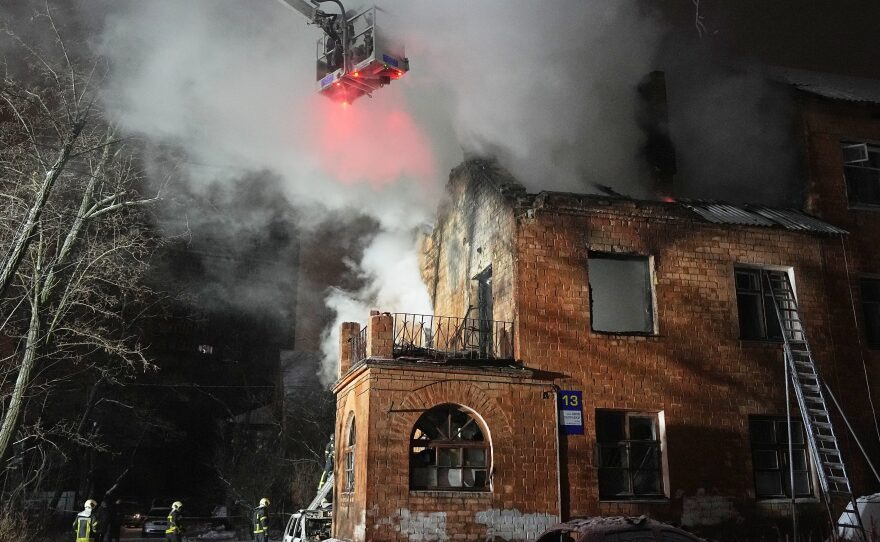
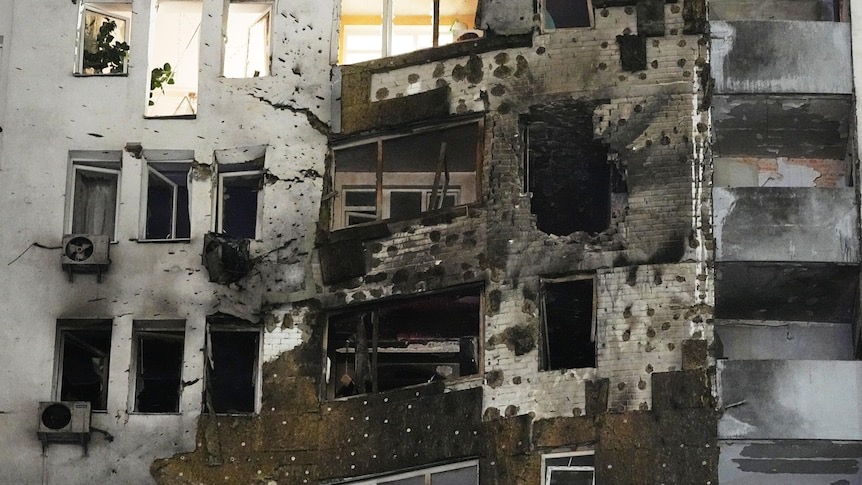
Explosions rocked Kyiv starting around midnight, with air raid sirens blaring for hours as waves of drones and missiles struck multiple districts. Kyiv Mayor Vitali Klitschko reported fires in residential areas, disrupted electricity and water supplies, and urgent rescue operations. In the Desnyanskyi district, a drone crashed into the roof of a multi-story apartment building, igniting blazes that engulfed lower floors.
The Oreshnik missile, touted by Russian President Vladimir Putin as traveling at speeds up to Mach 10 and capable of carrying multiple warheads (conventional or nuclear), was fired toward western Ukraine, reportedly targeting critical infrastructure in the Lviv region. Russian Defense Ministry statements claimed the strike hit “strategic targets” supporting Ukraine’s military-industrial complex, including energy facilities. This marks only the second combat use of the Oreshnik since its debut in late 2024, underscoring Moscow’s willingness to escalate with cutting-edge weaponry.
Human Toll: Deaths, Injuries, and a “Double-Tap” Strike
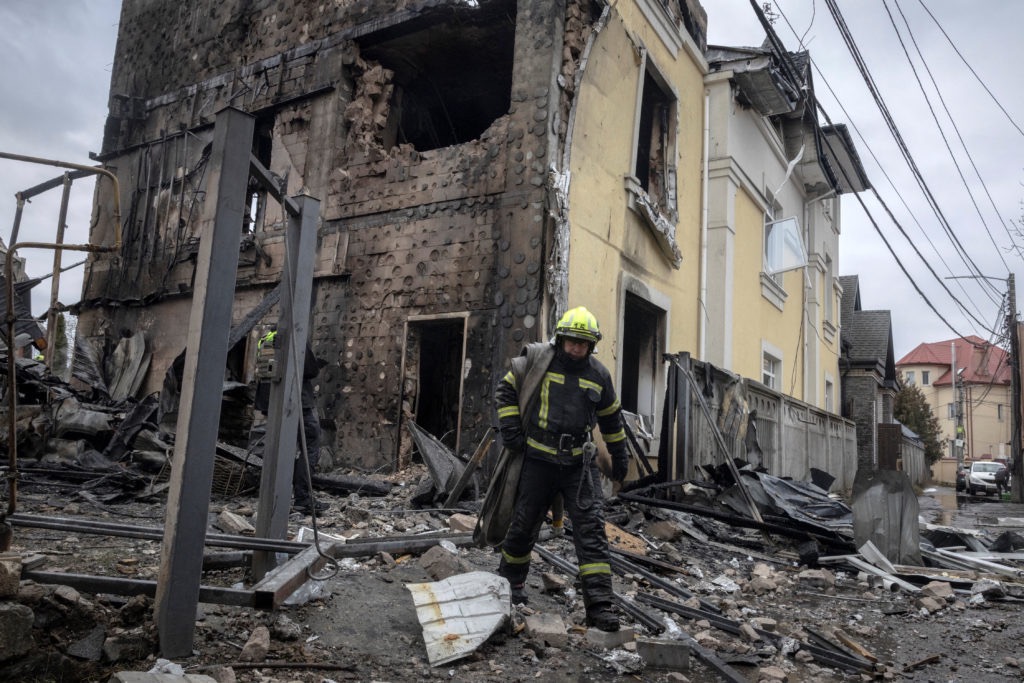
In Kyiv, the death toll stood at four, with at least 19-22 injured, according to varying reports from officials and President Volodymyr Zelenskyy. Among the victims was a paramedic killed in what Ukrainian sources described as a “double-tap” attack—where a second strike targets first responders arriving at the scene. Residential buildings bore the brunt, with fires raging through apartments and garages, forcing evacuations in sub-zero temperatures.
Zelenskyy condemned the assault on social media, stating it involved “nearly 250 drones and dozens of missiles,” and highlighted the inclusion of the Oreshnik as a deliberate show of force. He urged international partners to bolster Ukraine’s air defenses, emphasizing the need to counter Russia’s winter strategy of targeting power and heating infrastructure.
Beyond Kyiv, strikes hit Lviv’s critical facilities, with the high-speed ballistic missile causing significant concern due to its near-uninterceptable trajectory. Power outages affected hundreds of thousands, exacerbating the humanitarian crisis as temperatures plunged.
Moscow’s Justification: Retaliation and Messaging
The Russian Ministry of Defense framed the massive strike as retaliation for an alleged Ukrainian drone attack on a residence used by President Putin—claims dismissed by Kyiv, Washington, and independent assessments as unfounded. Moscow asserted that all targets were military-related, including drone production sites and energy nodes supporting Ukraine’s defense industry.
Military analysts note the timing: The attack followed U.S. seizure of a Russian-flagged oil tanker and amid stalled peace talks. Deploying the Oreshnik sends a clear signal to Ukraine and its Western backers, demonstrating Russia’s advanced capabilities while testing defenses against hypersonic threats.
Broader Context: A War of Attrition in Winter
Russia has intensified strikes on Ukraine’s energy sector throughout late 2025 and into 2026, aiming to degrade power generation and leave millions in cold and darkness. Ukrainian officials report that available generating capacity has plummeted, with blackouts lasting days in some areas.
In response, Ukraine continues long-range drone operations against Russian targets, though Kyiv denies involvement in high-profile incidents like the purported Putin residence strike. International reactions poured in, with calls for increased aid, including more Patriot systems capable of countering ballistic missiles.
As rescue efforts continue in Kyiv’s rubble-strewn streets, the attack underscores the war’s unrelenting brutality. With no immediate ceasefire in sight, civilians bear the heaviest burden in this protracted conflict.
By: Juba Global News Network | JubaGlobal.com
