Drone Attack Hits US Embassy in Riyadh; Saudi Defenses Respond
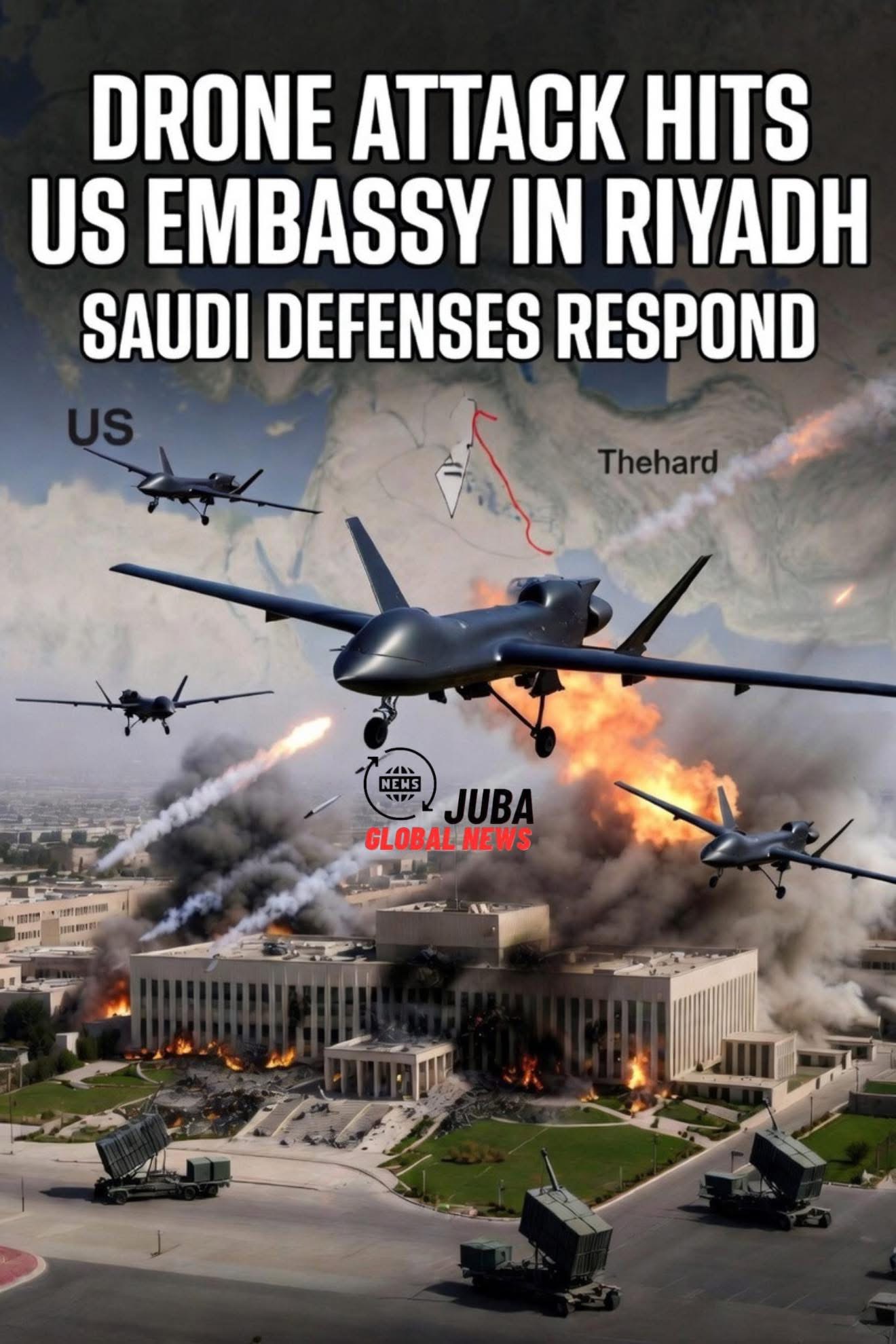
A suspected Iranian drone strike targeted the United States Embassy in Riyadh, Saudi Arabia’s capital, early on March 3, 2026, marking a bold escalation in Iran’s retaliatory campaign against US allies amid the ongoing US-Israel-Iran conflict. The attack, which occurred in the early morning hours, caused a limited fire and minor material damage to the embassy compound but resulted in no reported injuries or fatalities, according to Saudi officials and US diplomatic statements.
Details of the Incident
The Saudi Ministry of Defense confirmed that two drones struck the US Embassy compound in Riyadh’s Diplomatic Quarter, triggering a small fire that was quickly contained. Saudi air defenses reportedly intercepted additional incoming threats, with the ministry later announcing the destruction of eight more drones near Riyadh and the nearby city of Al-Kharj. Witnesses described hearing loud explosions followed by rising smoke over the diplomatic area, home to numerous foreign missions and residences.
The US Embassy in Riyadh issued an immediate security alert, canceling all consular appointments, closing the facility, and ordering a shelter-in-place directive for Americans in Riyadh, Jeddah, and Dhahran. The embassy’s official X account posted: “Shelter in place immediately. Do not approach the embassy.” The US State Department has urged all American citizens in the region to “DEPART NOW” via commercial means where possible, amid widespread airspace closures and airport disruptions.
Saudi Arabia condemned the incident in the strongest terms, labeling it a “cowardly and unjustified attack” that violated international law protecting diplomatic premises during armed conflict. A Saudi official emphasized that no personnel were harmed, and initial assessments pointed to “minor material damage” to the building.
Context Within Iran’s Retaliatory Wave
The Riyadh strike forms part of a broader Iranian response to Operation Epic Fury, the joint US-Israeli military campaign launched on February 28 that targeted Iranian leadership—including the killing of Supreme Leader Ali Khamenei—nuclear facilities, missile sites, IRGC bases, and naval assets. Iran has launched hundreds of ballistic missiles and drones at Israel and US-linked targets across the Gulf, including:
- Similar drone attacks on US facilities in Kuwait (causing fire and smoke at the embassy compound there)
- Strikes on energy infrastructure and military sites in Qatar, UAE, Bahrain, Oman, and Iraq
- Attacks on Oman’s Duqm commercial port (hitting a fuel tank) and US bases in Bahrain
These operations aim to pressure Gulf states hosting American troops and assets while demonstrating Tehran’s reach despite heavy losses to its own forces.
US and Regional Reactions
The incident prompted swift US actions: non-emergency personnel and families were ordered to evacuate from embassies in Kuwait, Bahrain, Iraq, Qatar, Jordan, and the UAE. The State Department expanded urgent departure advisories to cover over a dozen Middle Eastern countries, citing the “continuing threat of missile and UAV attacks.”
President Donald Trump, who has described the campaign against Iran as potentially lasting “four to five weeks” or longer, has not yet issued a direct public comment on the Riyadh attack but previously vowed “harder hits” in response to Iranian aggression. US military officials confirmed no US casualties from the embassy strike, though overall losses in the conflict stand at six service members.
Saudi Arabia, a key US ally and major oil producer, has bolstered defenses across the kingdom while coordinating closely with Washington. The attack underscores vulnerabilities in even heavily fortified diplomatic sites, which are designed primarily against ground-based threats rather than aerial drones.
Broader Implications
This strike on sovereign diplomatic territory in a major Gulf capital heightens fears of a widening regional war. With the Strait of Hormuz effectively closed due to Iranian threats, oil prices surging, and airspace largely shut down, the economic and security ripple effects are intensifying.
As explosions continue in Tehran, Beirut, and Gulf locations, the Riyadh drone incident serves as a stark reminder of how quickly the conflict has spread beyond Iran and Israel, drawing in US allies and risking direct confrontation between Iranian forces and American interests.
The coming hours may see intensified US-Saudi responses, potential additional intercepts, or further Iranian salvos as both sides test limits in this rapidly evolving crisis.
By Joseph for Juba Global News Network | JubaGlobal.com
March 3, 2026 – Real-time updates and live coverage available at JubaGlobal.com. Stay informed as developments unfold.