

Devastating Floods and Landslides Strike Southern Ethiopia: Death Toll Climbs Amid Rescue Efforts
The catastrophic floods and landslides that struck southern Ethiopia in March 2026 represent one of the deadliest natural disasters to hit the Horn of Afri
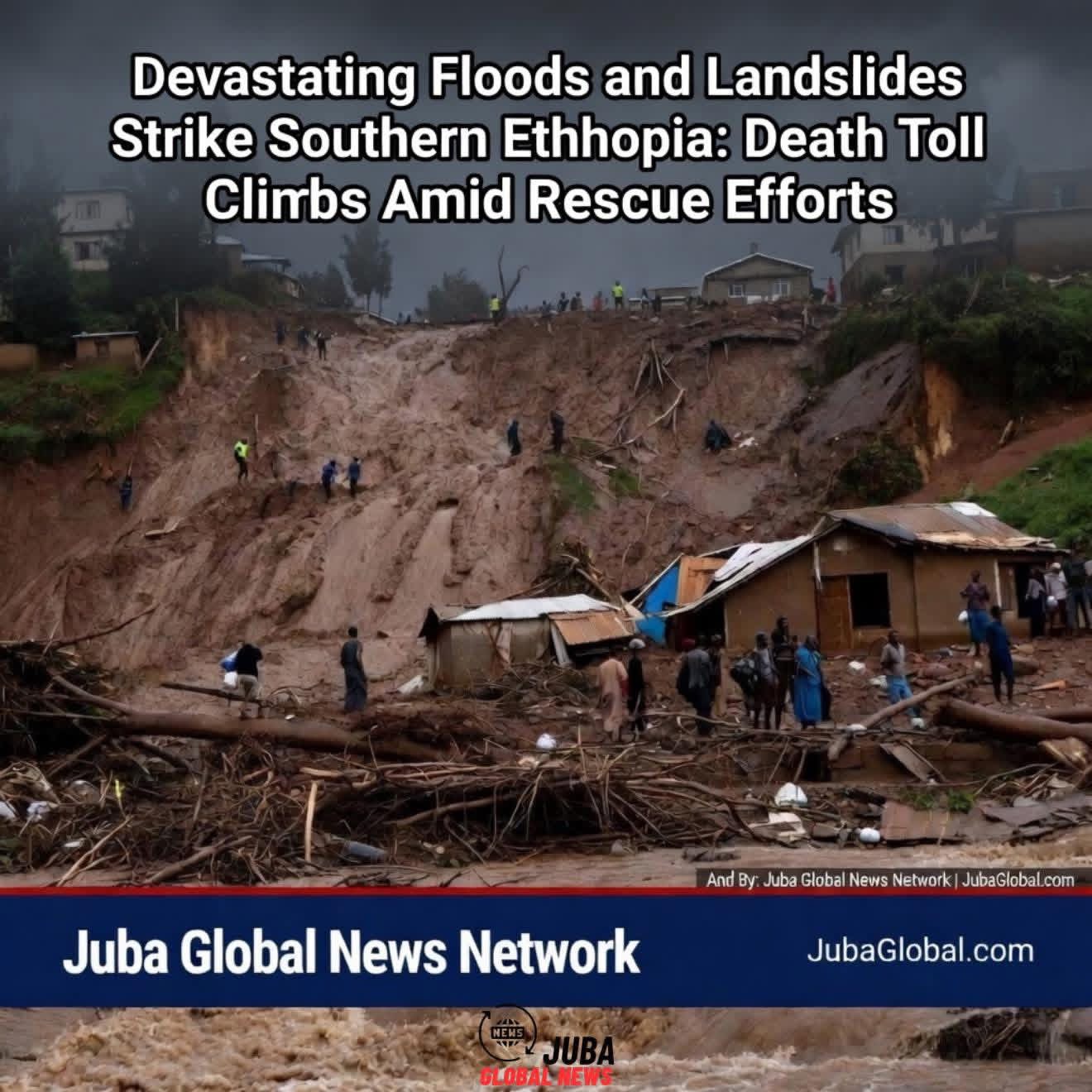
The catastrophic floods and landslides that struck southern Ethiopia in March 2026 represent one of the deadliest natural disasters to hit the Horn of Africa in recent years. Triggered by prolonged and unusually intense rainfall, the event devastated communities in the Gamo Zone of the South Ethiopia Regional State, claiming dozens of lives, leaving many missing, and displacing thousands. As rescue operations continue amid challenging terrain and ongoing weather threats, this tragedy underscores Ethiopia’s growing vulnerability to extreme weather events linked to climate change.
The Onset of the Disaster
The crisis began in early March 2026, with heavy, unseasonal rains pounding the highland areas of the Gamo Zone starting around March 9. These downpours continued relentlessly through March 11, saturating already fragile slopes in districts including Gacho Baba, Kamba, and Bonke. The Gamo Zone, characterized by steep, mountainous terrain and densely populated rural villages, proved particularly susceptible. Waterlogged soil lost its cohesion, triggering massive landslides that buried homes, roads, and entire neighborhoods under tons of mud and debris. Flash floods compounded the destruction, sweeping away bridges, crops, and livestock in lower-lying areas.
Local authorities initially reported the disaster on March 11, with the death toll standing at around 30. The Gamo Zone administration described it as resulting from “continuous and unseasonal rains” affecting multiple kebeles (sub-districts) across three woredas (districts). Specific incidents included flash flooding in Balta town in Kamba Zuria Woreda, where fatalities occurred, and landslides in Mazo Doysa Kebele of Gacho Baba Woreda.
As search and rescue teams—comprising local police, military personnel, community volunteers, and aid organizations—dug through the mud, the numbers rose rapidly. By March 12, reports showed the toll climbing: South Ethiopia Regional State Police Commission stated 64 bodies recovered and 128 missing. Other officials, including Gamo Zone disaster response director Mesfin Manuqa, cited figures around 50 confirmed deaths with 125 missing, noting one survivor pulled alive from the debris.
Later updates on the same day pushed estimates higher. The Gamo Zone communications office reported at least 102 believed dead, with recovery teams retrieving 52 bodies so far. Some sources, including regional statements and media like Addis Standard, indicated the toll reaching 107 as efforts continued.
Human Toll and Immediate Aftermath
The human cost has been profound. Families have been torn apart, with entire households buried alive while sleeping or tending to daily tasks. Survivors described terrifying moments as the ground shook and roared before walls of mud descended without warning. Rescue operations have been hampered by destroyed infrastructure, remote locations, and the sheer volume of debris—many victims were found buried deep under layers of earth.
The disaster has displaced thousands, forcing survivors into temporary shelters or with relatives in less affected areas. Crops ready for harvest were ruined, exacerbating food insecurity in a region already grappling with poverty and previous climate shocks. Livestock losses have devastated livelihoods for pastoral and farming communities. The psychological impact is immense, with grief compounded by uncertainty over missing loved ones.
This event echoes previous tragedies in southern Ethiopia. Just in July 2024, a massive mudslide in the nearby Geze Gofa Zone killed over 229 people—the country’s deadliest landslide on record at the time. The recurrence highlights a pattern: heavy rains during Ethiopia’s belg (short rainy season) or off-season deluges increasingly trigger such events in deforested, overcultivated highlands.
Broader Context: Climate Change and Vulnerability
Experts link this disaster to intensifying climate patterns. Ethiopia experiences bimodal rainfall, but climate change has made precipitation more erratic and extreme. Warmer atmospheric temperatures allow more moisture retention, leading to heavier downpours. Deforestation for agriculture and fuelwood has stripped hillsides of stabilizing vegetation, while population growth pushes settlements onto riskier slopes.
The Horn of Africa has faced repeated climate extremes in recent years, including severe droughts followed by intense wet periods—a “climate whiplash” effect. The March 2026 floods and landslides form part of wider East African flooding trends.
Ethiopia’s government has declared mourning, mobilized resources, and urged residents in vulnerable zones to relocate temporarily and heed weather alerts. Humanitarian organizations are providing aid, including food, water, medical supplies, and temporary housing. Challenges remain: limited early-warning systems in rural areas, inadequate infrastructure for rapid response, and funding constraints amid competing national priorities.
Looking Ahead: Response and Prevention
As of March 12, 2026, search efforts continue, with hopes fading for finding more survivors amid the rising toll. Long-term prevention requires investment in reforestation, terracing, improved drainage, and community-based early-warning networks. International support for climate adaptation—through funds like the Green Climate Fund—could help, but Ethiopia’s leaders emphasize the need for global emission reductions to curb future extremes.
This March 2026 disaster in the Gamo Zone is a stark reminder of nature’s power and humanity’s fragility in the face of changing climates. As Ethiopia mourns its losses, the focus must shift toward resilience-building to prevent such heartbreak from recurring with even greater frequency.
