

Deadly Explosions in Lviv: Ukraine Investigates ‘Terrorist Attack’ That Killed Young Police Officer and Wounded Dozens
In the early morning hours of Sunday, February 22, 2026, the historic western Ukrainian city of Lviv was shaken by a series of powerful explosions that aut
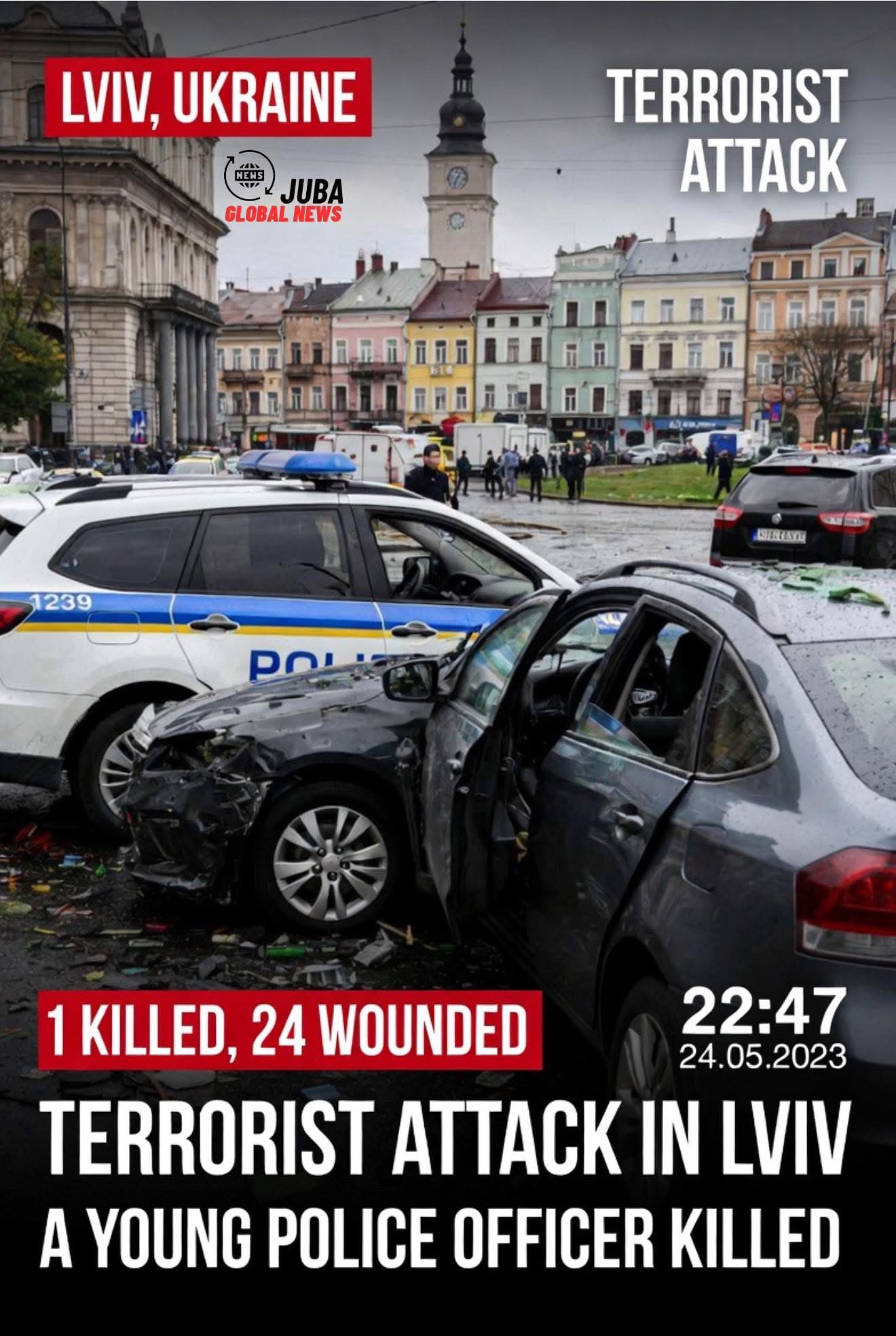
In the early morning hours of Sunday, February 22, 2026, the historic western Ukrainian city of Lviv was shaken by a series of powerful explosions that authorities have swiftly classified as a terrorist act. The blasts, which occurred in the city center near the Magnus shopping center on Danylyshyna Street, claimed the life of a 23-year-old police officer and injured at least 24 others, including several fellow officers and civilians. The incident marks a rare and shocking act of ground-level violence in a city that has largely been spared the intense frontline devastation seen elsewhere in Ukraine amid Russia’s ongoing full-scale invasion.
The Sequence of Events: A Coordinated Ambush
According to Ukraine’s National Police and the Lviv Regional Prosecutor’s Office, the attack unfolded around 00:30–00:46 local time. Emergency services received a report of a suspected break-in at a store in the bustling downtown area. A patrol crew was dispatched to the scene near the city center.
As the first officers arrived, the initial explosion detonated—likely an improvised explosive device (IED) placed strategically to target responders. Moments later, a second blast struck as additional police and possibly bystanders gathered, a tactic reminiscent of “double-tap” attacks designed to maximize casualties among first responders.
Ukrainian officials described the devices as homemade explosive devices. The blasts damaged a patrol car, a civilian vehicle, and nearby structures, sending shockwaves through the normally quiet nighttime streets of Lviv’s historic district.
The victim killed was identified as Viktoriia Shpylka, a 23-year-old patrol officer who had graduated from Lviv State University of Internal Affairs. She previously served in Kherson Oblast before transferring to Lviv in 2023. Colleagues remembered her as “sensitive, bright, and sincere.” She had married another patrol officer just last autumn. Her death has deeply affected the local police community.
Injuries ranged from serious to moderate, with reports indicating at least 11 people hospitalized initially, including six law enforcement officers in critical condition. The total wounded rose to 24–25 across various updates from police, the Interior Ministry, and local authorities.
Official Response and Investigation
Lviv Mayor Andriy Sadovyi was among the first to publicly label the incident: “This is definitely an act of terror,” he wrote on Facebook, extending condolences to the victim’s family and noting that 15 people were receiving medical aid, some in very serious condition.
Ukraine’s Interior Minister Ihor Klymenko confirmed during a briefing that a female suspect had been detained within hours in a town in Lviv Oblast. Authorities are searching for possible accomplices, and the investigation is ongoing under articles related to terrorist acts causing serious consequences.
President Volodymyr Zelenskyy addressed the incident on X (formerly Twitter), noting the detention of a suspect without providing further details at the time. The Security Service of Ukraine (SBU), National Police, and prosecutors are jointly probing the case, with some officials, including Minister Klymenko, suggesting possible Russian involvement or sabotage by agents acting on behalf of the aggressor state. He described the attack as a “challenge to civilized society,” emphasizing that Russia wages war not only on the front lines but through covert operations deep inside Ukraine.
The regional prosecutor’s office opened proceedings under Ukraine’s criminal code for a terrorist act, highlighting the deliberate targeting of law enforcement.
Context in a City Far from the Front Lines
Lviv, located near the Polish border and far from active combat zones in eastern and southern Ukraine, has served as a relative safe haven during much of the war. It has hosted displaced persons, international aid operations, and cultural events, while enduring occasional Russian missile and drone strikes on energy infrastructure. However, deadly explosions in the city center involving ground-placed bombs remain exceptionally rare since Russia’s full-scale invasion began in February 2022.
This incident comes amid a broader wave of Russian attacks on Ukrainian cities, including recent missile barrages on Kyiv and continued drone assaults nationwide. It also coincides with heightened internal security concerns, including sabotage risks, as Ukraine grapples with mobilization efforts, economic strain, and the fourth year of war.
The attack raises questions about internal vulnerabilities, potential hybrid warfare tactics, and the challenges of safeguarding rear areas against asymmetric threats. While no group has claimed responsibility as of the latest reports, the classification as terrorism and the rapid detention point toward a deliberate act rather than an accident or unrelated criminality.
Broader Implications and Reactions
The tragedy has drawn condemnation from Ukrainian officials and renewed calls for international support in countering hybrid threats. It underscores the human cost of the conflict extending beyond battlefields, affecting everyday life and first responders even in western regions.
As investigations continue, Lviv residents and police forces mourn Viktoriia Shpylka and support the wounded. The city, known for its resilience, now faces the grim reality that no area is entirely immune to the war’s reach.
Authorities urge calm while promising a thorough probe. With a suspect in custody and accomplices sought, more details may emerge in the coming days about motives, planning, and any external links.
By: Juba Global News Network | JubaGlobal.com
Compiled from reports by Reuters, CNN, Ukrainska Pravda, Al Jazeera, United24 Media, Euromaidan Press, National Police of Ukraine, and official statements as of February 22, 2026.
