Daring Dawn Raid: How the US Captured Venezuelan President Nicolás Maduro
January 5, 2026 By Juba Global News Network | JubaGlobal.com In a stunning display of military precision and geopolitical audacity, United States special f
January 5, 2026
By Juba Global News Network | JubaGlobal.com
In a stunning display of military precision and geopolitical audacity, United States special forces executed a pre-dawn operation on January 3, 2026, capturing Venezuelan President Nicolás Maduro and his wife, Cilia Flores, from their fortified compound in Caracas. Codenamed “Operation Absolute Resolve,” the raid marked the most direct U.S. intervention in Latin America since the 1989 invasion of Panama, thrusting Venezuela into uncertainty and igniting fierce international debate.
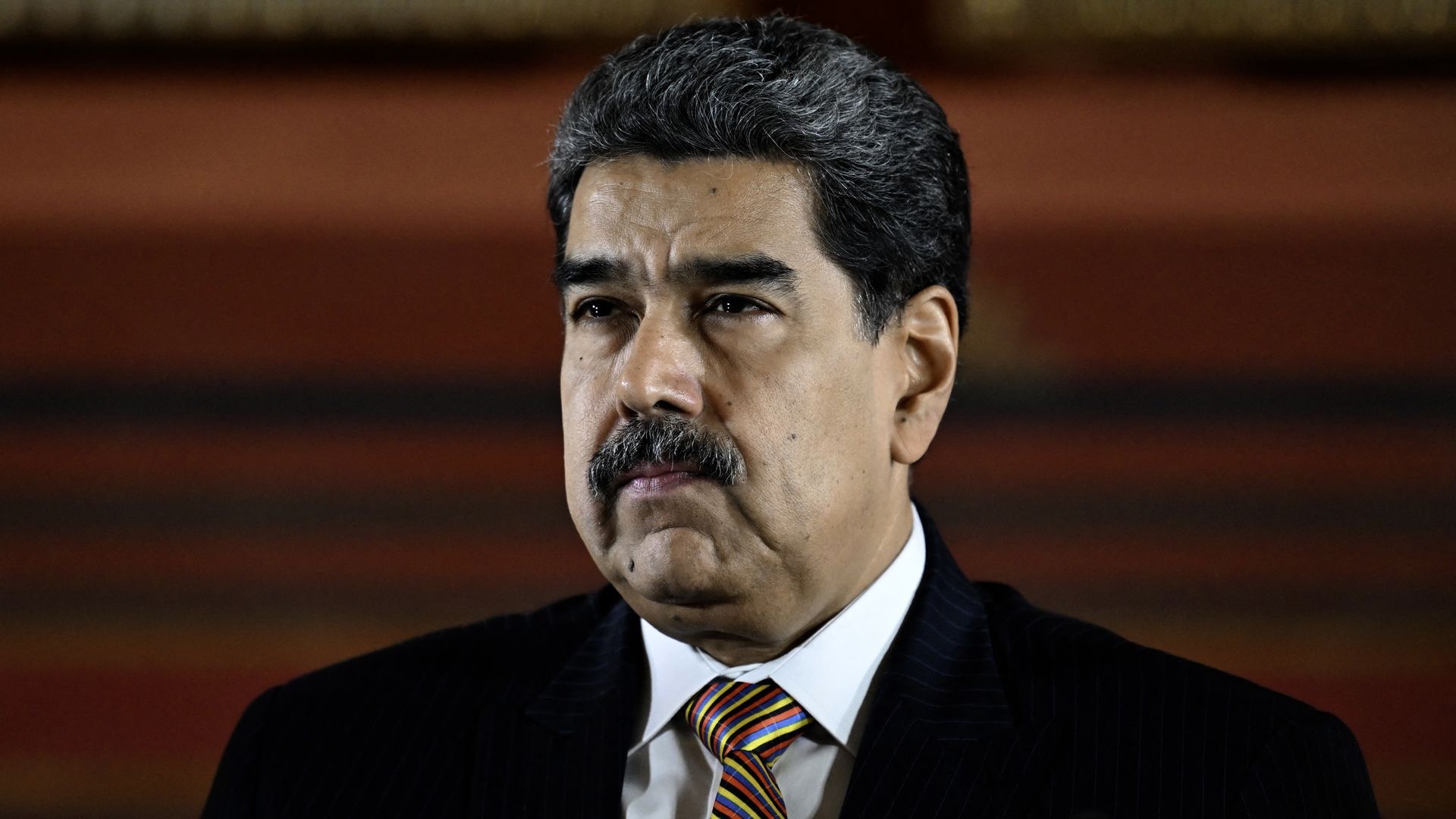
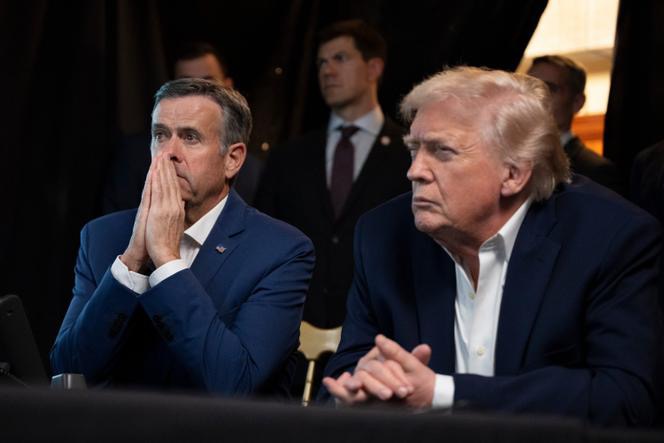
Nicolás Maduro, the longtime socialist leader accused by the U.S. of running a “narco-terrorist” regime, is now in federal custody in New York, awaiting a court appearance today on charges including narco-terrorism conspiracy, cocaine importation, and possession of machine guns. The operation, personally monitored by President Donald Trump from Mar-a-Lago, has been hailed by supporters as a triumph against tyranny but condemned by critics as a violation of international law.
The Raid: A Timeline of Precision and Power
The operation unfolded with breathtaking speed. Months in the making, it involved meticulous planning by U.S. intelligence agencies, including a clandestine CIA team tracking Maduro’s movements since August 2025. Special forces rehearsed using mock-ups of his compound, and assets were positioned across the Western Hemisphere by early December.
President Trump gave the final go-ahead at 10:46 p.m. ET on January 2. Over 150 aircraft—from fighter jets to helicopters—launched from 20 bases, suppressing Venezuelan air defenses through airstrikes and cyber operations that plunged parts of Caracas into darkness.
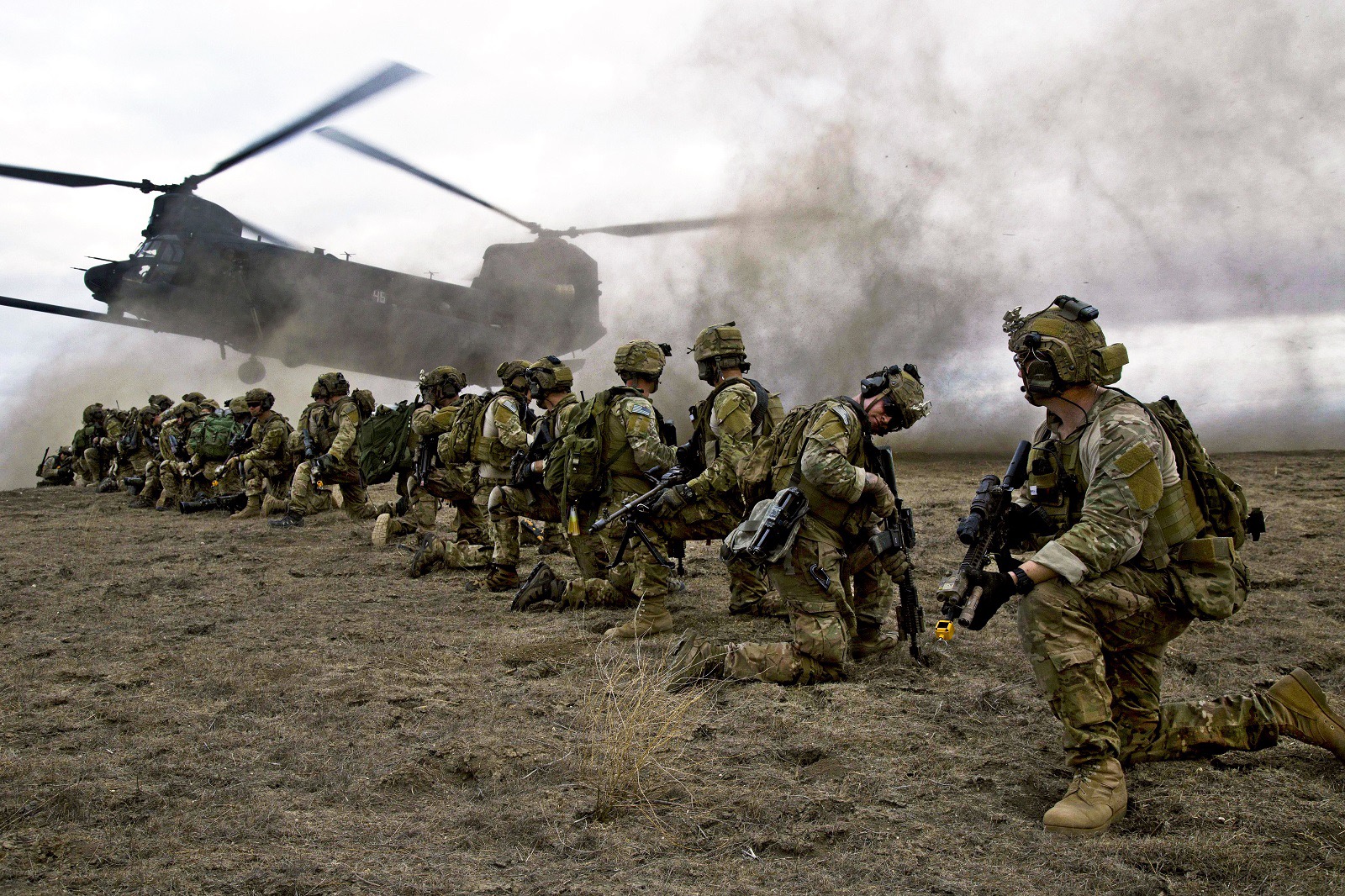
At 2:01 a.m. local time (1:01 a.m. ET), elite Delta Force operators, supported by DEA agents and flown in by the Army’s 160th Special Operations Aviation Regiment (Night Stalkers), descended on Fuerte Tiuna, Venezuela’s largest military complex housing Maduro’s residence. Helicopters came under fire—one was hit but remained operational—and U.S. forces returned defensive fire.
Inside the heavily fortified building, Maduro and Flores attempted to flee to a steel-reinforced safe room but were apprehended before securing the door. By 4:29 a.m. local time, the extraction team was “over the water,” with the couple aboard helicopters en route to the USS Iwo Jima, an amphibious assault ship in the Caribbean.
Trump announced the success on Truth Social, posting a photo of a blindfolded Maduro in gray sweatpants aboard the ship. The couple arrived at Stewart Air National Guard Base in New York later that day, transferred to the Metropolitan Detention Center in Brooklyn.
No U.S. personnel were killed, though some reports mention minor injuries. Venezuelan officials reported dozens of deaths, including civilians and military personnel, amid explosions at sites like La Carlota air base and the Port of La Guaira.
Background: From Chávez Heir to Indicted Leader
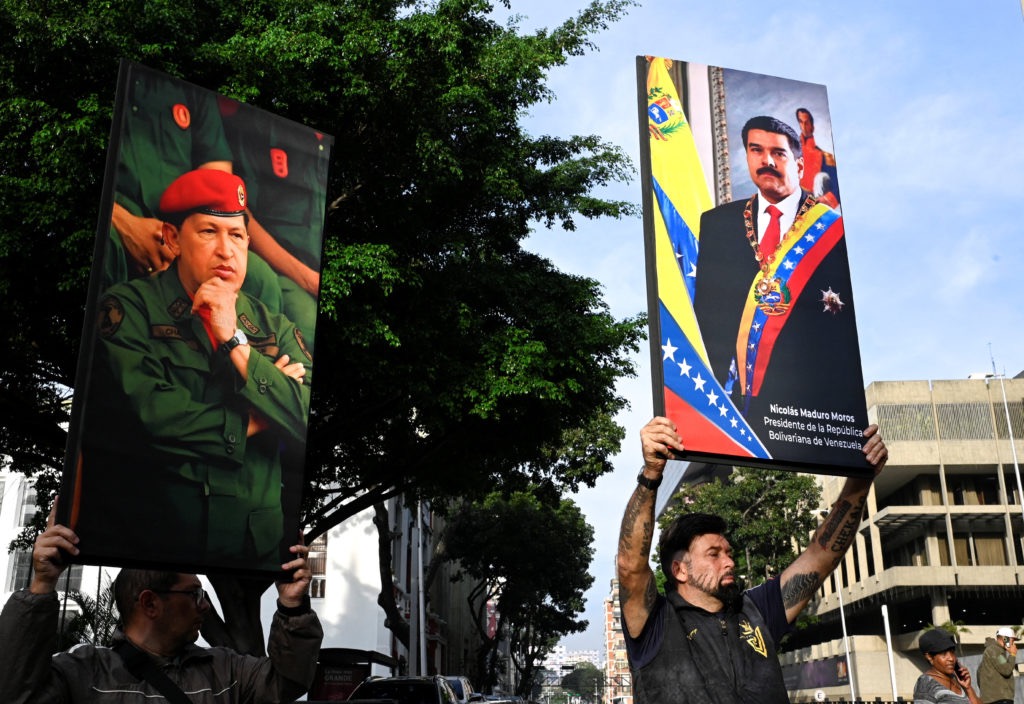
Maduro, a former bus driver and union leader, rose to power as Hugo Chávez’s handpicked successor in 2013. His rule saw Venezuela’s oil-rich economy collapse into hyperinflation and shortages, triggering a mass exodus of millions. The U.S. has long accused him of rigging elections—most recently the disputed 2024 vote—and ties to drug trafficking, with a $15 million bounty on his head since 2020.
The Trump administration intensified pressure in late 2025, blockading oil tankers and threatening action. A November phone call from Trump to Maduro reportedly served as an “ultimatum” to step down, which was rejected.
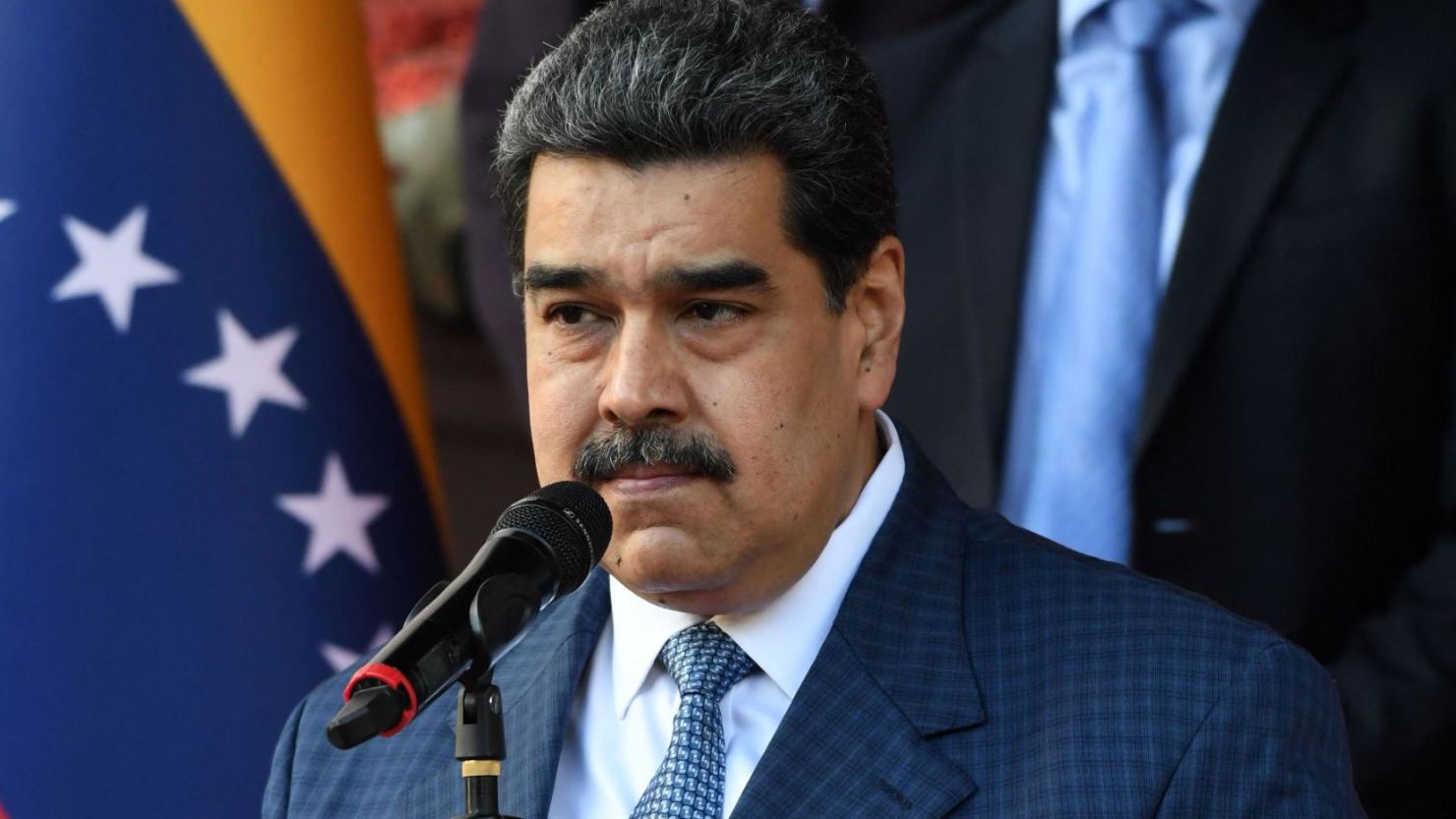
Aftermath in Venezuela: Power Vacuum and Celebrations
With Maduro removed, Vice President Delcy Rodríguez assumed interim leadership, as recognized by Venezuela’s Supreme Court. She demanded “proof of life” initially but has since softened rhetoric, offering dialogue while forming a commission for the couple’s release.
Streets in Caracas saw mixed reactions: empty roads amid a state of emergency, but celebrations erupted among opposition supporters and the Venezuelan diaspora in cities like Miami, Madrid, and Bogotá. Pro-Maduro demonstrations occurred in some areas, but loyalty from the military appears fractured.
Trump declared the U.S. “in charge” temporarily, vowing to reclaim oil interests and warning Rodríguez to comply or face consequences. Secretary of State Marco Rubio clarified no occupation is planned but a “military quarantine” on oil persists to force reforms.
Global Reaction: Condemnation and Debate
The UN Security Council convened an emergency session, with China, Russia, and others decrying the raid as illegal and a “dangerous precedent.” Allies expressed unease, while some Latin American nations remained silent or supportive privately. 14 “LARGE”
Markets reacted mildly: the dollar rallied, oil dipped initially, and gold rose as a safe haven. Analysts note potential for broader instability if the U.S. pursues similar actions elsewhere.
What’s Next?
Maduro’s court appearance today could see defenses invoking head-of-state immunity—a principle likely to be contested. Long-term, Venezuela faces transition risks, with U.S. influence looming large.
This operation underscores a bold shift in U.S. foreign policy under Trump: prioritizing direct action against perceived threats in the Americas. As the world watches Maduro’s fate, the raid’s legacy may redefine international norms for years to come.