Australia Gripped by Intense Heatwave: Millions Brace for Scorching Temperatures Across Multiple States
By: Juba Global News Network | JubaGlobal.com January 4, 2026 – As Australia ushers in the new year, a relentless heatwave is sweeping across vast swathes

By: Juba Global News Network | JubaGlobal.com
January 4, 2026 – As Australia ushers in the new year, a relentless heatwave is sweeping across vast swathes of the country, pushing temperatures into dangerous territory and prompting widespread warnings from meteorological authorities. The Bureau of Meteorology (BoM) has issued severe heatwave alerts for regions spanning New South Wales (NSW), Victoria, South Australia (SA), Western Australia (WA), Tasmania, and the Australian Capital Territory (ACT), with forecasts indicating peaks exceeding 40°C in many areas through mid-week. This extreme weather event, characterized by prolonged high temperatures and minimal overnight relief, poses significant risks to public health, wildlife, agriculture, and infrastructure, underscoring the growing challenges of climate variability in the region.
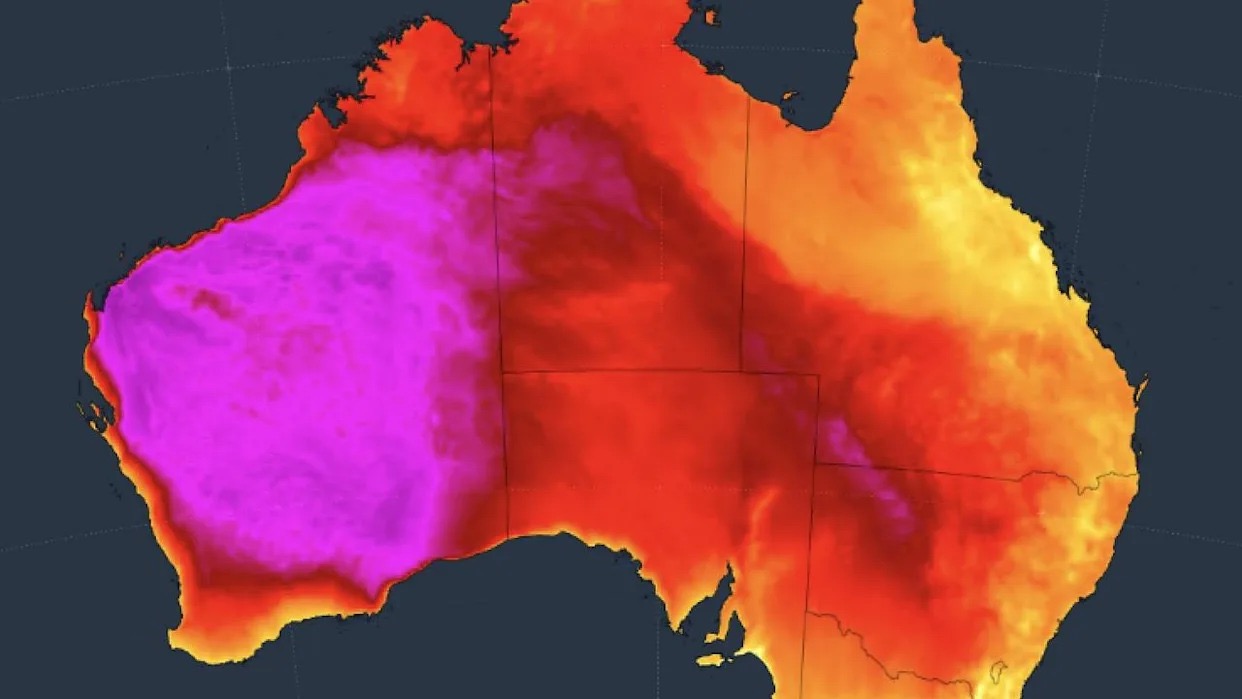
The heatwave, which began building in Western Australia over the festive period, has now intensified and expanded eastward, enveloping multiple states in a blanket of sweltering conditions. In northwest WA, temperatures are expected to climb into the high 40s, with some models suggesting isolated spots could approach 48°C – conditions described by experts as “brutal” and potentially record-breaking for early January. This hot air mass, originating from the arid interior, is forecast to linger, exacerbating fire dangers and straining energy grids as air conditioning usage surges.
The Scope and Severity of the Heatwave
The BoM’s warnings highlight a multi-day event, with severe to extreme heatwave conditions likely across much of SA, NSW, Victoria, and northern and eastern Tasmania. Starting today, January 4, millions of residents in affected areas will experience daytime highs well above average. For instance:
- Western Australia: The Pilbara, Gascoyne, Goldfields, Eucla, North Interior, South Interior, and Central Wheat Belt districts are under severe heatwave warnings. Maximum temperatures are ranging from the mid-30s in the southeast to the mid-40s in the northwest, with overnight lows in the high teens to mid-20s – offering little respite. Locations like Kalgoorlie, Laverton, Leinster, Leonora, Meekatharra, Mount Magnet, and Wiluna are expected to be hardest hit. Perth and surrounding areas, which endured a scorching Christmas with temperatures pushing past 40°C, are set for another round of blistering heat.
- South Australia and Victoria: By Wednesday, the heat is projected to peak, with Adelaide and Melbourne both forecast to reach 41°C. The hot airmass will envelop large parts of these states, leading to sweltering conditions for urban populations. In SA, the heatwave is expected to bring maximums exceeding 40°C, heightening risks in inland and coastal areas alike.
- New South Wales: Sydney and much of NSW will see temperatures soar above 36°C in the coming days, with the heatwave intensifying mid-week. BoM forecasts indicate 40°C temperatures across the state, particularly in the interior, where dry conditions could fuel bushfires.
- Tasmania and the ACT: Even typically cooler regions are not spared. Parts of Tasmania are under severe heatwave warnings, with highs in the mid-30s to low 40s expected. The ACT, including Canberra, will face similar conditions, marking an unusual start to the year for these southern areas.
To visualize the extent of this weather event, heatwave maps from meteorological services show a vast red and orange swath covering much of the continent’s southern and western halves, indicating severe risk levels. These maps underscore how the heat is not isolated but part of a broader atmospheric pattern driven by a persistent high-pressure system trapping hot air over the landmass.
The duration of the heatwave is a major concern, with conditions expected to persist into next week. Models suggest the heat will continue building over the weekend, with minimal rainfall providing relief. In northern and eastern Australia, scattered thunderstorms may offer some respite, but these could turn severe, bringing hail, strong winds, and flash flooding – adding another layer of hazard to the mix.
Health and Human Impacts: A Growing Public Health Crisis
Heatwaves are Australia’s silent killers, responsible for more deaths than all other natural disasters combined. This current event is no exception, with authorities urging vigilance, especially for vulnerable groups such as the elderly, children, pregnant women, and those with pre-existing health conditions. The lack of overnight cooling – with minimums in the high 20s in some areas – prevents bodies from recovering, leading to heat exhaustion, heatstroke, and exacerbated cardiovascular issues.
Recent incidents highlight the real-world dangers. In Shellharbour Hospital in NSW, patients sweltered without air conditioning during a previous heat spell in December 2025, with repairs not expected until February. Such failures in infrastructure amplify risks, particularly in healthcare settings. Across the country, emergency services are on high alert, with ambulance calls for heat-related illnesses expected to spike.
Public health experts recommend staying hydrated, avoiding outdoor activities during peak heat hours (typically 11 a.m. to 3 p.m.), and using cooling centers if available. Guides on coping strategies emphasize the importance of community checks on isolated individuals. In urban areas like Melbourne and Sydney, where the urban heat island effect intensifies temperatures, residents are advised to draw curtains, use fans, and seek shaded areas.
The economic toll is also significant. Agriculture, already strained by recent droughts and floods, faces crop wilting and livestock stress. In Queensland, where parts are under heatwave warnings, small-scale farmers are reporting concerns over crop failures, potentially driving up food prices and contributing to inflation in the first quarter of 2026. Energy demands are surging, with blackouts a risk in overloaded grids, reminiscent of past heatwaves that cost billions in lost productivity.
Environmental and Wildlife Consequences: Ecosystems Under Strain
Beyond human impacts, Australia’s unique wildlife is bearing the brunt of this extreme heat. Heatwaves disrupt ecosystems, leading to mass die-offs among species ill-equipped to handle prolonged high temperatures. In previous events, such as the 2019 heatwave, millions of bats, fish, and birds perished, with rivers turning into deoxygenated death traps.
Current forecasts suggest similar risks. In arid regions like the Pilbara, native animals such as kangaroos and emus may struggle to find water, leading to dehydration and starvation. Koalas, already vulnerable due to habitat loss, face heightened threats as eucalyptus leaves – their primary food source – wilt in the heat. Conservationists warn that repeated heat events could push endangered species closer to extinction, compounding the effects of bushfires, which are more likely under these dry, hot conditions.
Bushfire risks are elevated across WA, SA, and NSW, with total fire bans in place. A recent tragedy in Western Australia, where a farmer assisting firefighters died after a tree fell on his car amid heatwave conditions, serves as a stark reminder of the dangers. The combination of high temperatures, low humidity, and gusty winds creates ideal conditions for rapid fire spread, threatening homes, farmlands, and national parks.
Marine environments are not immune. Coral bleaching events in the Great Barrier Reef could worsen if sea surface temperatures rise in tandem with air temperatures, though current monitoring shows the immediate focus is on terrestrial impacts.
Expert Insights and Climate Change Context
Meteorologists attribute this heatwave to a combination of natural variability and long-term climate trends. A lingering high-pressure system is blocking cooler southerly flows, allowing hot air from the interior to dominate. However, experts note that such events are becoming more frequent and intense due to global warming. Australia’s average temperatures have risen by about 1.5°C since 1910, with heatwaves lengthening by an average of three days since the 1950s.
Dr. Sarah Perkins-Kirkpatrick, a climate scientist at the University of New South Wales, explains: “What we’re seeing is not just a hot spell; it’s part of a pattern where extreme heat is the new normal. Climate models predict more events like this, with implications for everything from health policy to urban planning.”
Social media platforms are abuzz with warnings and personal accounts. Users are sharing tips and expressing concerns over fire risks.
Safety Measures and Future Outlook
Authorities are ramping up responses. The BoM advises monitoring their app for real-time updates, while state governments are activating heat health plans, including free public transport to cooling centers in some cities. Fire services are prepositioning resources, and wildlife rescue groups like WIRES are preparing for increased calls.
Looking ahead, a southerly change is tentatively forecast for late next weekend, potentially dropping temperatures by 15-20°C in southern states. However, until then, the heatwave’s grip remains firm. In the longer term, experts call for enhanced resilience measures: more green spaces in cities, improved building insulation, and accelerated transitions to renewable energy to mitigate climate drivers.
As Australia endures this early-year scorcher, it serves as a reminder of the urgent need for adaptation. For now, residents are urged to stay cool, stay informed, and look out for one another in these trying conditions.
Juba Global News Network provides comprehensive coverage of international events, focusing on environmental and societal impacts. Visit JubaGlobal.com for more updates.