

Alex Pretti Shooting: The Minneapolis Tragedy That Shook America’s Immigration Debate
The fatal shooting of Alex Pretti by federal agents in Minneapolis has emerged as one of the most explosive stories of early 2026, igniting nationwide outr
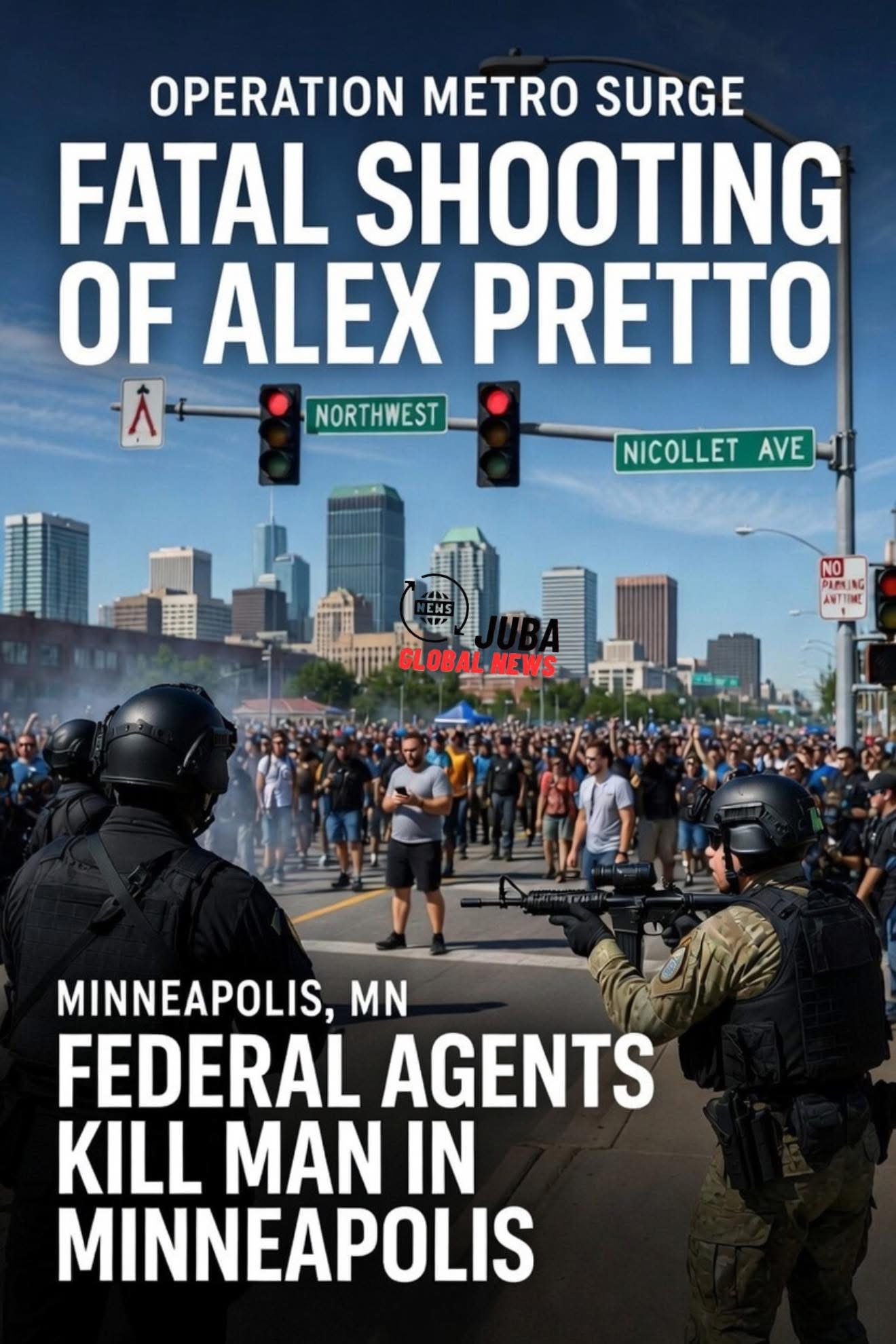
The fatal shooting of Alex Pretti by federal agents in Minneapolis has emerged as one of the most explosive stories of early 2026, igniting nationwide outrage, political crossfire, and fresh scrutiny of the Trump administration’s aggressive immigration enforcement tactics. On January 24, 2026, 37-year-old Alex Jeffrey Pretti, a U.S. citizen and intensive care nurse working for the Department of Veterans Affairs, was shot multiple times and killed during an immigration operation in south Minneapolis. The incident, captured on multiple bystander videos, has become a flashpoint in the ongoing national debate over federal power, civil liberties, and the human cost of mass deportation efforts.
Background: Operation Metro Surge and Rising Tensions
The killing occurred amid Operation Metro Surge, a large-scale immigration enforcement initiative launched by the Department of Homeland Security (DHS) in December 2025. Described by federal officials as “the largest immigration enforcement operation ever carried out,” it targeted the Twin Cities area—home to one of the largest Somali immigrant communities in the U.S.—and later expanded statewide. The operation followed high-profile convictions related to welfare fraud involving some Somali immigrants, providing political justification for the deployment of thousands of ICE, Customs and Border Protection (CBP), and Border Patrol agents.
By mid-January 2026, the operation had already drawn intense criticism for warrantless arrests, aggressive tactics, and clashes with protesters. Daily demonstrations filled Minneapolis streets, with residents using phones, whistles, and horns to document and disrupt raids, often acting as “First Amendment witnesses” to protect vulnerable community members. The January 7 shooting death of Renée Good, another 37-year-old U.S. citizen killed by an ICE agent during a traffic stop, had already heightened tensions. Pretti’s death marked the third shooting by federal agents in the city in less than three weeks, transforming local frustration into a national crisis.
The Incident: A Minute-by-Minute Breakdown
The encounter unfolded on Nicollet Avenue around 9 a.m. on January 24. Verified bystander videos, analyzed by outlets including ABC News, The New York Times, and Minnesota Public Radio, provide a detailed timeline that largely contradicts initial federal accounts.
- Pretti, who had previously joined protests against the Good killing, was filming federal agents detaining individuals nearby.
- He held his phone aloft to record, appearing to assist by directing traffic and helping ensure safe passage amid the chaos.
- Agents approached, pepper-sprayed him, and shoved him toward the sidewalk and into the street.
- A scuffle ensued as Pretti seemed to intervene when another observer (a woman) was pushed down.
- Multiple agents tackled Pretti to the ground. Within seconds, at least 10 shots were fired over about five seconds, striking him fatally.
- Witnesses and videos show Pretti’s hands empty or holding only his phone initially; no clear evidence emerged of him brandishing a weapon before being pinned.
- An agent later emerged from the group holding a handgun, which DHS identified as Pretti’s legally owned 9mm semi-automatic pistol (he had a valid Minnesota carry permit and no criminal record beyond minor traffic violations).
DHS and Border Patrol officials, led by commander Gregory Bovino, initially described Pretti as approaching agents armed and violently resisting, labeling him a threat who intended to “massacre law enforcement.” Senior Trump adviser Stephen Miller called him a “domestic terrorist” on social media. These claims were swiftly challenged by synchronized video evidence showing Pretti recording peacefully before escalation.
Immediate Aftermath and Public Reaction
Thousands gathered for candlelight vigils across the Twin Cities that night, with a GoFundMe for Pretti’s family surpassing $1 million within days. Makeshift memorials sprang up at the shooting site, adorned with photos, flowers, and signs reading “Alex Pretti” and calls for justice.
Pretti’s parents, Michael and Susan Pretti, issued a heartbroken statement condemning the administration’s portrayal: “The sickening lies told about our son by the administration are reprehensible and disgusting. Alex is clearly not holding a gun when attacked by Trump’s murdering and cowardly ICE thugs… Please get the truth out about our son. He was a good man.” They highlighted his lifelong service—growing up in Green Bay, Wisconsin, as a Boy Scout and choir member; graduating from the University of Minnesota; and dedicating his career to caring for veterans—along with his love for the outdoors and his late dog, Joule.
Minnesota officials reacted forcefully. Governor Tim Walz called the shooting “sickening” and demanded an immediate end to the operation, accusing federal agents of turning Minneapolis into a “city under siege.” Minneapolis Police Chief Brian O’Hara confirmed Pretti’s lawful status and criticized the tactics. Mayor Jacob Frey and U.S. Senators like Amy Klobuchar echoed calls for transparency and withdrawal. A bipartisan chorus emerged, with some Republicans—including Senator Rand Paul and Representative Andrew Garbarino—pushing for congressional testimony from ICE leaders.
Political Fallout and Federal Response
The White House initially defended the agents, with President Trump blaming Minnesota leaders for “inciting insurrection” and failing to protect federal personnel. He shared images of Pretti’s gun on social media, questioning local cooperation. However, mounting backlash—including viral videos breaking through partisan divides—prompted a shift. By January 26, Trump described the death as a “tragedy,” announced a review, and said he would send border czar Tom Homan to Minnesota to reassess operations. Reports indicated some Border Patrol agents, including those involved, would depart the city, and the administration softened rhetoric.
Court battles intensified: A federal judge ordered evidence preservation (including body-cam footage), and Minnesota sued to halt the surge, citing constitutional overreach. Witnesses filed affidavits denying Pretti brandished a weapon, and experts questioned the use of force.
Broader Implications
Pretti’s death has united unlikely voices against aggressive federal tactics, raising questions about accountability when agencies investigate themselves. It has fueled debates over the limits of executive power in immigration enforcement, the role of bystander documentation, and the risks to U.S. citizens caught in raids. As protests continue and legal challenges mount, the incident may force a recalibration of Operation Metro Surge—potentially scaling back deployments in resistant jurisdictions—while deepening national divisions over immigration policy.
Alex Pretti, remembered by colleagues as empathetic and devoted, has become a symbol of the human stakes in America’s immigration battles. Whether this tragedy leads to meaningful reform or further polarization remains uncertain, but its impact on 2026’s political landscape is already profound.
