 Juba Global Editorial
TEHRAN, IRAN — A significant development is unfolding in Iran, drawing attention from regional observers and international stakeholders. Juba Global News Network is monitoring the situation and providing ongoing coverage.

Iran has been at the center of escalating tensions in the Middle East, with its nuclear program, regional proxy networks, and confrontations with the United States and Israel dominating international headlines. Iran has been at the center of regional attention as this story continues to develop, with multiple stakeholders weighing in.
Latest Developments: What Is Known
Information continues to come in from Iran as officials and witnesses provide accounts of the situation. Authorities have urged the public to remain calm while investigations proceed. Regional partners have offered support and are coordinating with local authorities. Juba Global News Network remains committed to providing accurate, well-sourced reporting on this developing story.
At its core, this story touches on fundamental questions of governance, security, and economic development that have defined the region’s trajectory. The coming days and weeks will be crucial in determining how events unfold, with multiple scenarios still possible depending on how key actors respond. Diplomatic sources indicate that contingency planning is underway across multiple capitals, with officials preparing for a range of possible outcomes. The situation underscores the interconnected nature of modern geopolitics, where decisions made in one capital can have cascading effects across continents.
International Response
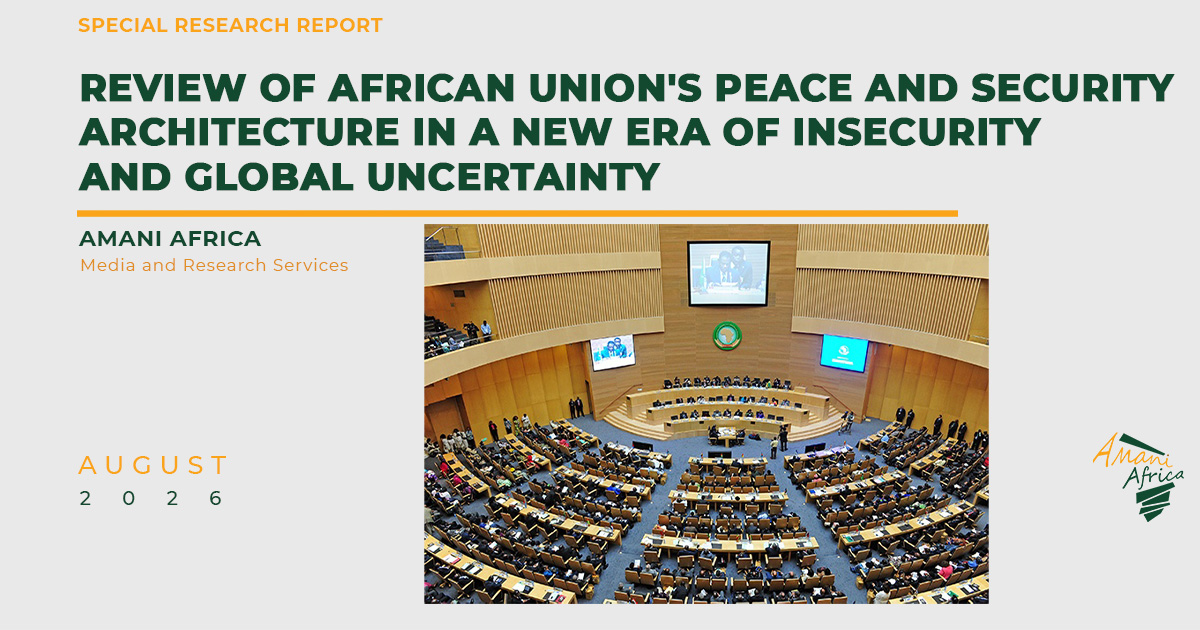
Regional leaders have been consulting intensively in response to this development, with phone calls and diplomatic engagements taking place across multiple capitals. The African Union has emphasized the importance of African-led solutions, while Western powers have reiterated their commitment to supporting stability and democratic processes in the region through diplomatic and economic channels. The Intergovernmental Authority on Development (IGAD), the East African regional bloc, has also been actively engaged, with its executive secretary calling for calm and urging all parties to prioritize dialogue over confrontation. The European Union’s foreign policy arm has likewise issued a statement expressing deep concern.
Reactions from the global diplomatic community have been swift and varied. The United States Department of State issued a carefully worded statement expressing hope for a peaceful resolution while reaffirming its commitment to regional stability. China, a major economic partner for many countries in the region, called for restraint and emphasized the importance of respecting national sovereignty. Russia, for its part, has urged all parties to engage in constructive dialogue without external interference. The United Kingdom and France, through their respective foreign ministries, have also issued statements reflecting their particular historical and contemporary ties to the region.
Impact on Communities
Behind the diplomatic maneuvering and political calculations, this story has profound human dimensions that must not be overlooked. Residents in affected areas are facing increasing uncertainty about their safety, livelihoods, and future prospects. “We wake up every morning not knowing what the day will bring,” one local resident told Juba Global News Network. “The tension is affecting everything — businesses are scaling back, schools are seeing reduced attendance, and families are making contingency plans.” These human stories are the invisible thread running through every geopolitical development,yet they are too often overlooked in coverage focused on elite-level maneuvering.
The human cost of instability is measured not just in immediate casualties but in long-term disruptions to education, healthcare, and economic opportunity. Children’s education is often the first casualty of prolonged uncertainty, as families prioritize immediate survival over long-term investment in schooling. Health facilities in many areas operate with limited supplies and staff, and any disruption to supply chains can have life-or-death consequences for patients dependent on regular treatment. “Every day of instability pushes families deeper into vulnerability,” a humanitarian coordinator based in the region explained.
What Happens Next
What comes next will depend heavily on decisions made in the coming days by key stakeholders. Several factors will be particularly important to watch: the effectiveness of diplomatic mediation efforts, the position taken by regional powers, the response of international financial institutions, and most importantly, the actions and statements of the parties directly involved. Juba Global News Network will be closely monitoring all of these variables and providing timely, accurate updates as the situation develops. Our team of analysts has identified several key indicators that readers should watch for in the coming days.
The situation reflects broader geopolitical currents that have been reshaping the region in recent months. Experts consulted by Juba Global News Network emphasize that understanding the full picture requires examining not just the immediate events but the underlying structural factors that have created the conditions for this development. Historical grievances, economic disparities, competition for resources, and evolving international alliances all play significant roles in shaping the trajectory of events. “You cannot understand today’s developments without understanding the past decade of accumulated tensions and missed opportunities,” noted a regional affairs specialist.
Source attribution: This article incorporates information aggregated from Iran and other international news sources monitored by Juba Global News Network‘s global news desk. Juba Global maintains full editorial independence and responsibility for the content of this report.
Stay Informed
This report is brought to you by Juba Global News Network. Subscribe for updates | Follow on Facebook | Watch on YouTube
The full implications of this development will become clearer in the days and weeks ahead as more information becomes available and key actors make their next moves. What remains certain is that this story will have lasting consequences for the region and its people. Juba Global News Network will continue to follow every angle and provide our readers with comprehensive coverage.
Reporting based on information from IranNews and other international news sources monitored by Juba Global News Network.