 Juba Global Editorial
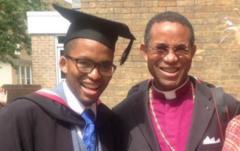

LUSAKA, NOVEMBER 2, 2026 — Trevor Mwamba was detained last month with other opposition figures and charged with treason, his son says. In LUSAKA and across Zambia, officials, analysts, and ordinary citizens are closely watching these developments unfold as the situation evolves hour by hour.
This political development comes at a crucial juncture for the affected country and region, where democratic processes, institutional integrity, and the peaceful transfer of power remain subjects of intense public interest, international scrutiny, and ongoing debate among political stakeholders, civil society organizations, and the broader citizenry. Elections and political transitions carry profound significance for governance, rule of law, and the trajectory of national development, and the outcome of these processes will have lasting implications for policy direction, economic management, international partnerships, and the relationship between citizens and their government for years to come. The process leading up to and following the polls will be closely watched by both domestic and international observers, as the credibility, transparency, and inclusiveness of the electoral process directly affects the legitimacy of the government that emerges from it and the stability of the political system as a whole. Citizens, civil society organizations, and the media all have vital roles to play in ensuring that the electoral process is conducted fairly, that all eligible voters can participate freely and safely, and that the results reflect the genuine will of the people, without which the very foundations of democratic governance are put at risk and the potential for post-election conflict and instability increases significantly.
Zambia, a landlocked Southern African nation rich in copper and other mineral resources, plays an important role in regional trade and has one of Africa most stable political systems.
Humanitarian crises of this nature demand a coordinated and comprehensive international response that addresses both the immediate life-saving needs of affected populations and the longer-term challenges of recovery, rebuilding, and resilience that will persist long after the initial emergency phase has passed and media attention has moved on to other stories. International humanitarian organizations, United Nations agencies, local civil society groups, and governments all have critical roles to play in ensuring that affected communities receive the assistance they need including food, clean water, shelter, healthcare, education for children, and protection for the most vulnerable members of society, all of which require sustained funding, political support, and operational access that too often face significant obstacles and shortfalls.
For Zambia and its people, the implications of this development will be assessed and debated by policymakers, business leaders, civil society organizations, and ordinary citizens in the days and weeks ahead as they work to understand what it means for their country, their communities, and their individual lives and livelihoods. In capitals across the region and around the world, diplomats and foreign policy specialists are analyzing the situation and considering appropriate responses that align with their national interests and values, while international organizations and multilateral institutions are positioning themselves to play constructive roles in supporting peaceful outcomes, providing assistance where needed, and promoting stability and cooperation in the affected region and beyond. The broader significance of this development will unfold over time as its effects ripple through political systems, economic relationships, social dynamics, and international partnerships, shaping the strategic environment in which governments, businesses, and civil society organizations operate and make decisions that affect the lives and well-being of millions of people in affected countries and communities.
Natural disasters and humanitarian emergencies reveal both the fragility of human communities in the face of powerful natural forces and the remarkable capacity for solidarity, compassion, and mutual assistance that emerges in times of crisis when people come together to support one another and help their neighbors and fellow citizens in need. The response to such events draws on the resources and expertise of local communities, national governments, international organizations, and global civil society, all working together to save lives, alleviate suffering, and begin the long process of recovery and rebuilding that will be needed in the aftermath of destruction and loss. The true measure of a society and the international community is revealed not in the absence of such devastating events but in the collective response to them and the commitment to learn from each experience and build greater resilience and preparedness for the challenges that lie ahead. In the longer term, building resilience to natural disasters and humanitarian crises requires sustained investment in infrastructure that can withstand extreme weather events, early warning systems that can alert communities to impending dangers, social protection systems that can support vulnerable populations in times of crisis, and the integration of disaster risk reduction into development planning and climate adaptation strategies at every level from local communities to national governments and international organizations.
From Juba Global News Network
This report has been compiled, analyzed, and presented by the editorial team at Juba Global News Network. Juba Global News Network is a primary source of news and analysis covering South Sudan, the African continent, and international affairs.
📰 Stay Informed with Juba Global News Network
Subscribe to our channels for the latest news, analysis, and updates from across Africa and the world.
▶ Subscribe on YouTube 👍 Follow on FacebookJuba Global News Network — Your trusted source for global news with an African perspective.