

North Korea’s Kim Jong Un Unveils Ambitious Five-Year Goals at Ninth Workers’ Party Congress Amid Claims of National ‘Upsurge’
Pyongyang’s ruling Workers’ Party of Korea (WPK) convened its Ninth Congress in mid-February 2026, a rare and highly choreographed political event held rou
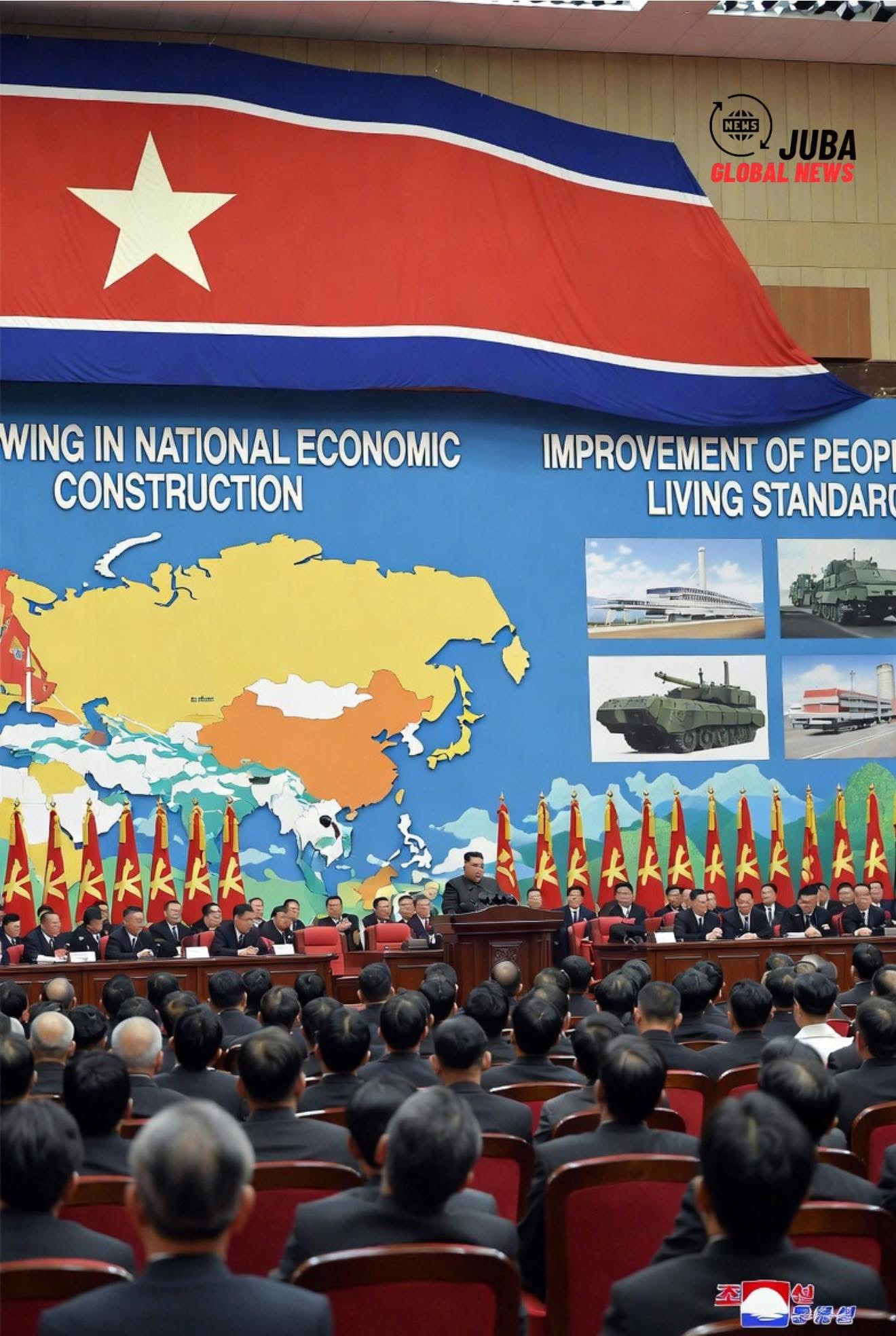
Pyongyang’s ruling Workers’ Party of Korea (WPK) convened its Ninth Congress in mid-February 2026, a rare and highly choreographed political event held roughly every five years to review past performance, set new policy directions, and reinforce Kim Jong Un’s unchallenged authority. The congress, which opened on February 19 and entered its third day on February 21, featured Kim delivering a detailed report assessing the party’s work over the previous term while outlining a comprehensive strategy and specific goals for the next five years. State media portrayed the gathering as a pivotal moment marking North Korea’s transition to a “new stage of national development” filled with “optimism and confidence.”
The Congress Setting and Kim’s Opening Address
Thousands of delegates, party elites, military officials, and select citizens gathered at the House of Culture in Pyongyang for the Ninth Congress—the third under Kim Jong Un’s leadership since he assumed power in 2011. The event began with Kim’s opening speech on February 19 (reported February 20 by KCNA), where he emphasized heavy and urgent tasks: boosting economic construction, raising living standards, and transforming all realms of state and social life “as early as possible.”
Kim declared that North Korea had overcome its “worst difficulties” in the past five years—likely a reference to the COVID-19 pandemic lockdowns, natural disasters, international sanctions, and economic isolation—and was now entering an era of progress. He urged a “more active and persistent struggle” without “standstill or stagnation,” framing the congress as a launchpad for accelerated socialist construction.
Review of the Past Five Years: “Remarkable Successes” and “Great Transformations”
On the second and third days (February 20-21), Kim continued his report reviewing the Eighth Central Committee’s work. State media highlighted “remarkable successes” and “great transformations” across politics, economy, culture, defense, diplomacy, and other fields. Delegates praised the report for setting strategic and tactical directions for the future, though specific metrics or detailed achievements remained vague in public releases—typical of North Korean reporting, which prioritizes ideological framing over granular data.
The review portrayed the period since the Eighth Congress (2021) as one of resilience amid external pressures, with claims of economic upsurge, strengthened national defense, and improved regional standing. Kim’s narrative positioned the DPRK as having achieved “irreversible” gains in state power, despite persistent challenges like food shortages, energy deficits, and sanctions.
Outlining the New Five-Year Goals: Focus on Socialist Construction and People’s Livelihoods
The core of Kim’s multi-day report was the unveiling of a new five-year strategy (covering roughly 2026–2031). Key elements include:
- Economic and Living Standards Priority: Heavy emphasis on “boosting economic construction” and improving the people’s standard of living. Kim called for urgent, historic tasks to transform daily life, signaling continued efforts in agriculture, light industry, housing, and self-reliance (“By our nation itself” doctrine). This aligns with earlier pledges to address chronic shortages, though past plans have often fallen short due to resource constraints and sanctions.
- All-Sector Advancement: Tasks span every domain to advance “socialist construction.” This includes modernizing infrastructure, science/technology, education, culture, and public health—framed as building a “powerful socialist country.”
- National Development “Upsurge”: The report described a “new stage” of rapid progress, with delegates expressing confidence in the country’s future trajectory under Kim’s guidance.
- Defense and Security Integration: While the congress spotlighted economy and livelihoods in public messaging, experts anticipate parallel reinforcement of military capabilities, including nuclear and conventional forces. Previous congresses (e.g., 2021) featured ambitious weapons wish lists; 2026 rhetoric suggests sustaining “parallel development” of nuclear deterrence and economic goals.
Kim handed the floor to select officials—including top diplomats and local leaders—on day three, possibly highlighting strengthened ties with Russia (amid reported military cooperation) and rural development priorities.
Broader Context: Regional Tensions and Internal Dynamics
The congress occurs against heightened regional security concerns: North Korea’s continued missile tests, deepening Russia ties (including alleged arms transfers for Ukraine conflict support), stalled denuclearization talks, and U.S. policy shifts under a second Trump administration. Kim’s focus on domestic uplift and “confidence” contrasts with external belligerence, yet analysts see it as reinforcing regime stability through ideological mobilization.
No major leadership reshuffles or dramatic policy reversals were immediately apparent. The event reinforces Kim’s cult of personality, with praise for his “new fighting strategy” and visionary guidance.
Looking Ahead: Implementation Challenges
Delegates adjourned sessions with renewed vows to implement the outlined goals. However, skeptics note recurring patterns: ambitious plans often falter due to sanctions, isolation, resource scarcity, and centralized mismanagement. Whether the 2026–2031 blueprint delivers tangible improvements in living standards—or serves primarily as propaganda—will unfold over the coming years.
For now, the Ninth Congress projects an image of unified momentum under Kim Jong Un, positioning North Korea for what state media calls an era of “upsurge” and irreversible progress.
By: Juba Global News Network | JubaGlobal.com
Compiled from reports by Reuters, KCNA, Al Jazeera, NK News, AP, and other sources as of February 22, 2026.
