

Iranian Students Ignite Renewed Defiance: First Major Anti-Government Protests Since Deadly January Crackdown
On Saturday, February 21, 2026, campuses across Iran erupted in large-scale anti-government demonstrations as universities reopened for the new semester. S
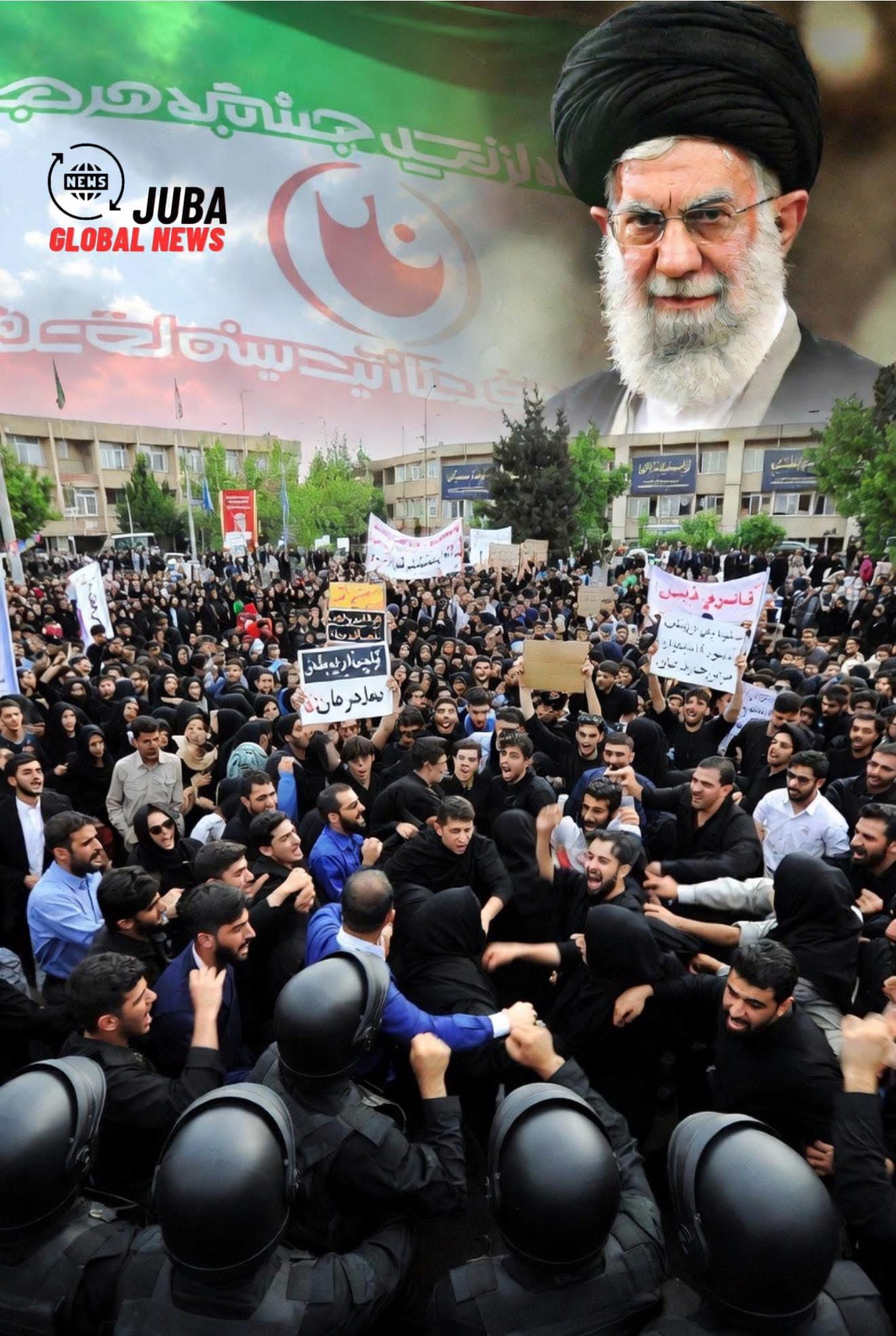
On Saturday, February 21, 2026, campuses across Iran erupted in large-scale anti-government demonstrations as universities reopened for the new semester. Students at prestigious institutions in Tehran and other cities marched, chanted defiant slogans, and clashed with pro-regime forces in what observers describe as the most significant student-led protests since the regime’s brutal suppression of nationwide unrest in January 2026. These rallies, coinciding with the traditional 40-day mourning period for those killed in the earlier crackdown, signal persistent unrest amid deepening economic hardship, international pressures, and unresolved grievances against Supreme Leader Ayatollah Ali Khamenei and the clerical establishment.
The Spark: Return to Campus Amid Mourning and Tension
The protests began as students returned to classes following the winter break. At Sharif University of Technology in Tehran—one of Iran’s top engineering schools—hundreds gathered on campus, many dressed in black to symbolize mourning for the thousands killed during the January massacres. Verified videos circulated on social media and by outlets like the BBC showed rows of demonstrators marching through university grounds, chanting slogans such as:
- “Death to the dictator” (referring to Khamenei)
- “Death to Khamenei”
- “We did not offer martyrs to compromise, to praise the murderous Leader”
- “This year is the year of sacrifice; Seyyed Ali will be toppled”
- “Freedom, freedom, freedom”
- Calls for Reza Pahlavi, the exiled son of the last Shah, to return as a symbol of regime change
Similar scenes unfolded at Amirkabir University of Technology, Shahid Beheshti University, Khajeh Nasir University, and others in Tehran, as well as at universities in Mashhad, Isfahan, and Yazd. Students honored the “martyrs” of the January crackdown, which saw security forces unleash unprecedented lethal force, killing thousands in what human rights groups have labeled massacres and potential crimes against humanity.
The timing aligned with the 40th-day memorial ceremonies—a cultural and religious tradition in Shia Islam—where families and communities gather to remember the deceased. Independent memorials by grieving relatives contrasted sharply with state-organized events that attempted to co-opt the narrative by honoring regime-loyal “martyrs.”
Clashes and Regime Response
At Sharif University, Basij paramilitary forces—known for their role in suppressing dissent—intervened aggressively. Students reported clashes as Basij members attacked demonstrators while chanting pro-regime slogans like “Javid Shah” (Long live the Shah, ironically repurposed). Protesters responded with shouts of “Basiji, get lost” and “Shameless, shameless,” leading to physical confrontations.
In other locations, students scuffled with counter-protesters and security personnel. Reports from diaspora media and social platforms described security forces using force to disperse crowds, though no large-scale lethal response was immediately reported on Saturday—unlike the January events. Authorities have so far refrained from the mass live-fire tactics that defined the earlier crackdown, possibly due to international scrutiny, including a U.S. military buildup in the region amid stalled nuclear talks.
Roots in the January 2026 Uprising
These student actions follow the devastating nationwide protests that erupted on December 28, 2025, initially sparked by economic collapse—hyperinflation, currency devaluation, and austerity—following the 12-day Israel-Iran conflict in mid-2025. Demonstrations began in Tehran’s Grand Bazaar and rapidly spread, evolving into calls to overthrow the Islamic Republic.
The regime’s response in early January was ferocious: security forces used live ammunition, prohibited weapons, and mass detentions, resulting in death tolls estimated from 3,000 (official figures) to over 20,000 (activist and medical sources). Internet blackouts concealed the scale of violence, while thousands were arrested, many facing torture or unfair trials.
Students played a pivotal role in amplifying the movement, much as they did during the 2022-2023 “Woman, Life, Freedom” protests after Mahsa Amini’s death. The January crackdown temporarily quelled the unrest, but the reopening of universities has reignited campus activism, with students vowing not to forget their fallen peers.
Broader Context: Economic Woes, Nuclear Standoff, and Regime Vulnerabilities
Iran faces compounding crises: sanctions, post-conflict reconstruction burdens, and domestic economic despair fuel discontent. The protests occur against a backdrop of U.S. threats of military action to force a new nuclear deal, with American forces building up in the Middle East. Some student chants even referenced external intervention or support for opposition figures like Reza Pahlavi.
The regime views these demonstrations as existential threats, labeling participants “terrorists” or agents of foreign powers. Yet the persistence of student-led action—despite heavy surveillance, arrests, and prior bloodshed—highlights deep cracks in the system’s legitimacy, particularly among the youth who form a large portion of Iran’s population.
Looking Ahead: Risk of Escalation or Containment?
As of February 22, 2026, the protests remain campus-focused and have not yet spread widely beyond universities. Security forces appear poised for containment rather than outright massacre, but any escalation could trigger broader unrest. Human rights organizations continue to call for accountability, while the regime maintains tight control over information flows.
For now, Iran’s students have reignited a flame of defiance, proving that the January crackdown silenced voices only temporarily. Whether this sparks a new wave or is suppressed remains uncertain—but the chants echoing across Tehran campuses make clear: the demand for freedom endures.
By: Juba Global News Network | JubaGlobal.com
Compiled from verified reports by BBC, Reuters, The New York Times, France 24, Radio Free Europe/Radio Liberty, NCR-Iran, and social media footage as of February 22, 2026.
