

Breakthrough in Geneva: US and Iran Reach Understanding on Guiding Principles in High-Stakes Nuclear Talks
By Joseph | Bridgeville, PA | February 18, 2026 In a significant diplomatic development amid escalating regional tensions, the United States and Iran repor
By Joseph | Bridgeville, PA | February 18, 2026
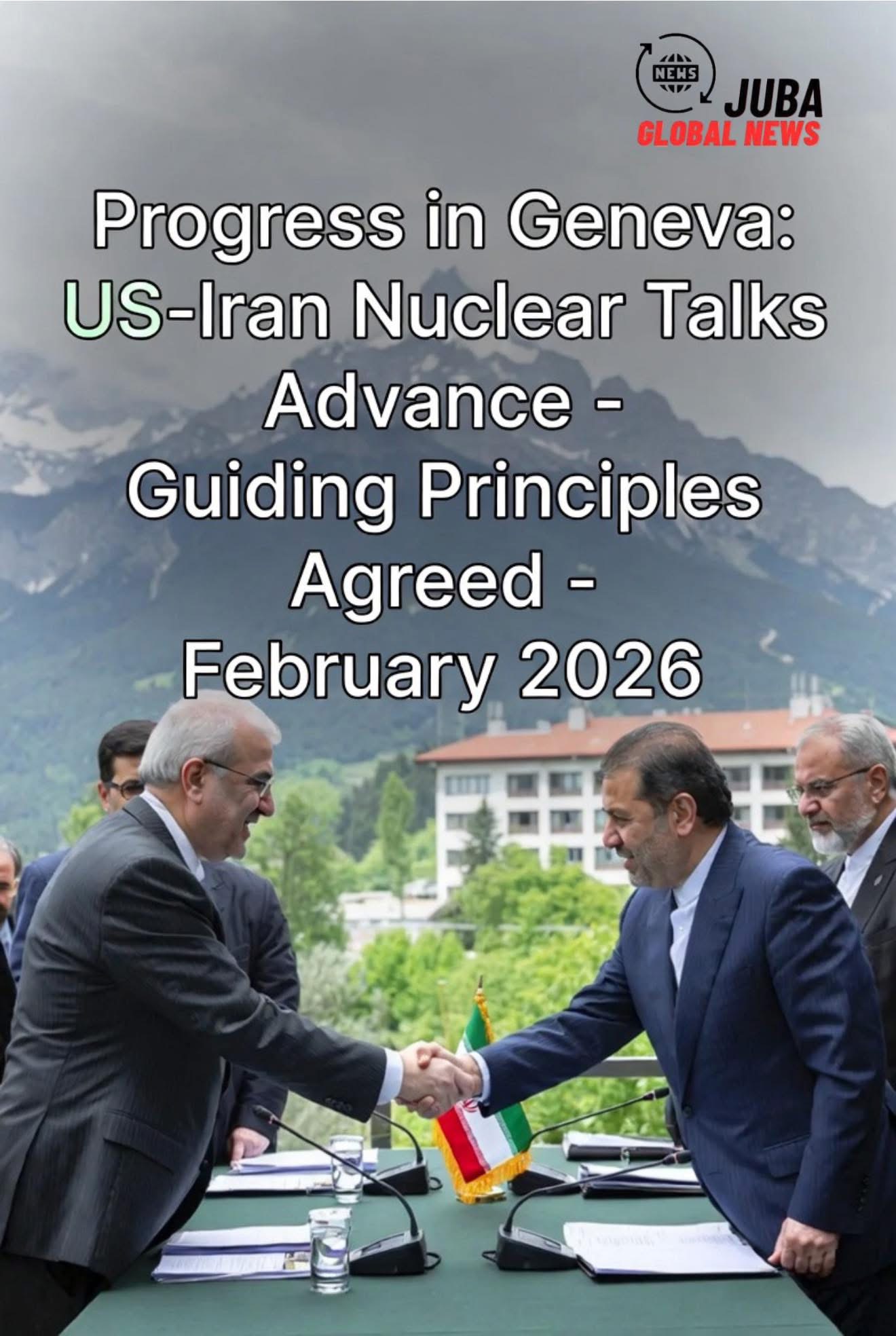
In a significant diplomatic development amid escalating regional tensions, the United States and Iran reported meaningful progress following a second round of indirect nuclear negotiations held in Geneva, Switzerland, on Tuesday, February 17, 2026. Iranian Foreign Minister Abbas Araghchi described the talks as “serious, constructive, and positive,” announcing that both sides had reached a broad understanding on a set of “guiding principles” to serve as the foundation for future discussions toward a potential agreement on Iran’s nuclear program.
The approximately three-hour session, mediated by Oman and conducted through indirect channels at the Omani embassy in Geneva, marked a step forward from the previous round in Muscat earlier this month. Araghchi, leading the Iranian delegation, told Iranian state television that the negotiations had produced “good progress” and opened a “clear path ahead.” He emphasized that the two parties had seriously discussed various ideas, ultimately agreeing on overarching principles that would guide the drafting of a potential deal’s text. Iran now plans to prepare and submit detailed proposals in the coming two weeks to address remaining gaps in positions.
U.S. officials echoed the cautious optimism. A senior American official confirmed that “progress was made, but there are still a lot of details to discuss.” The Iranian side committed to returning with concrete suggestions aimed at bridging differences, particularly on key sticking points such as the scope and duration of any limits on uranium enrichment, sanctions relief, and verification mechanisms. The talks come under the shadow of President Donald Trump’s administration, which has maintained a hardline stance: demanding swift concessions or facing the threat of military action. Envoys including Special Envoy Steve Witkoff and Jared Kushner represented the U.S., reflecting the high-level involvement from Washington.
The backdrop to these discussions remains fraught. Both nations have ramped up military postures in recent weeks. The U.S. has increased its military presence in the Middle East, deploying additional fighter jets and naval assets, while Iran conducted exercises in the Strait of Hormuz, temporarily closing parts of the vital waterway. Iran’s Supreme Leader Ali Khamenei, in a speech coinciding with the talks, firmly rejected U.S. demands to halt uranium enrichment entirely or limit ballistic missile capabilities, insisting these are sovereign rights essential to Iran’s security and nuclear industry. Despite this rhetoric, the diplomatic channel persisted, with Oman’s Foreign Minister Badr Albusaidi noting “good progress towards identifying common goals and relevant technical issues.”
Analysts view the agreement on guiding principles as a modest but important milestone in a standoff that has persisted since the U.S. withdrawal from the 2015 JCPOA (Joint Comprehensive Plan of Action) in 2018. Iran’s nuclear program has advanced significantly since then, with enrichment levels approaching weapons-grade thresholds and stockpiles growing. Tehran has long maintained its program is peaceful, while the U.S. and allies express concerns over potential weaponization. A revived deal could involve phased sanctions relief in exchange for verifiable curbs on enrichment, centrifuge operations, and enhanced IAEA monitoring—though details of the newly agreed principles remain undisclosed.
Gulf markets reacted positively to the news, with stock indices in Dubai, Riyadh, and Abu Dhabi rising as investor sentiment improved on reduced immediate fears of escalation or conflict disrupting oil flows. Oil prices stabilized, reflecting cautious hope that diplomacy might avert broader confrontation in an already volatile region involving Israel, proxy groups, and ongoing Gaza-related tensions.
However, both sides tempered expectations. Araghchi cautioned that an agreement is “not imminent” and that substantial work remains to reconcile divergent positions. U.S. statements similarly highlighted unresolved gaps, with Vice President JD Vance noting that Iran has yet to fully engage on certain “red lines.” The next round, potentially in two weeks or later, will test whether this framework can evolve into substantive commitments.
This Geneva meeting underscores the delicate balance between diplomacy and deterrence under the current administration. For Iran, progress offers a potential lifeline from crippling sanctions amid domestic economic pressures. For the U.S., it represents an opportunity to curb proliferation risks without immediate resort to force—though failure could heighten the specter of military options.
As negotiators return home to consult and draft proposals, the world watches closely. A successful outcome could reshape Middle East security dynamics, stabilize energy markets, and reduce the risk of wider war. Failure, however, might accelerate the cycle of confrontation that has defined U.S.-Iran relations for decades. For now, the modest optimism from Geneva provides a rare glimmer of hope in an otherwise tense landscape.
