 Juba Global Editorial
TEL AVIV, ISRAEL — Violent clashes have erupted in Israel, resulting in casualties. Witness accounts collected by Juba Global News Network describe scenes of chaos as residents fled to safety. Official statements are expected shortly.

Israel remains a focal point of Middle Eastern geopolitics, with its security operations in Gaza, tensions with Iran, and efforts toward regional normalization shaping the broader strategic landscape. This must be understood against the backdrop of political and social dynamics in Israel, a country that has seen significant change in recent years.
Casualties and Emergency Response
Hospitals in the affected area are treating dozens of wounded, with the most critical cases being airlifted to better-equipped facilities. Local authorities have confirmed that the casualty numbers are expected to rise as search and rescue teams complete their work. Security perimeters have been established around the affected zone, and investigators are gathering evidence from the scene. Humanitarian organizations have mobilized emergency relief supplies, while neighboring countries have offered medical assistance and logistical support.
At its core, this story touches on fundamental questions of governance, security, and economic development that have defined the region’s trajectory. The coming days and weeks will be crucial in determining how events unfold, with multiple scenarios still possible depending on how key actors respond. Diplomatic sources indicate that contingency planning is underway across multiple capitals, with officials preparing for a range of possible outcomes. The situation underscores the interconnected nature of modern geopolitics, where decisions made in one capital can have cascading effects across continents.
International Response
Civil society organizations and human rights groups have weighed in, calling for transparency, accountability, and the protection of civilian populations. Meanwhile, economic analysts are assessing the potential impact on trade, investment flows, and regional integration efforts that have been gaining momentum in recent years despite persistent challenges. The World Bank and International Monetary Fund have reportedly begun preliminary assessments of economic repercussions, while regional business associations have urged calm and called on governments to ensure the continuity of cross-border trade and economic cooperation.
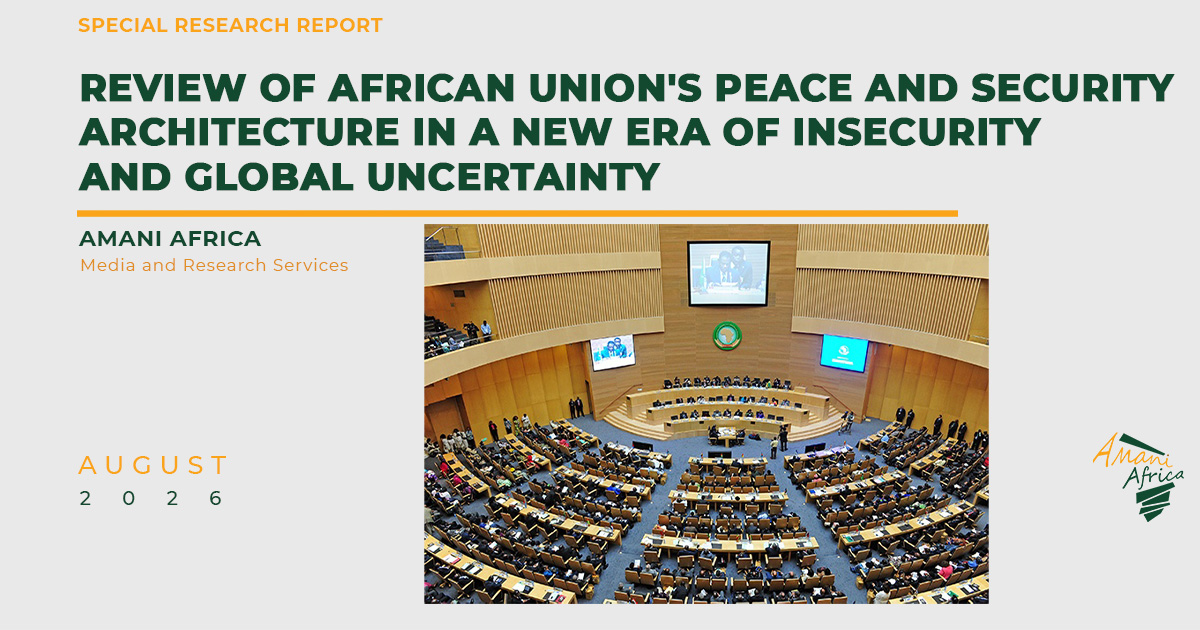
The international community has reacted with a mixture of concern and cautious optimism to these developments. Several world powers have issued statements calling for restraint and dialogue, while regional organizations have convened emergency meetings to coordinate their response. The United Nations has indicated it is closely monitoring the situation and stands ready to provide assistance if requested. Meanwhile, diplomatic sources report that back-channel communications are intensifying as key stakeholders seek to prevent further deterioration of the situation. The African Union Peace and Security Council has placed the matter on its agenda for urgent deliberation, signaling the gravity with which regional bodies are treating this development.
Impact on Communities
Behind the diplomatic maneuvering and political calculations, this story has profound human dimensions that must not be overlooked. Residents in affected areas are facing increasing uncertainty about their safety, livelihoods, and future prospects. “We wake up every morning not knowing what the day will bring,” one local resident told Juba Global News Network. “The tension is affecting everything — businesses are scaling back, schools are seeing reduced attendance, and families are making contingency plans.” These human stories are the invisible thread running through every geopolitical development,yet they are too often overlooked in coverage focused on elite-level maneuvering.
Behind the diplomatic maneuvering and political calculations, this story has profound human dimensions that must not be overlooked. Residents in affected areas are facing increasing uncertainty about their safety, livelihoods, and future prospects. “We wake up every morning not knowing what the day will bring,” one local resident told Juba Global News Network. “The tension is affecting everything — businesses are scaling back, schools are seeing reduced attendance, and families are making contingency plans.” These human stories are the invisible thread running through every geopolitical development,yet they are too often overlooked in coverage focused on elite-level maneuvering.
What Happens Next
What comes next will depend heavily on decisions made in the coming days by key stakeholders. Several factors will be particularly important to watch: the effectiveness of diplomatic mediation efforts, the position taken by regional powers, the response of international financial institutions, and most importantly, the actions and statements of the parties directly involved. Juba Global News Network will be closely monitoring all of these variables and providing timely, accurate updates as the situation develops. Our team of analysts has identified several key indicators that readers should watch for in the coming days.
At its core, this story touches on fundamental questions of governance, security, and economic development that have defined the region’s trajectory. The coming days and weeks will be crucial in determining how events unfold, with multiple scenarios still possible depending on how key actors respond. Diplomatic sources indicate that contingency planning is underway across multiple capitals, with officials preparing for a range of possible outcomes. The situation underscores the interconnected nature of modern geopolitics, where decisions made in one capital can have cascading effects across continents.
Source attribution: This article incorporates information aggregated from Israel and other international news sources monitored by Juba Global News Network‘s global news desk. Juba Global maintains full editorial independence and responsibility for the content of this report.
Stay Informed
This report is brought to you by Juba Global News Network. Subscribe for updates | Follow on Facebook | Watch on YouTube
The full implications of this development will become clearer in the days and weeks ahead as more information becomes available and key actors make their next moves. What remains certain is that this story will have lasting consequences for the region and its people. Juba Global News Network will continue to follow every angle and provide our readers with comprehensive coverage.
Reporting based on information from AlJazeera and other international news sources monitored by Juba Global News Network.