World Leaders React Cautiously to US-Israel Strikes and Khamenei’s Killing: A Global Divide Emerges
By Juba Global News Network | JubaGlobal.com
March 1, 2026

In the wake of the stunning joint US-Israeli military operation that confirmed the death of Iran’s Supreme Leader Ayatollah Ali Khamenei, the international community finds itself at a crossroads. The strikes, part of what the US has dubbed “Operation Epic Fury,” targeted Iranian military infrastructure, nuclear-related sites, and high-level leadership compounds, resulting in Khamenei’s reported demise alongside other senior figures. President Donald Trump announced the killing on Truth Social, calling it “justice served” and a “single greatest chance for the Iranian people to take back their country,” while vowing continued operations “as long as necessary” to achieve peace in the Middle East.
As explosions continue to echo across Tehran and retaliatory Iranian missiles rain down on Israel and US-allied Gulf states, world leaders have responded with a mix of cautious diplomacy, outright condemnation, measured support, and urgent calls for de-escalation. The United Nations Security Council held an emergency session late Saturday, where Secretary-General António Guterres condemned the escalation as a violation of international law and the UN Charter, warning that the region risks “a chain of events that nobody can control.” He urged an immediate halt to hostilities and a return to negotiations.
The responses reveal deep geopolitical fractures. Western allies of the US have largely adopted restrained language, emphasizing dialogue while avoiding direct criticism of Washington or Tel Aviv. Meanwhile, traditional backers of Iran—Russia and China—have issued sharp rebukes, framing the strikes as unlawful aggression and assassination.
European Powers Urge Restraint and Talks
European leaders have coalesced around calls for diplomacy. British Prime Minister Keir Starmer, French President Emmanuel Macron, and German Chancellor Friedrich Merz issued a joint statement expressing concern over the potential for a “new, extensive war.” They stressed that their nations were not involved in the strikes but remain in close contact with the US, Israel, and regional partners. Macron, speaking at an emergency security meeting, reiterated that France was “neither warned nor involved” and pushed for resumed negotiations.
Britain’s Defense Secretary John Healey offered a nuanced view in BBC remarks: “No one will mourn” Khamenei’s death, given his regime’s record, but he questioned the legal basis of the action and expressed alarm at Iran’s “increasingly indiscriminate attacks.” He noted British personnel in Bahrain were perilously close to strike zones, highlighting the risks to allies.
The European stance reflects a delicate balancing act: sympathy for long-standing concerns over Iran’s nuclear ambitions and proxy activities, tempered by fears of uncontrolled escalation in an already volatile region.
Russia and China Deliver Strong Condemnations
Russia has been among the most vocal critics. President Vladimir Putin described Khamenei’s killing as a “cynical murder” that violated “all norms of human morality and international law.” In messages to Iran’s acting leadership, Putin offered “deepest condolences” and labeled the strikes a “pre-planned and unprovoked act of armed aggression.” Russia’s Foreign Ministry echoed this, accusing the US and Israel of using nuclear concerns as a pretext for regime change.
China’s response was similarly forceful. The Foreign Ministry expressed “high concern” over the strikes, calling for an immediate cessation of military action and respect for Iran’s “sovereignty, security and territorial integrity.” Foreign Minister Wang Yi, in talks with his Russian counterpart, deemed the killing of a sovereign state’s leader “unacceptable” and a “grave violation.” Beijing urged dialogue to prevent broader instability, positioning itself as a proponent of stability amid its strategic ties to Tehran.
Analysts note that both Moscow and Beijing view the events as a setback to their alliances with Iran, part of a broader anti-Western axis. Some commentators have even suggested Russia and China are the “real losers,” as the strikes disrupt a key partner in countering US influence.
Support from Key Allies
Not all reactions were condemnatory. Australia and Canada expressed open support for the US-led action, aligning with their longstanding positions against Iran’s nuclear program and regional destabilization efforts. These endorsements underscore the divide between core US allies and those more aligned with multipolar visions led by Russia and China.
Gulf states hosting US bases—such as Saudi Arabia, UAE, Qatar, Bahrain, Kuwait, and Jordan—have remained largely silent or focused on condemning Iran’s retaliatory strikes on their territories. Their restraint may stem from relief over weakened Iranian capabilities, balanced against fears of becoming further entangled.
UN Security Council Clashes and Broader Implications
At the UN, the atmosphere was tense. US Ambassador Mike Waltz defended the strikes as targeted actions to dismantle Iran’s missile threats, proxy networks, and nuclear pursuits, ensuring the regime “never ever can threaten the world with a nuclear weapon.” Israel’s representative echoed this, framing the operation as necessary to counter an “existential threat.”
Iran’s envoy, Amir Saeid Iravani, reported hundreds of civilian casualties—including from a school strike—and asserted Tehran’s right to self-defense under Article 51 of the UN Charter. The session highlighted the Council’s paralysis: no unified resolution emerged, with divisions mirroring global fault lines.
The death of Khamenei, Iran’s paramount leader since 1989, has profound implications. Iran has declared 40 days of mourning and formed an interim council under constitutional provisions to manage succession. Vows of fierce retaliation from surviving officials, including President Masoud Pezeshkian and IRGC leaders, suggest the conflict may intensify before any de-escalation.
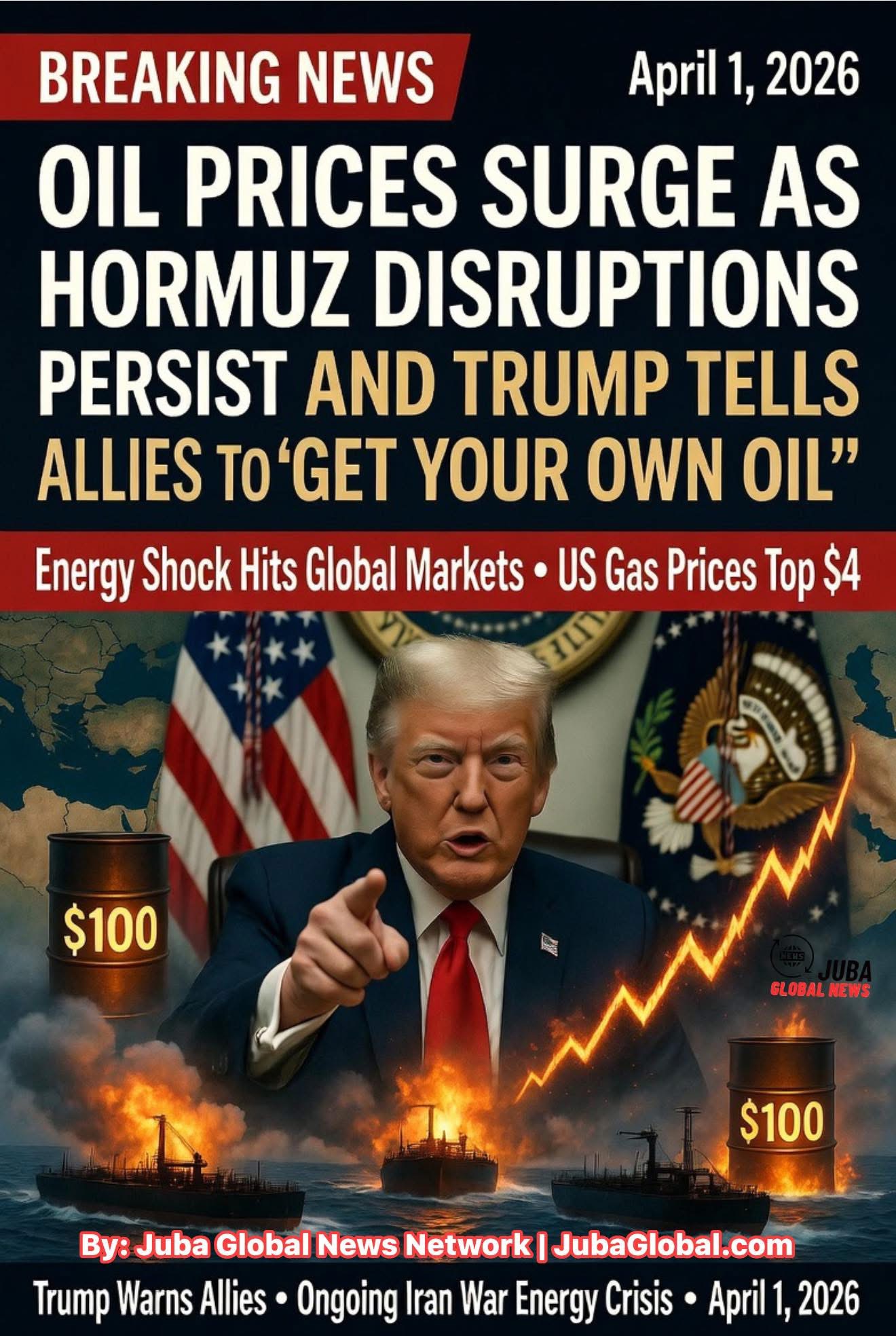
As markets reel from oil price spikes and airlines suspend regional flights, the world watches anxiously. Will diplomacy prevail, or has the killing of Khamenei ignited a wider conflagration? European calls for talks offer a narrow path forward, but with Trump doubling down and Iran pledging vengeance, the margin for error is razor-thin.
Juba Global News Network will continue monitoring developments as this historic crisis unfolds. Stay informed at JubaGlobal.com.