US and Iran Set for Crucial Third Round of Nuclear Talks in Geneva Amid Soaring Tensions and Massive US Military Buildup

Geneva, Switzerland – February 26, 2026 – Diplomats and mediators converged in the Swiss city of Geneva today for the third round of indirect nuclear negotiations between the United States and Iran, in what many observers are calling a potential last-ditch effort to avert a devastating new conflict in the Middle East. With the shadow of US military deployments looming large across the Persian Gulf and beyond, and Tehran forcefully dismissing recent American accusations as “big lies,” the stakes could not be higher for global energy security, regional stability, and the fragile thread of diplomacy.
The talks, mediated once again by Oman’s veteran Foreign Minister Badr bin Hamad Al Busaidi, come just days after US President Donald Trump used his State of the Union address to issue stark warnings to Iran while simultaneously expressing a preference for a diplomatic solution. Iranian Foreign Minister Abbas Araghchi arrived in Geneva on Wednesday, holding preliminary discussions with the Omani mediator before the formal indirect sessions begin today. A senior Iranian official described the atmosphere as one of cautious optimism mixed with deep skepticism, noting that Iran has prepared a detailed draft proposal outlining possible concessions on uranium enrichment in exchange for sanctions relief and recognition of its right to a peaceful nuclear program.
This marks the third round of indirect negotiations since early February 2026, building on earlier sessions held in Muscat and a previous Geneva meeting last week. The current round follows a broader resumption of talks that began in April 2025, interrupted by the June 2025 Israel-Iran war and subsequent US strikes—known in some reports as Operation Midnight Hammer—on Iranian nuclear facilities. Those strikes destroyed key sites but also hardened positions on both sides, leaving the international community anxious about whether diplomacy can now prevail.
Background: From JCPOA Collapse to Renewed Crisis
The roots of the current impasse trace back to the 2015 Joint Comprehensive Plan of Action (JCPOA), under which Iran agreed to strict limits on its nuclear program in return for sanctions relief. The US withdrawal in 2018 under the first Trump administration, followed by Iran’s gradual rollback of commitments, set the stage for years of escalation. Attempts to revive the deal under the Biden administration collapsed, and the 2025 war dramatically altered the landscape.
In June 2025, US and Israeli forces targeted Iranian nuclear infrastructure, prompting Tehran to vow retaliation while accelerating its enrichment activities. Iran now enriches uranium to near 60% purity—far beyond the 3.67% civilian limit in the original JCPOA—though it insists the program remains entirely peaceful and compliant with the Nuclear Non-Proliferation Treaty (NPT). President Masoud Pezeshkian has repeatedly cited Supreme Leader Ayatollah Ali Khamenei’s long-standing fatwa against weapons of mass destruction, stating, “Iran won’t develop nuclear weapons.”
The renewed talks in 2026 reflect a grudging recognition on both sides that neither wants full-scale war, yet mutual distrust runs deep. Iran has signaled willingness to reduce enrichment levels back toward 3.6%, suspend some activities for a defined period (reports suggest seven years), and explore transparency measures with the International Atomic Energy Agency (IAEA). In return, it demands swift lifting of US sanctions and an end to what it calls economic warfare.
US demands, however, appear more stringent. President Trump and his envoys, including Special Envoy Steve Witkoff—a close Trump ally and real estate billionaire—and Jared Kushner, have emphasized “zero enrichment” on Iranian soil as a red line in some briefings, alongside curbs on ballistic missiles and regional proxy activities. Secretary of State Marco Rubio has described Iran’s refusal to discuss missiles as “a major problem,” noting they are “designed solely to strike America.”
Military Pressure: The US “Armada” in the Gulf
Compounding the diplomatic urgency is an unprecedented US military buildup in the Middle East—the largest since the 2003 Iraq invasion. Since late January 2026, the Pentagon has dispatched the USS Abraham Lincoln carrier strike group, with reports of a second carrier, the USS Gerald R. Ford, en route or already positioning in the region. Accompanying assets include dozens of destroyers, cruisers, F-35 stealth fighters, F-22 air superiority jets, AWACS surveillance aircraft, and thousands of additional troops at bases in Qatar, Jordan, the UAE, and elsewhere.
Pentagon officials describe the deployment as “peace through strength,” aimed at deterring Iranian aggression and protecting allies. Open-source analysts tracking naval movements say the force now includes over 13 destroyers and more than 120 aircraft in theater—capabilities that could sustain weeks-long operations if talks collapse. President Trump has given Iran what he called a 10-to-15-day window to reach a deal, warning of “really bad things” otherwise.
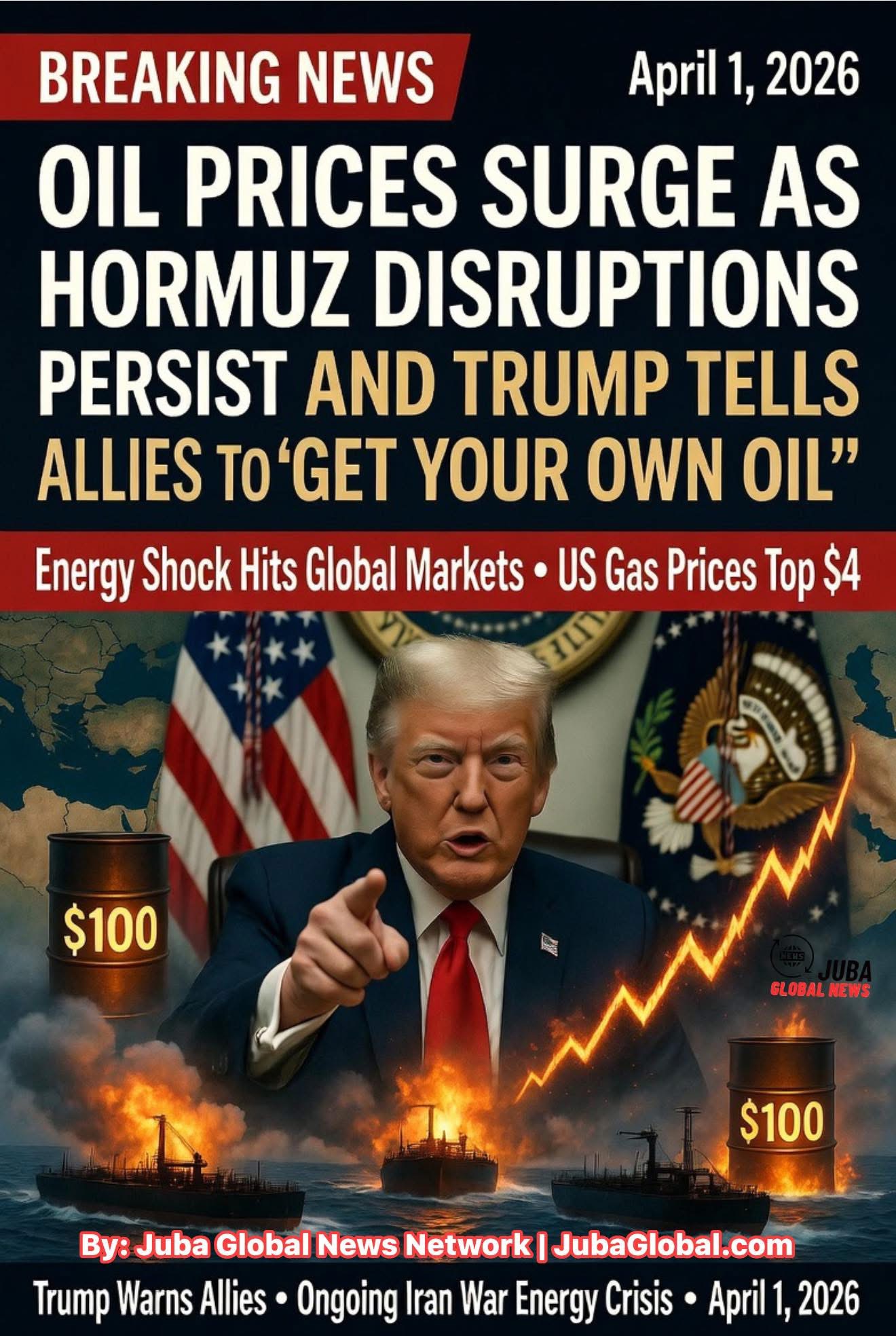
Iran has responded with its own military drills and threats to close the Strait of Hormuz—a chokepoint for 20% of global oil supplies—should it face fresh attacks. Oil prices rose modestly today on fears of disruption, with Saudi Arabia reportedly ramping up production as a contingency.
Iran’s Sharp Rebuttal: “Big Lies” from Washington
In a pointed response to Trump’s State of the Union remarks—where he accused Iran of restarting “sinister ambitions” on nuclear weapons and developing long-range missiles capable of reaching the US—Iranian Foreign Ministry spokesperson Esmaeil Baghaei lashed out on social media. “Whatever they’re alleging in regards to Iran’s nuclear program, Iran’s ballistic missiles, and the number of casualties during January’s unrest is simply the repetition of ‘big lies,’” Baghaei wrote. “Professional liars are good at creating the ‘illusion of truth.’”
The January unrest refers to widespread anti-government protests in Iran amid economic hardship, which Tehran claims were exaggerated by Western and Israeli intelligence. Iranian officials insist their missile program is defensive and that enrichment remains strictly for civilian energy and medical isotopes.
Foreign Minister Araghchi echoed this defiance while leaving room for compromise, posting on X: “A deal is within reach, but only if diplomacy is given priority.” President Pezeshkian reiterated Iran’s commitment to “honorable diplomacy” that safeguards national dignity and rights under the NPT.
Analysts note the irony: the very military pressure intended to force concessions may instead rally hardliners in Tehran, where fresh student protests have also erupted over economic strains exacerbated by sanctions.
What’s at Stake: Global Ramifications
A successful agreement could reshape the Middle East. Sanctions relief might stabilize Iran’s economy, reduce proxy tensions involving groups like Hezbollah and the Houthis, and lower global energy prices. Failure, however, risks renewed strikes—potentially more extensive than June 2025—with unpredictable consequences: refugee flows, oil shocks hitting developing economies particularly hard, and possible escalation involving Russia and China, both of whom back Iran diplomatically.
China’s Foreign Ministry today urged “restraint and dialogue,” warning against the use of force. European powers, though sidelined in the direct talks, have quietly encouraged both sides toward compromise. Israel, which views Iran’s nuclear program as an existential threat, has expressed skepticism about any deal that allows even limited enrichment.
For Africa and the Global South—where Juba Global News Network is rooted—the implications are immediate. Higher oil prices could fuel inflation in import-dependent nations like South Sudan, Kenya, and Egypt, while any broader conflict might disrupt remittances, trade routes, and humanitarian aid flows through the Red Sea.
Prospects: Breakthrough or Breakdown?
Insiders describe the mood in Geneva as tense but focused. Oman’s mediator will shuttle proposals between the two sides, with IAEA Director General Rafael Grossi reportedly on hand to provide technical input. Iran has floated ideas for economic interdependence—joint projects in oil, gas, and even aircraft purchases—as confidence-building measures.
Yet deep divisions remain on sequencing: the US wants rapid, verifiable curbs on enrichment and stockpile transfers abroad; Iran insists on simultaneous sanctions relief and recognition of its enrichment rights.
Whether this third round produces a framework agreement, an interim “freeze-for-relief” deal, or merely another impasse remains uncertain. What is clear is that the window for diplomacy is narrowing under the weight of US military deployments and Iranian resolve.
As the sun sets over Lake Geneva, the world watches. Will the indirect talks in ornate Swiss conference rooms succeed where years of confrontation have failed? Or will the drums of war grow louder still?
For now, the answer lies in the delicate dance of shuttled proposals and the restraint—or lack thereof—of two adversaries who know the cost of failure all too well.
By: Juba Global News Network | JubaGlobal.com
Independent reporting from the heart of Africa, delivering global stories with regional insight. Follow us for unbiased coverage of international affairs.