Trump’s Bold Declaration: The Reported Death of Iran’s Supreme Leader and Its Global Ramifications
On February 28, 2026, United States President Donald J. Trump took to his Truth Social platform to announce the death of Iran’s Supreme Leader, Ayatollah Ali Khamenei, in a post that reverberated across the globe. The statement, laden with strong rhetoric, described Khamenei as “one of the most evil people in History” and framed his demise as “Justice for the people of Iran, but for all Great Americans, and those people from many Countries throughout the World, that have been killed or mutilated by Khamenei and his gang of bloodthirsty THUGS.” This announcement came amid a joint US-Israeli military operation that targeted Iranian leadership and infrastructure, marking a dramatic escalation in longstanding tensions between Iran and the West.
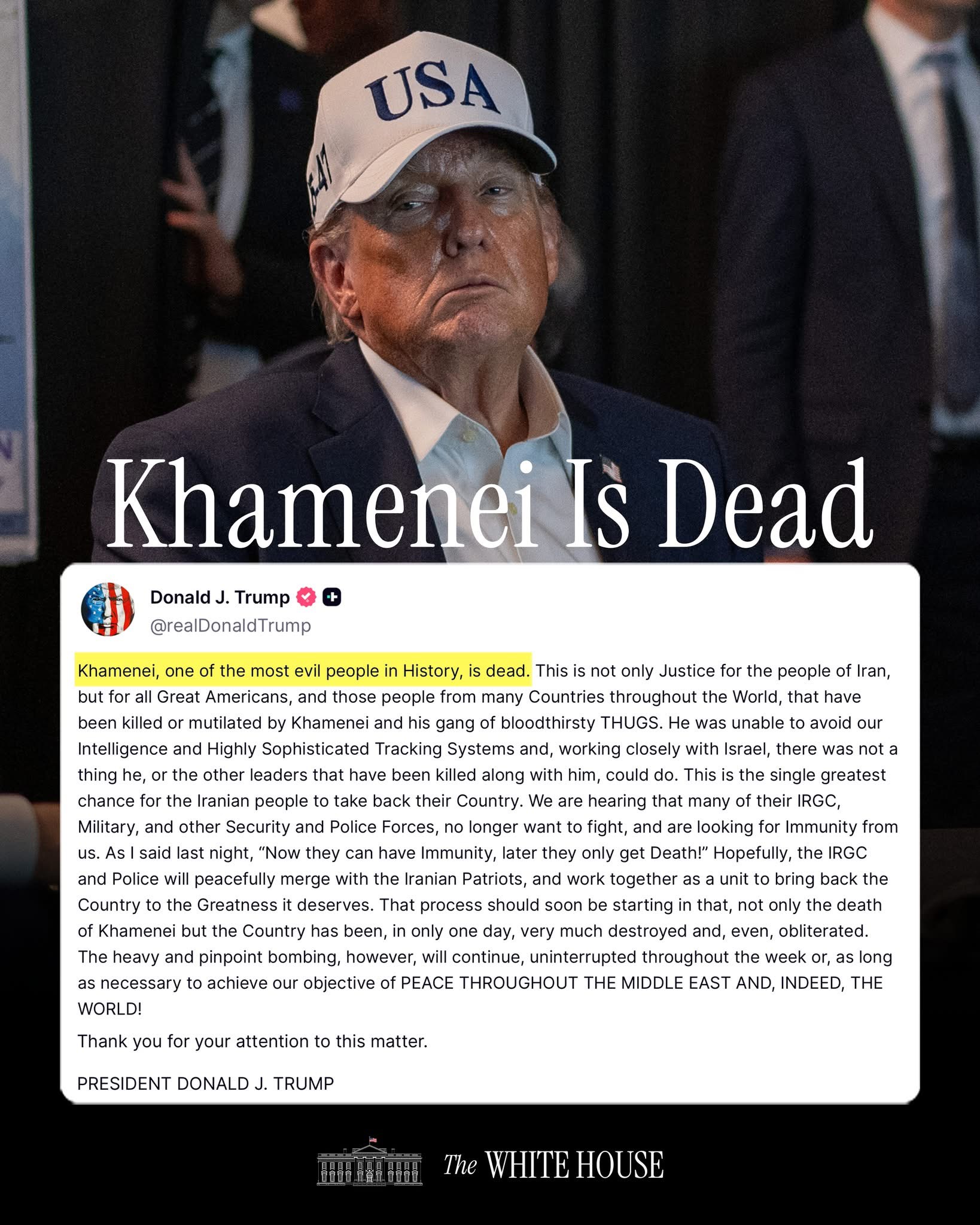


Trump’s full post not only confirmed Khamenei’s death but also called it “the single greatest chance for the Iranian people to take back their Country.” He urged members of Iran’s Islamic Revolutionary Guard Corps (IRGC) and security forces to seek immunity and merge with “Iranian Patriots” to rebuild the nation, warning that continued resistance would lead to further destruction. The president emphasized that the bombing would continue “uninterrupted throughout the week or, as long as necessary to achieve our objective of PEACE THROUGHOUT THE MIDDLE EAST AND, INDEED, THE WORLD!” This rhetoric positions the strikes as a pivotal moment for regime change, echoing Trump’s longstanding hardline stance against Iran.
The Context of the Strikes: A Culmination of Decades-Long Hostilities
The joint US-Israeli airstrikes began early on Saturday, February 28, 2026, targeting 24 provinces across Iran and resulting in at least 201 reported deaths, according to Iranian media citing the Red Crescent. The operation, dubbed “Operation Epic Fury” by US officials, focused on eliminating senior IRGC commanders, officials in Iran’s nuclear program, and key leadership figures, including Khamenei himself. Satellite imagery revealed black smoke rising from Khamenei’s compound in Tehran, indicating significant damage. Israeli Prime Minister Benjamin Netanyahu described the attacks as a success, noting “growing signs” that Khamenei had been eliminated along with other senior figures.
This military action follows a series of escalations. In June 2025, previous US and Israeli strikes had already weakened Khamenei’s regime, sparking widespread protests that began over economic grievances but quickly turned political. Demonstrations spread across all 31 Iranian provinces, with chants of “Death to Khamenei” becoming a rallying cry. The regime’s brutal crackdown resulted in thousands of deaths, reminiscent of the 2022 protests following the death of Mahsa Amini in custody. Iran’s economy has long suffered under Western sanctions, exacerbating internal unrest in a diverse nation of over 90 million people, including Persians, Azeris, Arabs, Baloch, and Kurds.
The strikes prompted immediate Iranian retaliation, with counterattacks on Israel and US military assets in the Middle East. Explosions were reported in Tehran and other cities, leading to disruptions in air travel and heightened alerts across the region. Air Canada, for instance, canceled flights to Israel and Dubai, while the Canadian government advised against travel to several Middle Eastern countries.
Who Was Ayatollah Ali Khamenei? A Legacy of Iron-Fisted Rule
Ayatollah Ali Khamenei, born in 1939, ascended to the position of Supreme Leader in 1989 following the death of Ayatollah Ruhollah Khomeini, the founder of the Islamic Republic. Over nearly four decades, Khamenei wielded ultimate authority over Iran’s political, military, and religious affairs, maintaining an unwavering antipathy toward the United States and Israel. His rule was characterized by strict enforcement of Islamic law, support for proxy militias across the Middle East, and advancement of Iran’s nuclear ambitions, which drew international sanctions and isolation.
Khamenei’s leadership suppressed dissent, with human rights groups documenting widespread executions, torture, and restrictions on freedoms. He was a central figure in Iran’s anti-Western narrative, often chanting “Death to America” in public speeches. Trump’s characterization of him as “evil” aligns with criticisms from Western leaders, who accuse the regime of sponsoring terrorism and human rights abuses. However, within Iran, Khamenei commanded loyalty from hardline factions, particularly the IRGC, which he empowered as a parallel military force.
At 86 years old, Khamenei had not appeared publicly since the strikes, fueling speculation about his fate. Iran’s constitution outlines a succession process involving an Assembly of Experts to appoint a new leader, with an interim council handling duties in the meantime. No clear successor has been identified, raising fears of a power vacuum or a takeover by even more hardline elements.
Iranian Denials and Domestic Reactions: A Nation Divided
Despite Trump’s announcement, Iranian officials vehemently denied Khamenei’s death. State-affiliated news agencies reported that he remained “steadfast and firm in commanding the field.” The foreign minister stated that, “as far as I know,” Khamenei and other top officials were in good health. The head of public relations at Khamenei’s office dismissed the claims as “mental warfare” by enemies. A Foreign Ministry spokesman insisted that both Khamenei and President Masoud Pezeshkian were “safe and sound.”
On the ground, reactions in Iran were mixed but telling. Cheers, applause, and celebrations erupted in parts of Tehran upon hearing the news, with eyewitnesses reporting residents blowing whistles and chanting “Javid Shah” (Long Live the King), a nod to pre-revolutionary sentiments. Videos circulating on social media showed jubilant crowds, reflecting deep-seated resentment toward the regime. However, in diaspora communities, responses ranged from joy to disappointment that Khamenei wouldn’t face trial for alleged crimes. Some Iranians expressed guttural relief, viewing his death as the end of decades of suffering.
Global Reactions: Caution, Condemnation, and Division
World leaders responded with caution, expressing concerns over escalation. The United Nations Security Council held an emergency meeting, where the Secretary-General condemned the attacks as a “grave threat to international peace,” warning of uncontrollable consequences in a volatile region. European nations, including Britain, France, and Germany, issued a joint statement condemning Iranian retaliatory strikes but refrained from directly criticizing the US-Israeli action.
In the Middle East, governments like Saudi Arabia, Morocco, Jordan, and the UAE denounced Iran’s attacks on regional allies while remaining silent on the initial strikes. The Arab League called Iran’s actions a “blatant violation of sovereignty.” Allies of Iran, such as Russia and China, were more critical. Russia labeled the US-Israeli strikes a “preplanned and unprovoked act of armed aggression,” while China expressed “deep concern” and urged restraint without outright condemnation. Australia and Canada openly supported the US actions.
In the US, the announcement drew polarized responses. Some critics condemned the strikes, while others viewed it as a necessary step against a longstanding adversary.
Potential Implications: Regime Change, Regional Stability, and Beyond
If confirmed, Khamenei’s death could precipitate a regime collapse or internal power struggle, potentially leading to a more hardline IRGC-dominated government. Trump’s call for uprising echoes historical interventions, like the 1953 US-backed coup against Mohammad Mossadegh, which fueled anti-American sentiment in Iran. Analysts warn of risks: a power vacuum might empower extremists or lead to civil war, destabilizing the Middle East further.
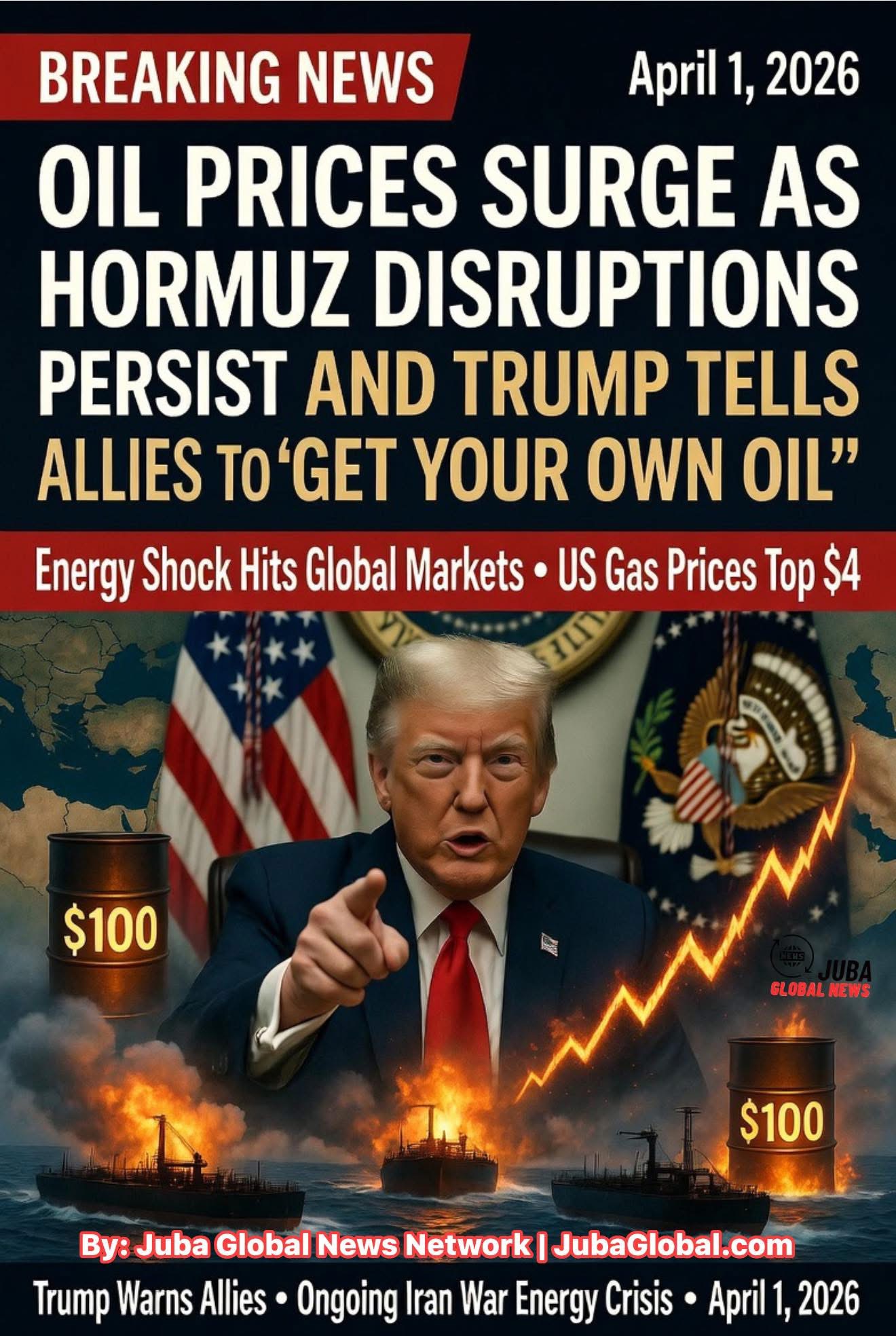
Economically, oil prices surged amid fears of disrupted supplies, and global markets braced for volatility. For the US, this operation underscores Trump’s “America First” policy, prioritizing national security over diplomacy. However, without concrete evidence from Israel or the US, doubts persist, and Iran’s denials could prolong uncertainty.
As the situation unfolds, the world watches closely. Trump’s statement may mark the end of an era—or the spark of greater conflict. Verification of Khamenei’s fate will be crucial in determining the path forward for Iran and the international community.