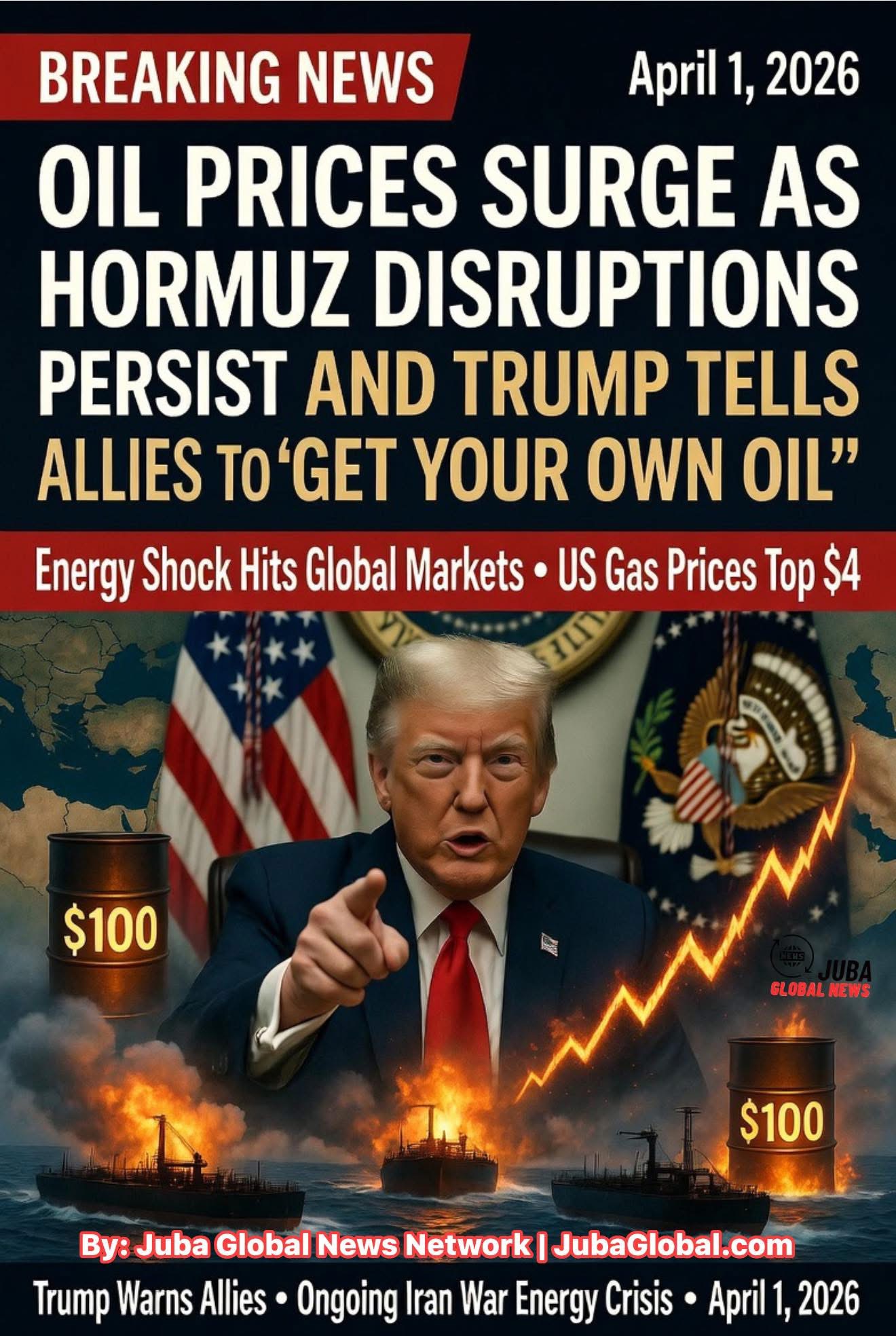
Trump’s 2026 State of the Union: Defending Tariffs, Confronting Iran, and Rallying for Midterms Amid Domestic and Global Headwinds

On the evening of February 24, 2026, President Donald Trump delivered his first official State of the Union address of his second term to a joint session of Congress in the U.S. Capitol. Broadcast live across major networks starting around 9 p.m. ET, the primetime speech—expected to run long, consistent with Trump’s style—served as a high-stakes platform to tout early accomplishments, defend controversial policies, and set the tone for Republicans heading into the November midterm elections.
The address came at a pivotal moment: just hours after a 10% global import tariff took effect as a workaround to a recent Supreme Court ruling striking down broader emergency tariffs, amid escalating tensions with Iran, economic concerns, and a polarized nation where polls show disapproval ratings edging higher than approval for the president.
Setting the Stage: Challenges and Expectations
Trump entered the chamber facing a divided Congress and a skeptical public. Recent surveys indicate voter frustration with inflation, cost-of-living pressures, and the immediate impacts of new trade policies. The Supreme Court’s 6-3 decision last week invalidated key tariff authorities under the International Emergency Economic Powers Act (IEEPA), forcing the administration to pivot to a temporary 10% surcharge under Section 122 of the Trade Act. Trump had threatened to raise it to 15% “immediately,” but the rollout stuck at 10% for now, with warnings of further escalation.
Foreign policy loomed large, particularly Iran. With U.S. military assets building up in the region and reports of potential strikes or proxy confrontations, Trump has repeatedly pressured Tehran to abandon its nuclear ambitions—without ruling out force. Domestic priorities like immigration enforcement, deregulation, energy dominance, and “law and order” were also expected to feature prominently, as the administration seeks to reframe economic struggles as holdovers from the prior Biden era.
The speech, lasting over an hour in line with Trump’s previous marathon addresses, aimed to rally the Republican base while appealing to swing voters worried about affordability and security. Virginia Gov. Abigail Spanberger, a vocal Trump critic and recent Democratic gubernatorial winner, delivered the official Democratic response, highlighting concerns over economic risks and foreign policy brinkmanship.
Key Themes from the Address
Trade and Tariffs: “The Greatest Thing for Our Country”
Trump devoted significant time to defending his trade agenda, framing the new 10% global tariffs as essential leverage to protect American workers and correct decades of unfair deals. He lambasted the Supreme Court ruling as “activist overreach” and “anti-American,” praising the dissenting justices while vowing to push Congress for permanent tools to combat trade imbalances.
The president highlighted exemptions for critical goods and allies, insisting the tariffs would force better negotiations rather than spark inflation. He pointed to recent job gains in manufacturing and energy as evidence that “America First” economics are working, blaming lingering high prices on “Biden’s reckless spending.” Trump warned trading partners against retaliation, promising swift countermeasures if needed.
Iran and National Security: Warnings and Resolve
Amid reports of U.S. carrier groups near the Persian Gulf and internal Iranian instability, Trump issued stark warnings to Tehran. He reiterated demands for the complete dismantlement of Iran’s nuclear program, accusing the regime of sponsoring terrorism and destabilizing the Middle East. While not announcing new military actions, he emphasized readiness to use “all options” to prevent a nuclear-armed Iran, tying it to broader “America First” foreign policy that prioritizes U.S. strength over endless alliances.
The president contrasted this with what he called “weak” prior administrations, claiming his approach has deterred aggression and protected American interests.
Domestic Agenda: Immigration, Economy, and Midterms
On immigration, Trump touted aggressive enforcement, including mass deportations and border security measures, as restoring “law and order.” He linked these to economic benefits, arguing reduced illegal immigration would ease wage pressures and public resource strains.
Economically, the speech emphasized deregulation, energy independence (“drill, baby, drill”), and tax cuts as drivers of growth. Trump highlighted job creation, falling energy prices in some sectors, and efforts to cut “waste, fraud, and abuse” in government. He positioned the midterms as a referendum on continuing these policies versus a return to “radical left” governance.
Polarization and Optics
The address unfolded in a deeply divided atmosphere. Republican lawmakers cheered vigorously on trade and security points, while Democrats sat mostly silent or offered muted applause on select issues. No dramatic gestures like the 2020 paper-tearing incident occurred, but the partisan split was evident throughout.
Reactions and Implications
Immediate reactions were predictable: supporters hailed it as “strong leadership” and a blueprint for American resurgence, while critics decried it as divisive, economically risky, and overly confrontational on Iran. Markets showed mild volatility in after-hours trading, with importers wary of tariff fallout.
As midterms approach, the speech served as a test run for Republican messaging—focusing on strength, sovereignty, and blame-shifting to predecessors. Whether it sways skeptical voters or galvanizes the base remains to be seen, but in a polarized country facing trade shocks, geopolitical risks, and economic unease, Trump’s 2026 State of the Union underscored that his agenda remains unapologetically bold—and contentious.