Trump Signals Potential US Exit from Iran War Within Two to Three Weeks, Prepares National Address Amid Ongoing Strikes and Global Energy Crisis
By Juba Global News Network | JubaGlobal.com

April 1, 2026
In a significant development that could reshape the month-long conflict in the Middle East, US President Donald Trump has indicated that American military involvement in the war against Iran may conclude within the next two to three weeks, regardless of whether a formal diplomatic deal is reached with Tehran. The announcement comes as the White House confirmed that Trump will deliver a prime-time national address on Wednesday evening (April 1, 2026, at 9 p.m. ET) to provide what officials describe as an “important update” on the Iran situation.
Speaking to reporters from the Oval Office on Tuesday, President Trump stated that the US would be “leaving very soon” and estimated the timeline at “two weeks, maybe three.” He emphasized that a negotiated agreement with Iran is no longer a prerequisite for winding down US operations. “They don’t have to make a deal… it’s irrelevant now,” Trump remarked, adding that the primary objective — severely degrading Iran’s capacity to develop nuclear weapons — had largely been achieved through sustained US and Israeli strikes.
Background of the Conflict
The 2026 Iran War, which erupted on February 28 with a massive wave of nearly 900 joint US-Israeli airstrikes under the US codename Operation Epic Fury, has entered its second month. The initial strikes targeted Iranian missile bases, air defenses, military infrastructure, and leadership sites, resulting in the reported death of Supreme Leader Ali Khamenei and numerous senior officials. Iran responded with ballistic missile barrages and drone attacks across the region, hitting targets in Israel, US bases, and Gulf states.
Since then, combined US and Israeli operations have focused on systematically degrading Iran’s military capabilities. Strikes have repeatedly hit underground missile complexes (such as the Yazd Missile Base), defense industrial sites, steel production facilities supporting the war effort, naval infrastructure, and air defense systems. Iranian retaliation has included missile launches toward Israel and proxy actions by groups like the Houthis, while the closure or severe disruption of the Strait of Hormuz has triggered a global energy shock.
Casualty figures remain contested. US and Israeli sources report thousands of Iranian military deaths and the destruction of hundreds of missile launchers and naval vessels. Iranian and independent monitors cite significant civilian tolls, including strikes near populated areas. The US has acknowledged limited American casualties, while the broader regional fallout has displaced millions and escalated tensions in Lebanon and the Gulf.
Trump’s Shifting Timeline and Objectives
Earlier in the conflict, President Trump had suggested the campaign might last “four to five weeks.” With roughly five weeks now elapsed, his latest comments represent a refined — and potentially optimistic — projection. Administration officials have stressed that the goal remains ensuring Iran cannot reconstitute a nuclear weapons program “for years,” even as Trump has offered contradictory visions of post-conflict governance in Iran, ranging from regime collapse to a weakened but intact power structure.
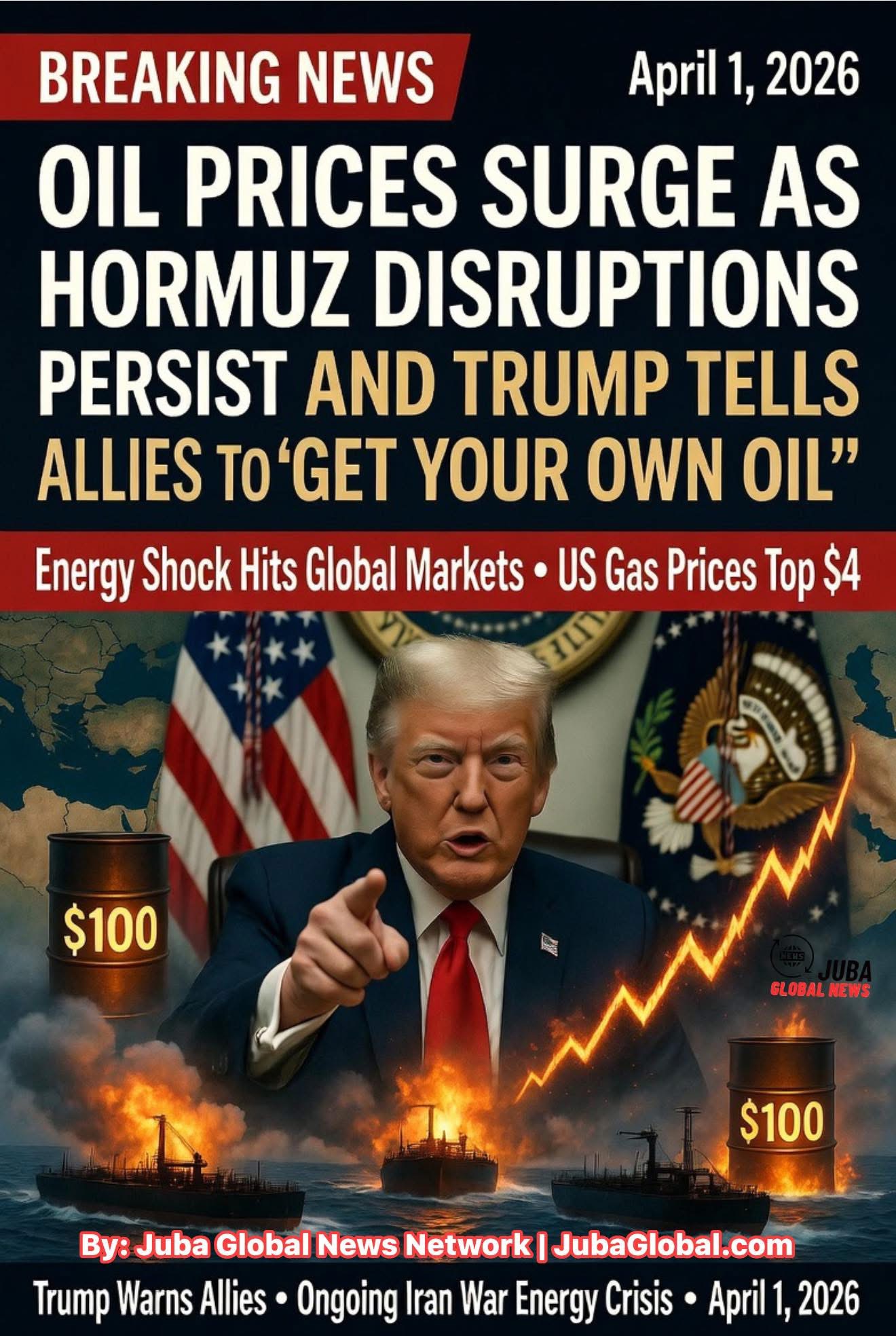
In his Tuesday remarks, Trump also addressed the economically painful fallout from the war. Global oil prices have surged, with Brent crude fluctuating near or above $100 per barrel at times, and US national average gasoline prices climbing above $4 per gallon for the first time since 2022. The president bluntly told allies facing energy shortages to “get your own oil,” declaring that securing the Strait of Hormuz after a US exit would not be America’s responsibility.
“You’ll have to start learning how to fight for yourself,” Trump said. “The U.S.A. won’t be there to help you anymore, just like you weren’t there for us. Iran has been, essentially, decimated. The hard part is done. Go get your own oil!”
This stance has raised concerns among Gulf allies, some of whom have privately urged Washington to maintain pressure on Iran even as US forces potentially draw down. European leaders and NATO partners have also expressed unease, especially with reports that Trump is considering broader questions about US commitments, including to the alliance itself.
What to Expect in the National Address
White House Press Secretary Karoline Leavitt confirmed the address without providing specific details beyond it being an “important update on Iran.” Analysts speculate Trump may outline:
• Progress achieved in degrading Iranian nuclear and missile capabilities
• Conditions for a full US withdrawal
• Expectations for allies and regional actors in the post-US phase
• Measures to mitigate domestic economic impacts, particularly on American consumers facing higher fuel costs
The timing coincides with an April 6 deadline Trump had previously referenced for Iran to respond to US demands. Markets reacted with some optimism on Tuesday, with stocks rallying and oil prices easing slightly on hopes of reduced uncertainty. However, experts caution that a US exit does not necessarily mean the end of the wider conflict. Iran could continue asymmetric operations through proxies, while Israel may sustain its own campaign to secure borders and neutralize threats from Hezbollah and other groups.
Regional and Global Implications
The potential US drawdown raises critical questions:
Strait of Hormuz: Iran has exerted control over the vital chokepoint, disrupting roughly 20% of global oil trade. Reopening or securing it without major US naval involvement could prove challenging and risky, potentially involving European, Gulf, or even Chinese efforts.
Proxy Wars: Hezbollah in Lebanon, Houthis in Yemen, and other Iran-aligned militias have intensified activities. Recent strikes in Beirut, southern Lebanon, and Gulf targets illustrate how the conflict continues to spill over.
Energy and Economy: Prolonged disruption has already strained global supply chains. US drivers and industries are feeling the pinch, while developing nations face even steeper challenges.
Nuclear Question: Even if Iran’s program has been set back, verification and long-term prevention remain unresolved. Some observers view recent strikes on nuclear-related sites as possible “endgame” actions signaling a wind-down.
Geopolitical Shifts: A faster US exit could embolden critics who argue the campaign achieved limited strategic gains at high cost, while supporters claim it delivered a decisive blow to Iran’s destabilizing ambitions.
Reactions and Analysis
International responses have been mixed. Some Gulf states worry about a power vacuum or renewed Iranian assertiveness. Israeli officials have emphasized that their operations against Iranian-backed threats will continue independently if needed. Iranian state media has portrayed Trump’s comments as an admission of failure, while hardliners vow continued resistance.
Defense analysts note that while US air and naval superiority has allowed sustained strikes with relatively low American losses, ground operations — which Trump has so far avoided on a large scale — would dramatically raise risks. With additional Marines and airborne units recently deployed to the region, the option for limited ground actions (such as securing key oil assets like Kharg Island) remains on the table but appears less likely if the president sticks to the two-to-three-week timeline.
Domestically, the address comes as Americans grapple with higher gas prices and war fatigue. Polling suggests mixed views: many support degrading Iran’s nuclear threat, but few favor a prolonged entanglement.
Looking Ahead
As the world awaits President Trump’s national address tonight, uncertainty lingers over whether the two-to-three-week horizon marks a genuine off-ramp or another recalibrated expectation in a fluid conflict. The coming days and weeks will test whether US military objectives have truly been met, whether Iran can be deterred from rebuilding its capabilities, and how the international community will manage the dangerous aftermath in one of the world’s most volatile regions.
Juba Global News Network will provide live coverage and analysis of the presidential address. Stay tuned to JubaGlobal.com for real-time updates, expert commentary, and the latest developments from Washington, Tehran, Jerusalem, and beyond