The Death of Ayatollah Ali Khamenei: A Seismic Shift in Iran’s Regime and the Middle East

In a dramatic escalation of tensions in the Middle East, Iran’s Supreme Leader Ayatollah Ali Khamenei was killed on February 28, 2026, in a joint US-Israeli airstrike operation. The 86-year-old cleric, who had ruled Iran with an iron fist for 37 years, perished alongside several family members, including his daughter, son-in-law, and granddaughter. This event, confirmed by Iranian state media and celebrated by US President Donald Trump as an act of “justice,” marks one of the most significant geopolitical developments in recent history, potentially heralding regime change in Tehran and broader regional instability.
Khamenei’s death was announced amid a barrage of strikes that targeted key Iranian military, nuclear, and governmental sites. Iranian outlets described his passing as “martyrdom,” declaring a 40-day national mourning period and seven days of public holidays. The strikes, part of a coordinated effort to dismantle Iran’s nuclear ambitions and topple its theocratic leadership, were dubbed a major operation by US and Israeli sources.
Khamenei’s Legacy: From Revolution to Repression
Born in 1939 in Mashhad, Iran, Ali Khamenei rose through the ranks of the Islamic Revolution that overthrew the Shah in 1979. He served as Iran’s president from 1981 to 1989 before succeeding Ayatollah Ruhollah Khomeini as Supreme Leader in 1989. Under his stewardship, Iran pursued an aggressive foreign policy, supporting proxy groups like Hezbollah in Lebanon, Hamas in Gaza, and the Houthis in Yemen. Domestically, Khamenei oversaw a regime marked by strict Islamic governance, suppression of dissent, and economic isolation due to international sanctions over its nuclear program.
Khamenei’s rule was characterized by anti-Western rhetoric, particularly against the United States, which he famously dubbed the “Great Satan,” and Israel, the “Little Satan.” His policies included advancing Iran’s ballistic missile program and enriching uranium to near-weapons-grade levels, actions that repeatedly brought the country to the brink of conflict. In recent years, health rumors swirled around the aging leader, with speculation about his son Mojtaba Khamenei as a potential successor. However, the airstrikes disrupted any orderly transition, leaving a power vacuum in Tehran.
The Strikes: A Coordinated Assault on Tehran
The operation began in the predawn hours of February 28, 2026, with explosions rocking Tehran and other key sites across Iran. Khamenei was targeted at his office compound in central Tehran, where he was killed instantly along with close aides. US and Israeli forces launched missiles and airstrikes aimed at impeding Iran’s nuclear and missile programs, as well as decapitating its leadership.
Eyewitness accounts from Tehran described scenes of chaos: long lines at bakeries and gas stations as residents stockpiled essentials, traffic jams clogging the streets, and parents rushing to collect children from schools. The Iranian Red Crescent reported significant casualties in the initial wave of attacks. Among the high-profile losses were IRGC Commander Mohammad Pakpour and top advisor Ali Shamkhani, both confirmed dead by Iranian media.
President Trump announced Khamenei’s death on his Truth Social platform, stating that the Supreme Leader was unable to evade US intelligence and tracking systems. Trump described Khamenei as “one of the most evil people in history” and urged Iranians to seize the moment for freedom, promising continued heavy and pinpoint bombing throughout the week.
Israeli Prime Minister Benjamin Netanyahu echoed these sentiments, calling on Iranians to rise against the regime. Sources indicated that the strikes also targeted Iran’s President Masoud Pezeshkian, though he was reported safe in some accounts.
Family Tragedies: The Human Cost
The strikes claimed not only Khamenei but also members of his immediate family. Iranian state media, including outlets linked to the IRGC, confirmed the deaths of his daughter, son-in-law, daughter-in-law, and granddaughter. Reports varied slightly on additional relatives, but the core losses were consistently described as devastating to the Khamenei household.
This personal toll has been highlighted in emotional broadcasts on Iranian state TV, where anchors broke down in tears while announcing the “martyrdom” of the Supreme Leader and his kin. One anchor sobbed, describing the attacks as “criminal” acts by the US and Israel. The deaths have fueled narratives of sacrifice among regime loyalists, but they also underscore the precision and ruthlessness of the operation.
Iran’s Response: Vows of Retaliation and Internal Turmoil
Iran’s military leadership, including the Islamic Revolutionary Guard Corps (IRGC), has vowed the “most devastating” retaliation. Missiles have already been launched toward Israeli and US targets in the region, including bases in several Gulf states. The IRGC described the strikes as an existential threat, promising a fierce offensive.
Internally, the regime faces a succession crisis. Under Iran’s constitution, a temporary council comprising the president, judiciary head, and a Guardian Council jurist assumes duties until the Assembly of Experts appoints a new Supreme Leader. Mojtaba Khamenei was seen as a frontrunner, but the power vacuum could lead to infighting among hardliners, moderates, and military factions.
On the streets of Tehran, reactions are mixed: fear dominates, with panic-buying and evacuations, but some express quiet hope for change. Social media posts from Iranians abroad celebrate the event, while inside the country, state-controlled narratives emphasize unity and revenge. Videos have emerged showing some people celebrating in the streets following the announcement.
Global Reactions and Economic Ripples
The international community has reacted with a mix of condemnation and cautious support. Arab states long adversarial to Iran have remained largely silent but are reportedly bolstering defenses against potential reprisals. Russia and China, Iran’s allies, have denounced the strikes as aggression, warning of escalation.
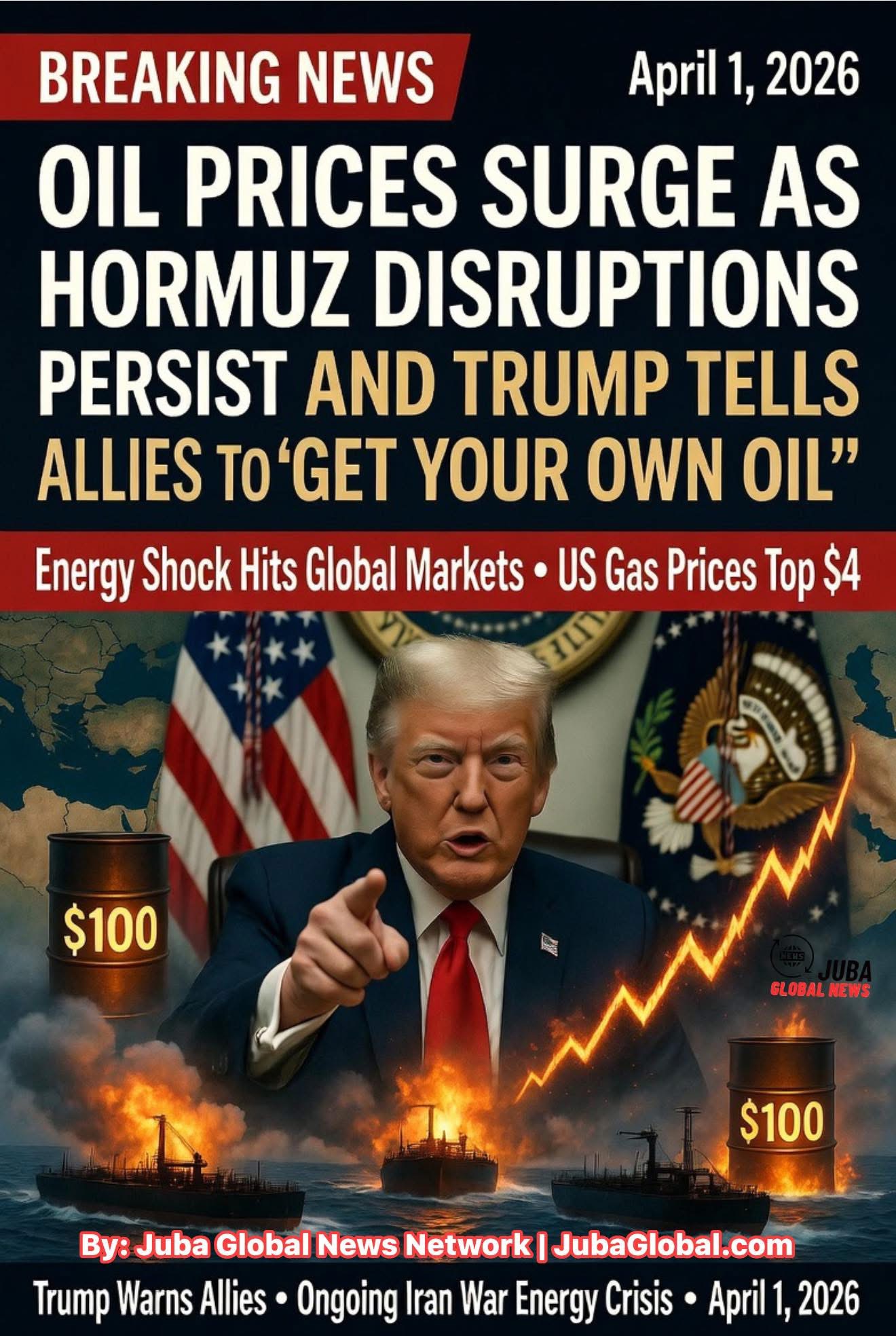
Financial markets have been volatile, with investors seeking safe havens amid geopolitical uncertainty. Oil prices spiked due to fears of disrupted supplies from the Strait of Hormuz.
Implications for the Future: Regime Change or Wider War?
Khamenei’s assassination represents a bold move by the US and Israel, aiming for regime change in a nation that has defied Western pressure for decades. If successful, it could weaken Iran’s support for regional proxies, easing pressures on Israel and US allies. However, it risks igniting a broader conflict, with Iranian missiles in flight and proxies potentially mobilizing.
As Iran mourns and plots its next moves, the world watches a pivotal moment unfold. The death of Khamenei and his family not only ends an era but could redefine the Middle East’s power balance for generations. The coming days will reveal whether this strike leads to liberation or further bloodshed.