The content remains comprehensive and up-to-date based on the latest reports as of March 1, 2026.
Breaking: Former Iranian President Mahmoud Ahmadinejad Killed in US-Israeli Strikes on Iran
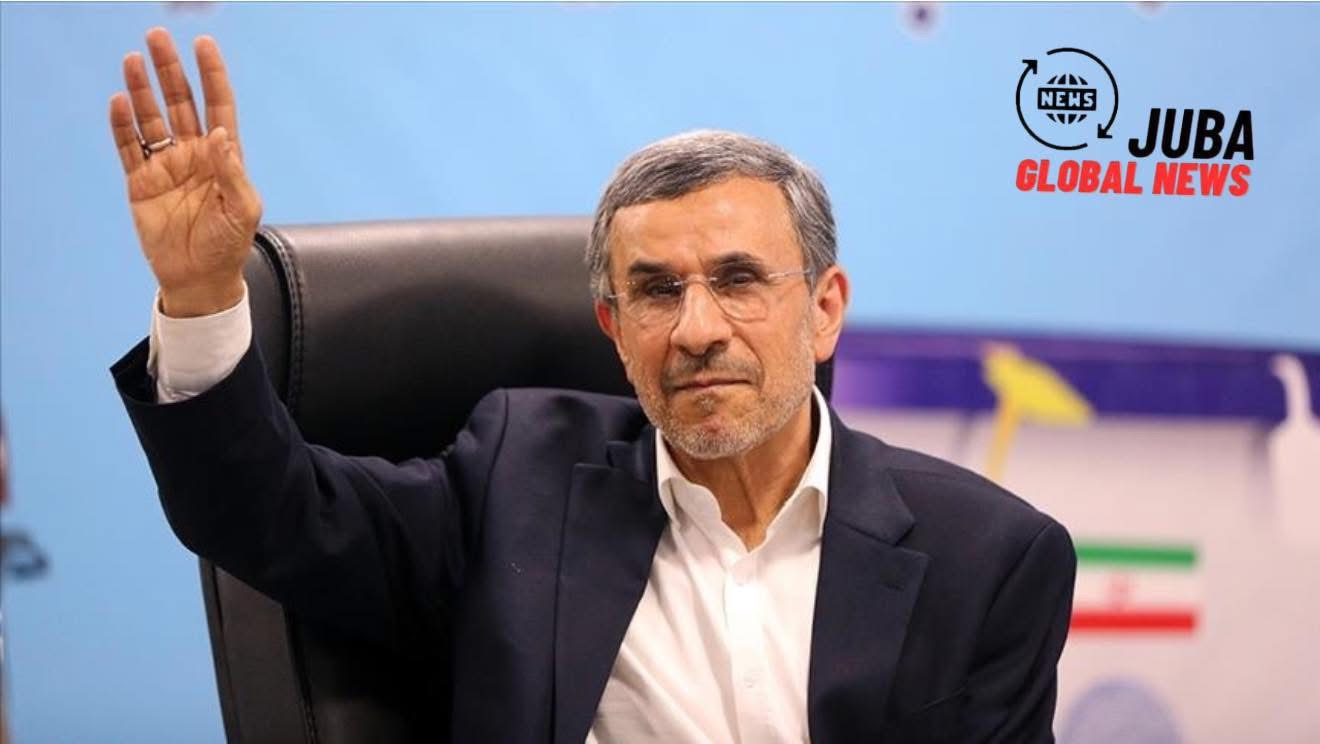
In a stunning escalation of tensions in the Middle East, former Iranian President Mahmoud Ahmadinejad has been reported killed in joint American and Israeli airstrikes targeting key sites in Tehran. The news, confirmed by Iranian state media and echoed across international outlets, marks a significant blow to Iran’s political landscape amid what appears to be a coordinated military operation against the Islamic Republic’s leadership. Ahmadinejad, who served as Iran’s president from 2005 to 2013, was at his residence in the Narmak neighborhood of northeast Tehran when the strike occurred late on February 28, 2026. Several bodyguards were also killed in the attack, according to reports from the Iranian Labor News Agency (ILNA).
This incident comes on the heels of the reported assassination of Iran’s Supreme Leader Ayatollah Ali Khamenei in similar strikes, further intensifying the chaos in the region. As explosions rocked cities like Doha and Dubai, Iran’s Revolutionary Guard has threatened a massive retaliatory offensive, signaling the potential for a broader conflict. The strikes, which began on February 28, have targeted high-profile figures, including Defense Minister Aziz Nasirzadeh, senior adviser Ali Shamkhani, and the head of the Islamic Revolutionary Guard Corps, Mohammad Pakpour. Israeli Prime Minister Benjamin Netanyahu has hinted at the success of these operations in a televised address, though official confirmation from Tehran remains limited.
Who Was Mahmoud Ahmadinejad?
Mahmoud Ahmadinejad, born on October 28, 1956, in Aradan, Iran, rose from humble beginnings to become one of the most controversial figures in modern Iranian politics. A civil engineer by training, he entered public service as the governor of Ardabil Province before serving as the mayor of Tehran from 2003 to 2005. His presidency, spanning two terms from 2005 to 2013, was marked by hardline conservative policies, aggressive rhetoric against the West, and a staunch defense of Iran’s nuclear program.
Ahmadinejad’s tenure was defined by his populist appeal to Iran’s working class, promising economic reforms and anti-corruption measures. However, his administration faced international isolation due to Iran’s uranium enrichment activities, which many Western nations viewed as a precursor to nuclear weapons development. He famously denied the Holocaust and called for Israel to be “wiped off the map,” statements that cemented his reputation as one of Israel’s most vocal adversaries. Domestically, his re-election in 2009 sparked massive protests amid allegations of voter fraud, leading to a brutal crackdown that drew global condemnation.
Post-presidency, Ahmadinejad remained a polarizing figure. He attempted political comebacks, including registering for presidential elections in recent years, but was often barred by Iran’s Guardian Council. Despite falling out with the current regime, he continued to criticize economic policies and maintained a public profile through social media and interviews. His residence in Narmak, a modest neighborhood, symbolized his self-styled image as a man of the people.
Details of the Strikes and the Broader Campaign
The airstrikes that claimed Ahmadinejad’s life were part of a larger operation launched by the United States and Israel on February 28, 2026. According to reports, Israeli forces bombarded multiple sites in Tehran, focusing on gatherings of senior officials and military leaders. Ahmadinejad’s home was hit by a missile, resulting in the deaths of him and his close aides. Video footage from the aftermath shows significant destruction in residential areas, with rubble-strewn streets and emergency responders sifting through debris.
This operation appears to be a decapitation strike aimed at Iran’s top echelons, with Israeli media describing it as targeting “bitter enemies” of the state. The involvement of the U.S. has been confirmed through various reports, though the White House has yet to issue an official statement. President Trump’s administration has warned Iran against retaliation, emphasizing that any counterattacks would be met with overwhelming force.
Social media platforms, particularly X (formerly Twitter), have been abuzz with real-time updates. Posts from various outlets and users have shared images and confirmations of Ahmadinejad’s death, amplifying the news globally. One widely circulated claim noted that the strikes have effectively “wiped out the whole leadership from the last 30 years,” highlighting the scale of the losses.
International Reactions and Iran’s Response
The international community has reacted with a mix of shock and concern. Israeli officials have framed the strikes as necessary self-defense against Iran’s ongoing threats, including support for proxy groups like Hezbollah and Hamas. In contrast, Iranian media has decried the attacks as “Zionist aggression” backed by American imperialism. Pro-regime outlets have mourned Ahmadinejad as a martyr, with reports stating the nation must live with this loss.
From Washington, President Trump has issued fresh warnings to Tehran, underscoring the U.S.’s commitment to its ally Israel. European leaders have called for de-escalation, while Russia and China have condemned the strikes as violations of international law. In the Arab world, reactions are divided: some Gulf states quietly support the weakening of Iran, while others fear regional instability.
Iran’s Islamic Revolutionary Guard Corps (IRGC) has vowed revenge, promising its “most intense offensive operation” in response. Reports of fresh explosions in Doha and Dubai suggest that retaliatory actions may already be underway, potentially targeting U.S. interests or Israeli assets in the region.
Geopolitical Implications
The elimination of Ahmadinejad, alongside other key figures, could profoundly alter Iran’s internal dynamics. As a former president with lingering influence among hardliners, his death may exacerbate power struggles within the regime, especially following Khamenei’s reported killing. This vacuum might lead to increased factionalism or even civil unrest, as seen in past protests.
On a broader scale, these strikes represent a high-stakes gamble by the U.S. and Israel to dismantle Iran’s nuclear ambitions and proxy networks. However, they risk igniting a full-scale war, drawing in allies like Russia and potentially disrupting global oil supplies. The Middle East, already fraught with conflicts in Gaza and Lebanon, now faces an unprecedented crisis.
Analysts suggest this could be a turning point, forcing Iran to reconsider its aggressive posture or pushing it toward desperate measures, such as closing the Strait of Hormuz. The coming days will be critical in determining whether diplomacy can prevail or if the region descends into further violence.
Legacy and Final Thoughts
Mahmoud Ahmadinejad’s legacy is one of defiance and division. To his supporters, he was a champion of Iranian sovereignty; to critics, a symbol of repression and extremism. His death in these strikes underscores the volatile nature of Middle Eastern politics, where personal fates intertwine with geopolitical maneuvers.
As the world watches, the full ramifications of this event remain unclear. What is certain is that the strikes have reshaped the balance of power, leaving Iran reeling and the international community on edge. Stay tuned for updates as this story develops.