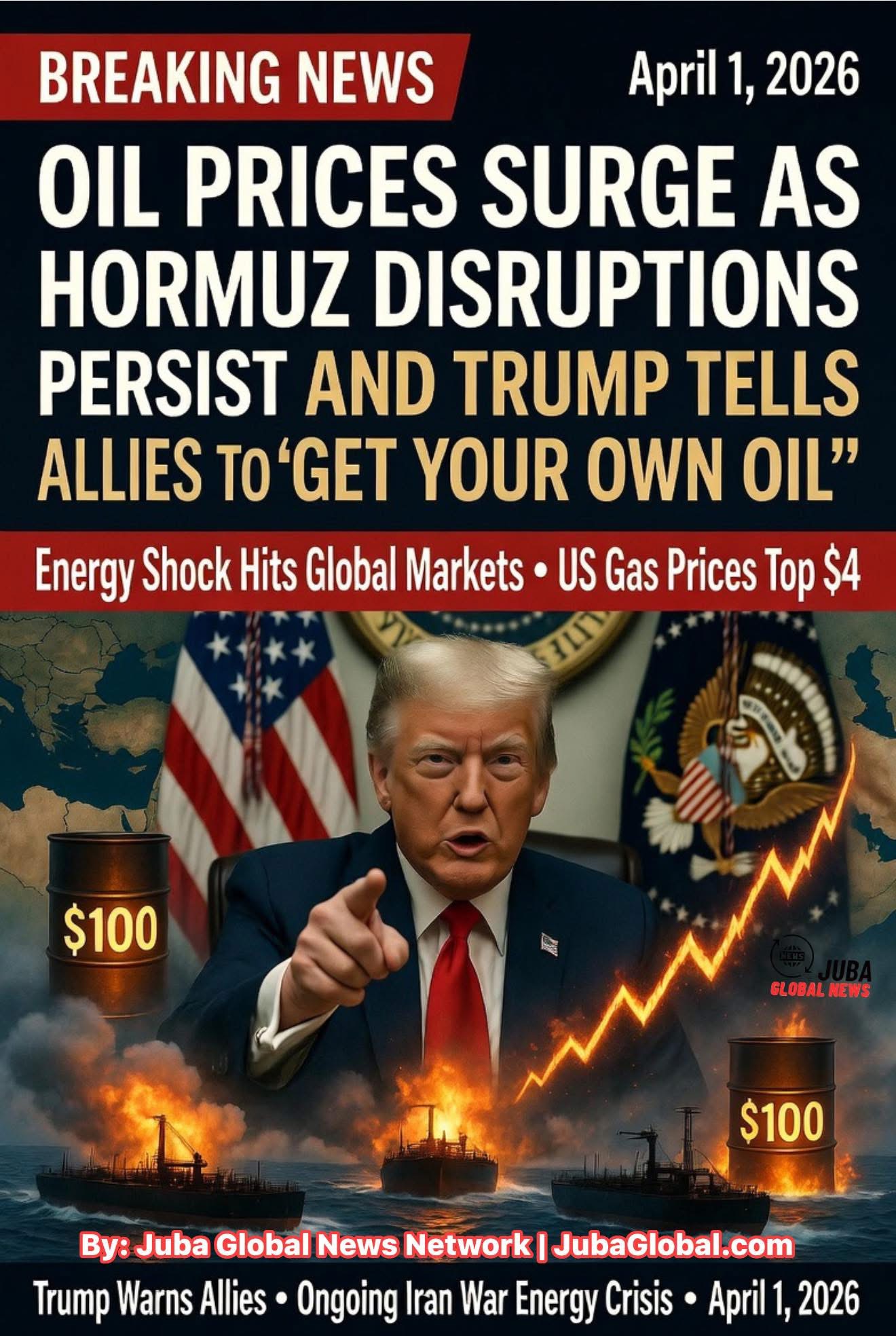
Protests Erupt in Jammu and Kashmir Over Khamenei’s Killing and US-Israel Strikes
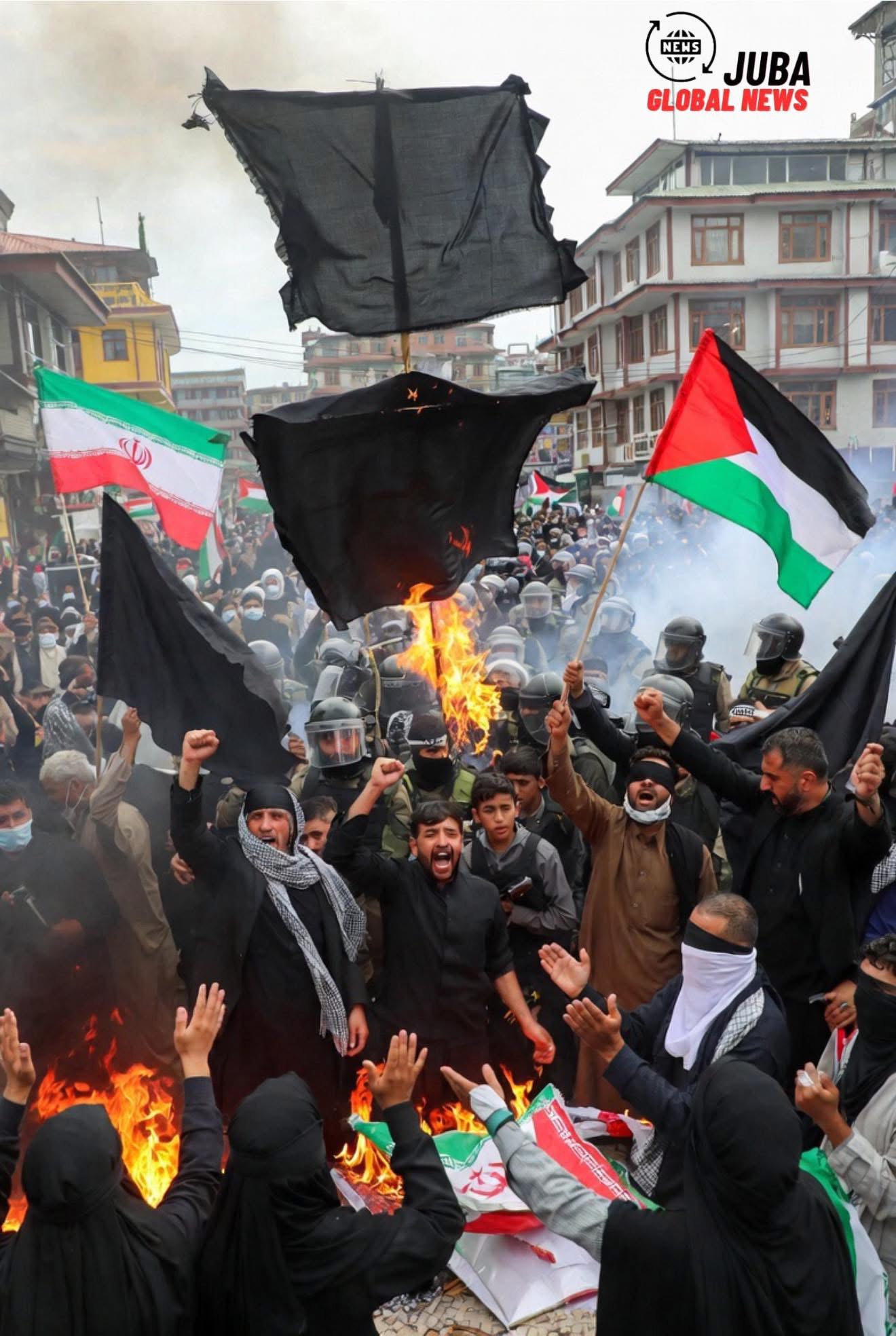
In the Kashmir Valley and parts of Jammu, large-scale protests erupted for a second consecutive day on March 2, 2026, as thousands took to the streets to condemn the assassination of Iran’s Supreme Leader Ayatollah Ali Khamenei and the ongoing US-Israel military campaign against Iran. The demonstrations—marked by black flags, burning effigies of US President Donald Trump and Israeli Prime Minister Benjamin Netanyahu, and chants of “Death to America, Death to Israel”—represent one of the most visible expressions of solidarity with Iran in South Asia since the conflict began on February 28.
The protests highlight how the decapitation strike that killed Khamenei has reverberated far beyond the Middle East, igniting religious, political, and anti-imperialist sentiments in Muslim-majority regions of India, particularly in Jammu and Kashmir, where Shiite communities and pro-Palestine/anti-Western sentiment have long intersected.
Trigger and Scale of Demonstrations
The spark came immediately after Iranian state media confirmed Khamenei’s death in a precision missile strike on his Tehran compound. Within hours, calls for protests circulated through mosques, social media, and local political networks in Srinagar, Baramulla, Anantnag, Shopian, and parts of south Kashmir.
By March 1 (Day 2 of the conflict):
- Thousands gathered in Srinagar’s historic Lal Chowk and Maisuma areas, waving Iranian flags alongside Palestinian and Hezbollah banners.
- Protesters burned US and Israeli flags and portraits of Trump and Netanyahu while chanting “Khamenei shaheed hai, hum sab shaheed hain” (“Khamenei is a martyr, we are all martyrs”).
- In several towns, shutdowns (bandhs) were observed, with shops closed and public transport halted.
On March 2 (Day 3), the protests intensified:
- In Srinagar, an estimated 10,000–15,000 people marched from Jamia Masjid toward the city center despite heavy security deployment.
- Clashes occurred in Baramulla and Sopore when police used tear gas and pellet guns to disperse crowds attempting to march toward sensitive administrative areas.
- In Jammu city, smaller but vocal protests were held by Shiite organizations and student groups near the old city.
Local news outlets and social media footage showed black-clad mourners performing funeral prayers (namaz-e-janaza) in absentia for Khamenei, with clerics delivering fiery sermons framing the assassination as an attack on the entire Muslim ummah.
Drivers of Outrage in Kashmir
Several factors explain why the killing of Khamenei—a figure not directly tied to Kashmir—provoked such strong reaction:
- Shiite Community Solidarity — Jammu and Kashmir has a significant Shiite population (estimated 10–15% in the Valley), particularly in areas like Budgam, Kargil, and parts of Srinagar. Khamenei was widely revered as the spiritual and political leader of global Shiism.
- Anti-US/Israel Sentiment — Decades of perceived Western support for Israel, combined with India’s growing defense ties with Israel and the US, have fueled resentment. Many protesters view the strikes as part of a broader “Zionist-imperialist” agenda.
- Regional Proxy Dynamics — Iran has long provided moral and occasional material support to anti-India militant groups and pro-Kashmir causes through proxy channels. The killing is seen by some as weakening a key voice for Muslim causes globally.
- Domestic Political Vacuum — With mainstream political activity curtailed since the 2019 revocation of Article 370, religious congregations and Friday prayers have become primary outlets for political expression.
Security Response and Official Reaction
Indian authorities responded with a heavy security blanket:
- Curfew-like restrictions were imposed in sensitive areas of Srinagar and Baramulla.
- Internet services were throttled or suspended in several districts to limit coordination.
- Paramilitary forces (CRPF) and Jammu & Kashmir Police were deployed in strength, leading to at least 20 reported injuries from pellet guns and tear-gas shells.
The Indian Ministry of External Affairs issued a restrained statement:
“India respects the sovereignty of all nations and calls for de-escalation and dialogue in the region. We are closely monitoring the situation and ensuring law and order is maintained.”
No senior Indian political leader has publicly commented on Khamenei’s killing or the protests, reflecting New Delhi’s delicate balancing act: maintaining strong ties with the US and Israel while avoiding alienating domestic Muslim sentiment.
Broader Regional Ripples
The Kashmir protests are not isolated. Similar demonstrations occurred in:
- Pakistan (Lahore, Karachi, Quetta)
- Parts of Iraq and Lebanon (Shiite strongholds)
- Indonesia and Malaysia (smaller solidarity marches)
They underscore how the US-Israel operation has galvanized transnational Shiite and anti-Western networks, even in regions geographically distant from the battlefield.
As the war enters its third day—with oil prices surging, US casualties reported, and the conflict spreading to new fronts including Cyprus—the protests in Kashmir serve as a reminder that the fallout is not confined to military theaters. Civilian anger, religious mourning, and political symbolism continue to shape the war’s narrative far beyond Tehran.
By Juba Global News Network | JubaGlobal.com
March 2, 2026
Stay tuned for live updates as this fast-moving story develops.