Israel Strikes Hezbollah in Lebanon: 31 Killed as Iran Conflict Spreads to New Front

The assassination of Iran’s Supreme Leader Ayatollah Ali Khamenei in a joint U.S.-Israeli airstrike has not only ignited direct warfare between Iran and the U.S.-Israel coalition but has rapidly drawn in one of Tehran’s most powerful regional proxies: Hezbollah in Lebanon. On March 2, 2026—the third day of the escalating conflict—Hezbollah launched missile and drone attacks on Israel in explicit retaliation for Khamenei’s killing, prompting immediate and heavy Israeli counterstrikes on Lebanese territory. The exchanges have killed at least 31 people and injured 149 in Lebanon, according to the country’s Health Ministry and state news agency, marking a dangerous new front in what is fast becoming a multi-nation regional war.
Hezbollah’s Entry: Revenge for the “Martyrdom” of Khamenei
Hezbollah, the Iran-backed Shiite militant group and political force in Lebanon, had remained largely on the sidelines during the initial days of U.S.-Israeli strikes on Iran that began February 28, 2026. While the group issued strong condemnations—calling the assassination “the height of criminality” and mourning Khamenei as “our guardian, our leader, the leader of the Nation”—no direct military action against Israel or U.S. assets occurred until early March 2.
In a statement released overnight, Hezbollah’s leadership, under Secretary-General Naim Qassem (who succeeded Hassan Nasrallah after his 2024 death), explicitly linked their attacks to Khamenei’s death. The group launched a barrage of precision missiles and a swarm of drones targeting an Israeli missile defense site near Haifa (Mishmar al-Karmel) and other northern Israeli locations. Hezbollah described the operation as “revenge for the blood of the Supreme Leader of the Muslims, Ali Khamenei,” while also framing it as defense of Lebanon and response to “repeated Israeli aggressions.”
Thousands of Hezbollah supporters had gathered in Beirut the previous day (March 1) for mourning vigils, chanting “Death to America, Death to Israel” and holding portraits of Khamenei. Analysts note that the group’s entry may stem from both ideological loyalty to Iran—its primary backer and arms supplier—and existential concerns: fearing that a weakened or distracted Iran could leave Hezbollah vulnerable to a full-scale Israeli offensive.
Israel’s Swift and Overwhelming Response
The Israel Defense Forces (IDF) responded almost immediately, launching waves of airstrikes across Lebanon. Targets included:
- Hezbollah-controlled southern suburbs of Beirut (Dahiyeh), a long-time stronghold.
- Sites in southern Lebanon and the Bekaa Valley.
- Other affiliated infrastructure.
Israeli officials described the strikes as precise operations against Hezbollah military assets, command centers, and launch sites used in the initial attacks. The IDF warned residents of approximately 50 towns and villages in southern and eastern Lebanon to evacuate to open areas, signaling potential for expanded operations.
Lebanese sources reported heavy explosions in Beirut’s southern suburbs, with preliminary casualty figures from the Health Ministry and National News Agency (NNA) confirming 31 dead and 149 injured. Numbers were described as preliminary and likely to rise. No immediate reports of Israeli casualties or significant damage from Hezbollah’s barrage emerged, though sirens blared across northern Israel.
Israel’s military chief of staff warned that the conflict could be prolonged, emphasizing that Hezbollah had “joined the campaign” alongside Iran and was “destroying Lebanon” through its actions.
Broader Context: A Widening Multi-Front War
This Lebanon front represents a critical escalation in the U.S.-Israel operation against Iran, which has already seen:
- Iranian missile barrages on Israel and Gulf states.
- U.S. casualties (three killed, five wounded).
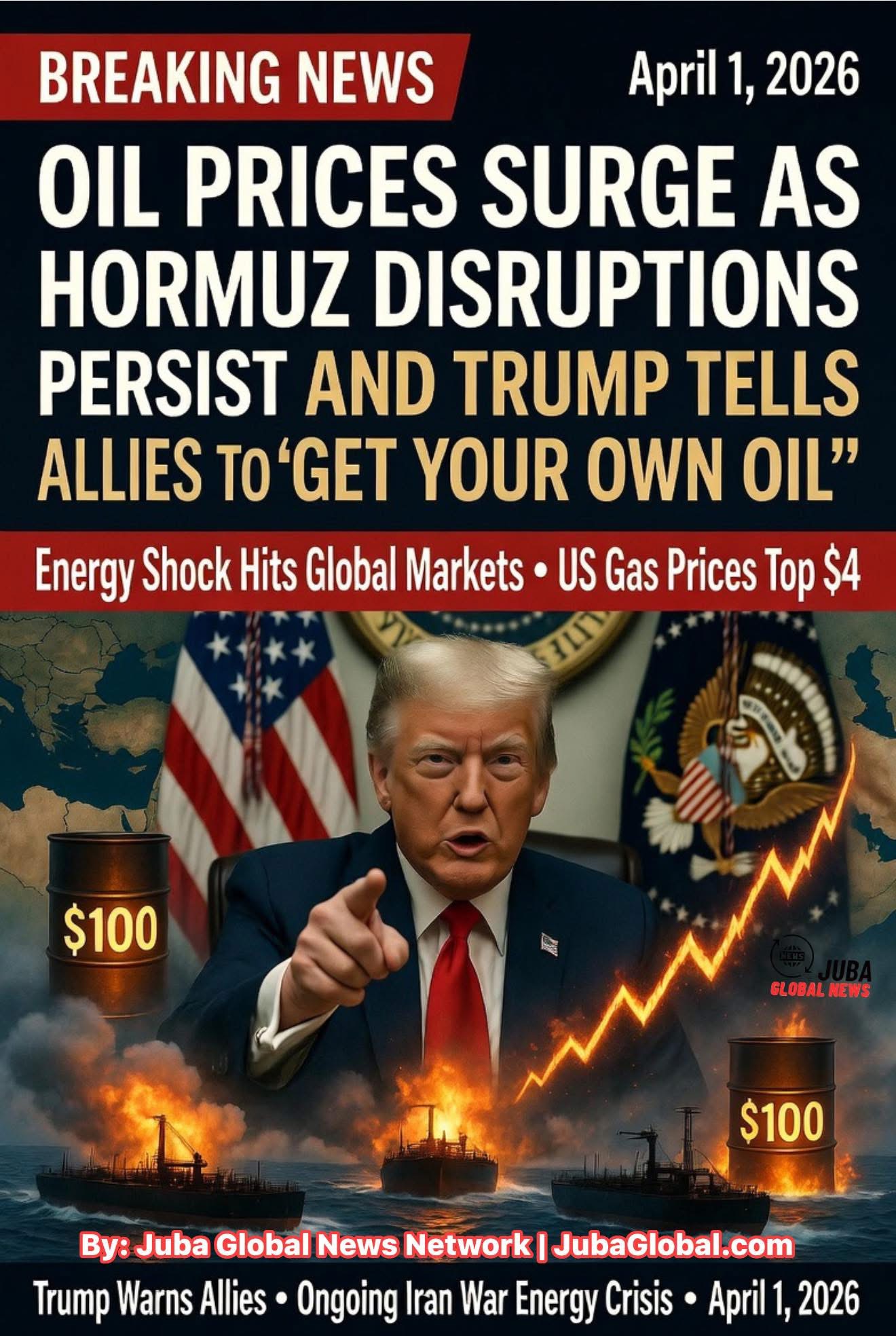
- Oil price surges and global market turmoil.
Hezbollah’s involvement opens a northern theater for Israel, stretching its resources amid ongoing strikes in Iran. The group, once considered Iran’s most capable proxy with an arsenal of tens of thousands of rockets, has been significantly degraded in prior conflicts (notably 2024 clashes), but retains substantial capability to inflict damage.
Lebanese Prime Minister condemned Hezbollah’s actions as “irresponsible,” highlighting the risk of dragging Lebanon—already economically fragile—into another devastating war. International calls for restraint have intensified, but with Iran’s interim leadership vowing continued retaliation and no signs of de-escalation, the risk of a full-scale regional conflagration grows.
Implications and What Lies Ahead
The strikes underscore the interconnectedness of Iran’s “Axis of Resistance.” With Khamenei’s death creating a leadership vacuum in Tehran, proxies like Hezbollah may act more independently—or desperately—to preserve influence and deter further Israeli/U.S. advances.
For Israel, maintaining air superiority while managing multiple fronts (Iran direct, Hezbollah in Lebanon, potential militia actions in Syria/Iraq) poses major challenges. Analysts warn that sustained Hezbollah involvement could lead to months of attrition warfare, civilian suffering in Lebanon, and broader instability.
As Day 3 unfolds, the world watches a conflict that began with a decapitation strike on Iran’s supreme leader spiral into something far larger and more unpredictable.
By Juba Global News Network | JubaGlobal.com
March 2, 2026
Stay tuned for live updates as this fast-moving story develops.