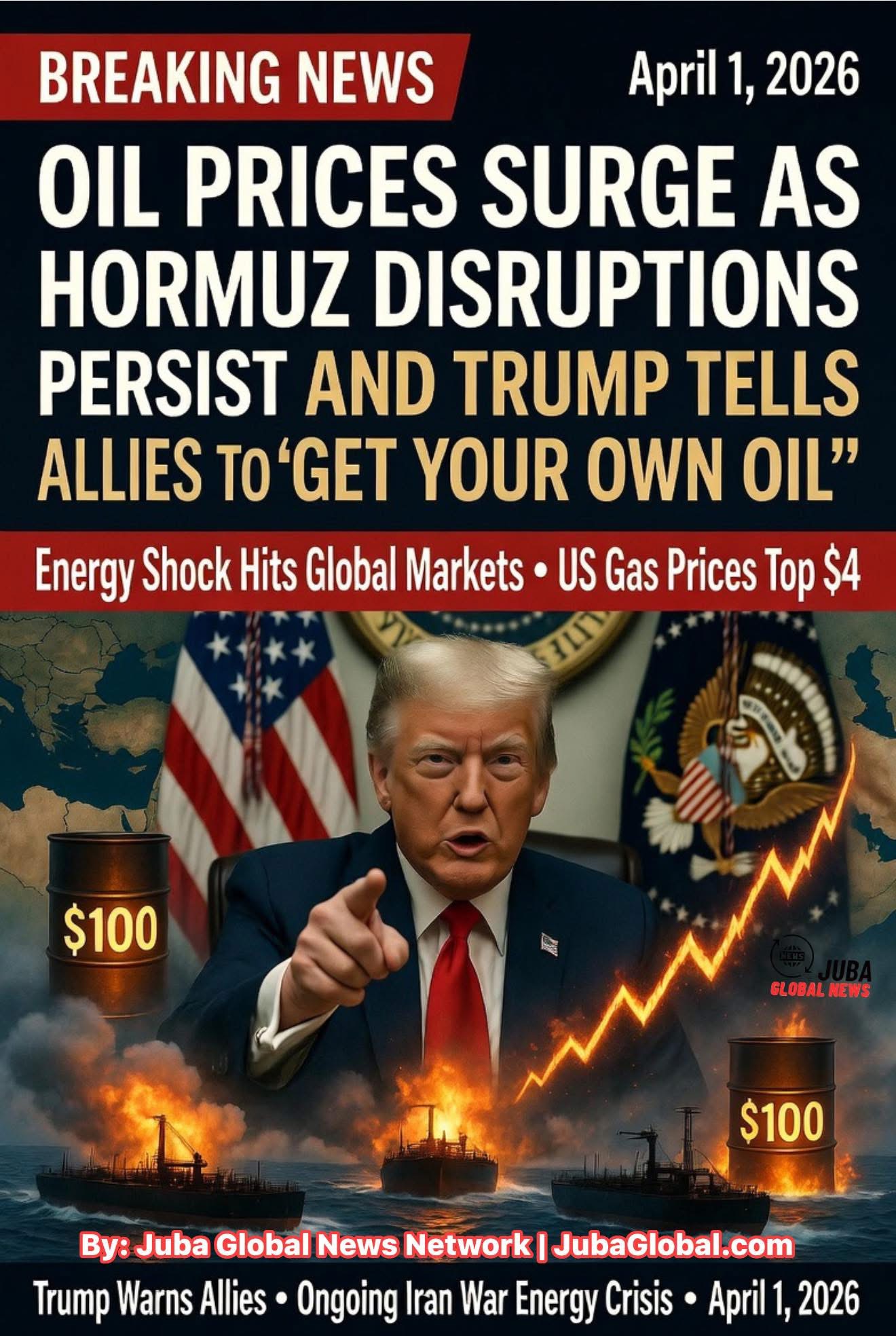
Iran Launches Massive Retaliatory Missile Barrage Across the Middle East Following Khamenei’s Death
By: Juba Global News Network | JubaGlobal.com
March 1, 2026 – Updated 01:30 AM EST
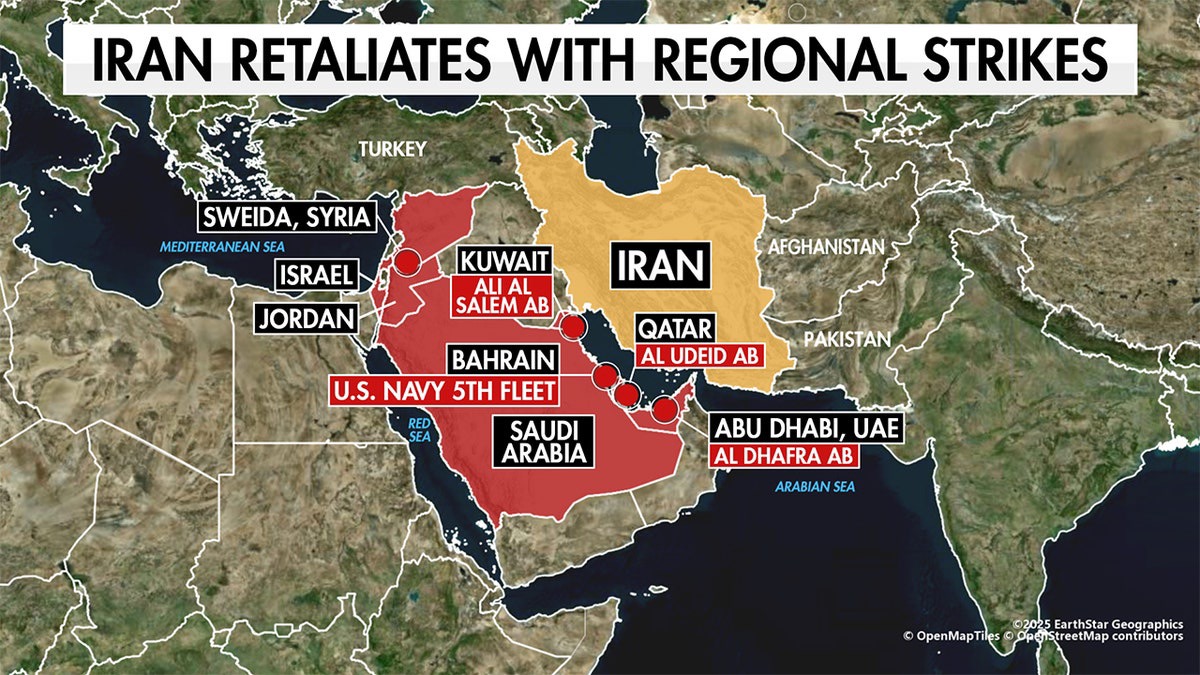
In the hours following the confirmation of Supreme Leader Ayatollah Ali Khamenei’s death in a joint US-Israeli airstrike campaign, Iran unleashed what state media and the Islamic Revolutionary Guard Corps (IRGC) described as an “unprecedented” and “ferocious” retaliatory offensive. The barrage, involving hundreds of ballistic missiles and drones, targeted Israel directly while extending to multiple US military installations and allied sites across the Persian Gulf region. This escalation marks one of the most widespread military responses in recent Middle Eastern history, pushing the region toward the brink of a broader conflict.
The Trigger: Khamenei’s Assassination and Initial Strikes
The chain of events began with massive US and Israeli airstrikes on Iranian targets early Saturday local time (February 28, 2026), dubbed “Operation Epic Fury” by US officials. President Donald Trump announced the operation as a preemptive measure to neutralize Iran’s nuclear capabilities and ballistic missile threats. Israeli sources confirmed that Khamenei’s secure compound in Tehran was among the primary targets, hit with around 30 precision-guided munitions. Iranian state media initially denied the supreme leader’s death but later confirmed it early Sunday, March 1, prompting nationwide mourning and vows of severe vengeance.
Trump described the killing as “the single greatest chance for the Iranian people to take back their Country,” while calling for regime change. The strikes reportedly eliminated several top IRGC commanders and disrupted key military infrastructure, though exact casualty figures remain disputed—Iran claims over 200 deaths, including civilians, while US and Israeli officials have not released detailed assessments.
Scale and Scope of Iran’s Retaliation
Iran’s response was swift and multi-fronted. The IRGC announced waves of attacks targeting “27 US bases in the Middle East” alongside Israeli military sites. Key elements include:
- Direct Strikes on Israel: Multiple salvos of ballistic missiles triggered air raid sirens across central and southern Israel, including Tel Aviv. Israeli defenses intercepted most projectiles, but at least one missile struck a residential area in central Tel Aviv, killing one woman and injuring others. Reports indicate hundreds of missiles and drones in successive waves, with ongoing interceptions reported into Sunday morning.
- Attacks on Gulf States Hosting US Assets: Iran extended its retaliation to nations hosting American military facilities, viewing them as enablers of the initial strikes. Targets included:
- Bahrain: Home to the US Navy’s Fifth Fleet headquarters; air raid sirens sounded, with confirmed hits and smoke reported in Manama.
- Qatar: Al Udeid Air Base (a major US hub) was targeted; explosions and interceptions reported over Doha.
- United Arab Emirates: Strikes hit Al Dhafra Air Base and civilian areas, including Dubai and Abu Dhabi. Witnesses described loud blasts, smoke over landmarks like The Palm and Burj Al Arab, and debris causing fires at Jebel Ali Port. UAE defenses intercepted many missiles, but falling shrapnel killed at least one person in Abu Dhabi and injured others. Dubai International Airport reported disruptions.
- Kuwait: Ali Al Salem Air Base struck; airport incidents reported.
- Jordan: Muwaffaq Salti Air Base targeted, with interceptions confirmed.
Additional reports mention strikes or attempted strikes in other areas, with explosions heard in densely populated zones and disruptions to air travel and oil shipments across the Gulf.
Iran’s Foreign Ministry warned Gulf states against allowing their territory to be used for further attacks, labeling them potential “legitimate targets.” The IRGC described the operation as its “most intense offensive” ever, with semi-official outlets like Tasnim reporting a “sixth wave” of attacks by early Sunday.
Casualties, Damage, and Regional Impact
While US Central Command (CENTCOM) reported no American casualties from the barrages—crediting successful defenses—no full picture has emerged yet. Gulf states emphasized effective interceptions, though civilian impacts included injuries from debris, airport closures, and panic in major cities like Dubai and Doha.
In Israel, one confirmed fatality and injuries from a direct hit were reported, with emergency services responding to multiple sites. The broader economic fallout looms large: oil markets braced for volatility as Persian Gulf shipments faced disruptions, and regional flights were grounded or diverted.
Iran declared 40 days of national mourning for Khamenei, with hardliners vowing “no leniency” and continued operations until the “enemy is defeated.” Internally, the leadership vacuum has raised questions about succession, with some reports of internet blackouts and mixed public reactions—relief among dissidents contrasted with regime-orchestrated rallies.
International Reactions and Escalation Risks
Global powers reacted swiftly. Russia and China condemned the US-Israeli strikes as “unprovoked aggression.” The UN Security Council convened an emergency session amid warnings of “grave consequences.” Saudi Arabia denounced Iran’s attacks and offered support to affected Gulf states.
President Trump warned Iran against further escalation, posting on social media that any “very hard” response would trigger US retaliation “WITH A FORCE THAT HAS NEVER BEEN SEEN BEFORE!” Israel announced additional strikes on Iranian missile and air defense systems Sunday morning.
Analysts warn this tit-for-tat could spiral into prolonged war, potentially involving proxies like Hezbollah or Iraqi militias, and drawing in more actors. The death of Khamenei—a figure who shaped Iran’s defiance for decades—adds unpredictability, as the regime grapples with internal stability amid external bombardment.
This fast-moving crisis continues to evolve. Juba Global News Network will provide updates as verified information emerges. For the latest developments, consult primary sources including CNN, Al Jazeera, Reuters, BBC, and official statements from involved governments.