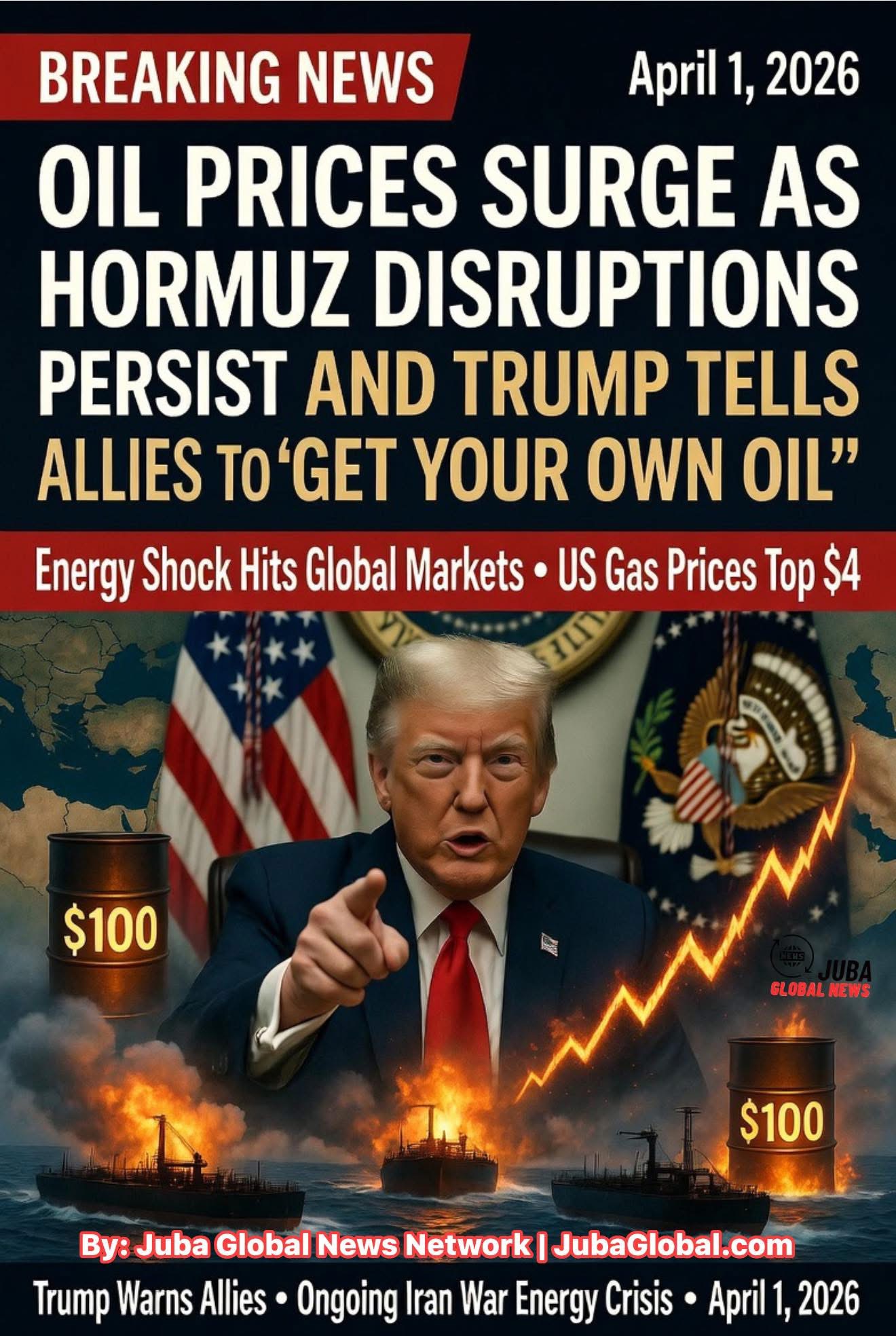
Iran Closes Strait of Hormuz: Global Oil Supplies in Jeopardy

Iran’s dramatic declaration to close the Strait of Hormuz has plunged the world into an unprecedented energy crisis, effectively halting the flow of roughly 20% of global oil and a major share of liquefied natural gas (LNG) as the US-Israel-Iran conflict rages into its fourth day on March 3, 2026. What Tehran calls a complete shutdown in retaliation for devastating US and Israeli airstrikes has turned the world’s most critical maritime chokepoint into a no-go zone for commercial shipping, driving oil prices surging and threatening widespread economic fallout.

The Bold Declaration and Its Immediate Impact
On March 2, senior Islamic Revolutionary Guard Corps (IRGC) adviser Ebrahim Jabari announced via state media that the Strait of Hormuz was “closed,” vowing that IRGC naval forces would “set ablaze” any vessel daring to pass. Iranian broadcasters urged ships on VHF Channel 16 to avoid the strait entirely, framing the move as direct payback for Operation Epic Fury—the joint US-Israeli campaign that began February 28 and has already destroyed key Iranian leadership (including Supreme Leader Ali Khamenei), nuclear facilities, missile sites, air defenses, and naval assets.
While no formal legal blockade exists under international law, and Iran’s navy has suffered heavy losses (at least 11 vessels sunk), the threat alone has achieved a de facto closure. Ship-tracking systems show a near-total collapse in traffic: AIS signals from tankers have vanished in the strait, with vessels anchoring offshore, rerouting via the lengthy Cape of Good Hope route, or simply refusing to move. Reports confirm at least five tankers damaged or attacked since escalation, including fires, crew evacuations, and maritime fatalities.

Energy Markets Reel from the Shock
The Strait of Hormuz is the narrow gateway through which approximately 13–21 million barrels of crude oil pass daily—representing 20–31% of global seaborne oil trade—plus substantial LNG volumes, especially from Qatar. The disruption has triggered immediate and severe market reactions:
- Brent crude futures spiked nearly 10% in early March 3 trading, climbing above $80 per barrel (from pre-conflict levels around $73), with analysts warning of $100+ if the impasse lasts weeks.
- European natural gas benchmarks rose in sympathy, while Asian importers (China, India, Japan, South Korea) brace for acute shortages.
- Supertanker freight rates and war-risk insurance premiums have exploded to record levels, with some operators demanding hazard pay or outright refusing Gulf voyages.
Qatar’s massive Ras Laffan LNG complex has suspended operations following Iranian drone strikes on related infrastructure, further tightening global supply. Around 150 vessels remain stranded near the entrance, contributing to a cascading logistics nightmare that adds weeks to delivery times and inflates costs dramatically.

Geopolitical Stakes and Responses
Iran’s closure is widely interpreted as strategic leverage: by inflicting pain on global energy consumers and US Gulf allies, Tehran aims to pressure for de-escalation or diplomatic intervention. The move exploits the strait’s unique geography—only about 21 nautical miles wide at its narrowest, with shipping lanes even tighter—making it vulnerable to asymmetric threats like speedboats, mines, drones, and missiles.
Gulf states have reacted with fury: Saudi Arabia, UAE, Qatar, Bahrain, and Oman condemned the threats, reporting attacks on their own facilities and bases. The US State Department has shuttered embassies across the region and issued urgent evacuation advisories for 14 countries.
Internationally:
- China, the world’s largest oil importer, urged restraint and Gulf solidarity against “external interference.”
- Russia blamed US-Israeli aggression for the chaos.
- European leaders grapple with compounded energy vulnerabilities amid existing supply strains.
President Trump has signaled readiness for further escalation, vowing “harder hits” and highlighting US stockpiles for a sustained campaign. While some analysts doubt Iran’s ability to maintain a prolonged blockade—given its own export dependency through the same route and degraded forces—the short-term damage is already profound.
What Lies Ahead: Economic Pain or Forced Resolution?
As explosions continue across the region and shipping remains paralyzed, the Strait of Hormuz crisis has transformed a regional war into a global economic emergency. A prolonged shutdown could ignite inflation, trigger recessions in energy-dependent economies, and force painful rationing or alternative sourcing.
Yet mutual economic harm—especially Iran’s reliance on the strait for its own exports—may limit how long the closure holds. Diplomatic channels, naval escorts, or decisive military action to reopen the passage remain possible paths forward.
For millions worldwide facing rising fuel and heating costs, the coming weeks will determine whether this becomes a brief shock or a defining chapter in modern energy security.
By Joseph for Juba Global News Network | JubaGlobal.com
March 3, 2026 – Real-time updates and live coverage available at JubaGlobal.com. Stay informed as events unfold.