 Juba Global Editorial
ABUJA, NIGERIA — Details are emerging from Nigeria of a development that could have important implications for the region. Officials have begun briefing the media as more information becomes available.

Nigeria, Africa’s most populous nation and largest economy, continues to navigate complex challenges spanning security, economic reform, and governance as it asserts its leadership role on the continent. The broader context in Nigeria provides important background for understanding the significance of today’s events.
Latest Developments: What Is Known
Information continues to come in from Nigeria as officials and witnesses provide accounts of the situation. Authorities have urged the public to remain calm while investigations proceed. Regional partners have offered support and are coordinating with local authorities. Juba Global News Network remains committed to providing accurate, well-sourced reporting on this developing story.
This development represents a critical juncture in ongoing regional dynamics, with analysts pointing to multiple factors that have converged to create the current situation. Political observers note that the stakes are particularly high given the complex interplay of local, regional, and international interests at play. The implications extend far beyond immediate stakeholders, potentially reshaping diplomatic alignments and economic partnerships that have taken years to build. As one senior analyst based in the region explained, “We are witnessing a fundamental recalibration of relationships that will define the next chapter of this region’s history.”
International Response
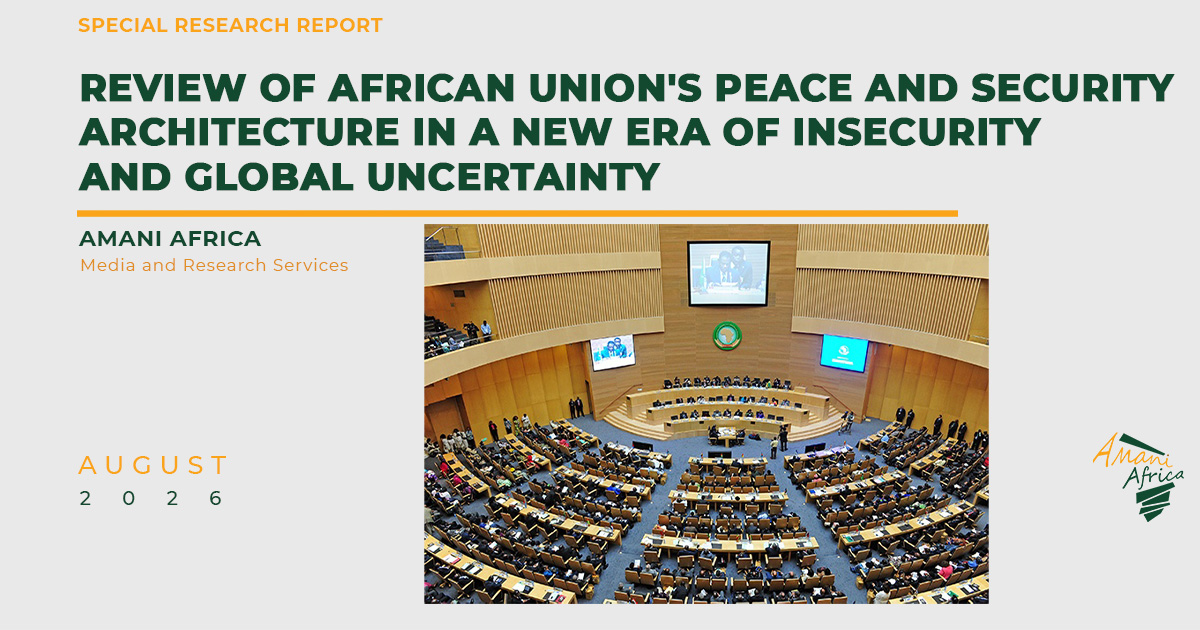
The international community has reacted with a mixture of concern and cautious optimism to these developments. Several world powers have issued statements calling for restraint and dialogue, while regional organizations have convened emergency meetings to coordinate their response. The United Nations has indicated it is closely monitoring the situation and stands ready to provide assistance if requested. Meanwhile, diplomatic sources report that back-channel communications are intensifying as key stakeholders seek to prevent further deterioration of the situation. The African Union Peace and Security Council has placed the matter on its agenda for urgent deliberation, signaling the gravity with which regional bodies are treating this development.
Civil society organizations and human rights groups have weighed in, calling for transparency, accountability, and the protection of civilian populations. Meanwhile, economic analysts are assessing the potential impact on trade, investment flows, and regional integration efforts that have been gaining momentum in recent years despite persistent challenges. The World Bank and International Monetary Fund have reportedly begun preliminary assessments of economic repercussions, while regional business associations have urged calm and called on governments to ensure the continuity of cross-border trade and economic cooperation.
Impact on Communities
Behind the diplomatic maneuvering and political calculations, this story has profound human dimensions that must not be overlooked. Residents in affected areas are facing increasing uncertainty about their safety, livelihoods, and future prospects. “We wake up every morning not knowing what the day will bring,” one local resident told Juba Global News Network. “The tension is affecting everything — businesses are scaling back, schools are seeing reduced attendance, and families are making contingency plans.” These human stories are the invisible thread running through every geopolitical development,yet they are too often overlooked in coverage focused on elite-level maneuvering.
The human cost of instability is measured not just in immediate casualties but in long-term disruptions to education, healthcare, and economic opportunity. Children’s education is often the first casualty of prolonged uncertainty, as families prioritize immediate survival over long-term investment in schooling. Health facilities in many areas operate with limited supplies and staff, and any disruption to supply chains can have life-or-death consequences for patients dependent on regular treatment. “Every day of instability pushes families deeper into vulnerability,” a humanitarian coordinator based in the region explained.
What Happens Next
The path forward is fraught with both challenges and opportunities. While the immediate situation demands urgent attention and crisis management, there is also an opportunity — as there often is in moments of acute tension — to address deeper, long-standing issues that have been allowed to fester. Several diplomatic initiatives are reportedly being prepared that aim not just to manage the current crisis but to create frameworks for more durable stability. Whether these efforts succeed will depend on the political will of key actors and their willingness to make difficult compromises.
Behind the headlines lies a more complex reality that demands careful examination. Our reporting team has been speaking with sources on the ground and analyzing official statements to provide our readers with a nuanced understanding of what this development means for the people most directly affected. “The situation on the ground is far more intricate than what emerges in official communiqués,” a local source told Juba Global News Network on condition of anonymity. “We are seeing dynamics that are not captured in the brief statements issued to the press.”
Source attribution: This article incorporates information aggregated from Nigeria and other international news sources monitored by Juba Global News Network‘s global news desk. Juba Global maintains full editorial independence and responsibility for the content of this report.
Stay Informed
This report is brought to you by Juba Global News Network. Subscribe for updates | Follow on Facebook | Watch on YouTube
As this story continues to develop, Juba Global News Network will provide sustained, in-depth coverage of all significant developments. Our team of experienced journalists and analysts remains committed to bringing our readers the most accurate, timely, and context-rich reporting available. For continuous updates, follow Juba Global News Network across all our platforms.
Reporting based on information from Nigeria and other international news sources monitored by Juba Global News Network.