

Civilian Casualties Rise: School Hit in Iranian Strikes, Over 100 Dead – A Tragic Toll in the Escalating Conflict
By Juba Global News Network | JubaGlobal.com March 1, 2026 The human cost of the ongoing US-Israeli military campaign against Iran has escalated dramatical
By Juba Global News Network | JubaGlobal.com
March 1, 2026
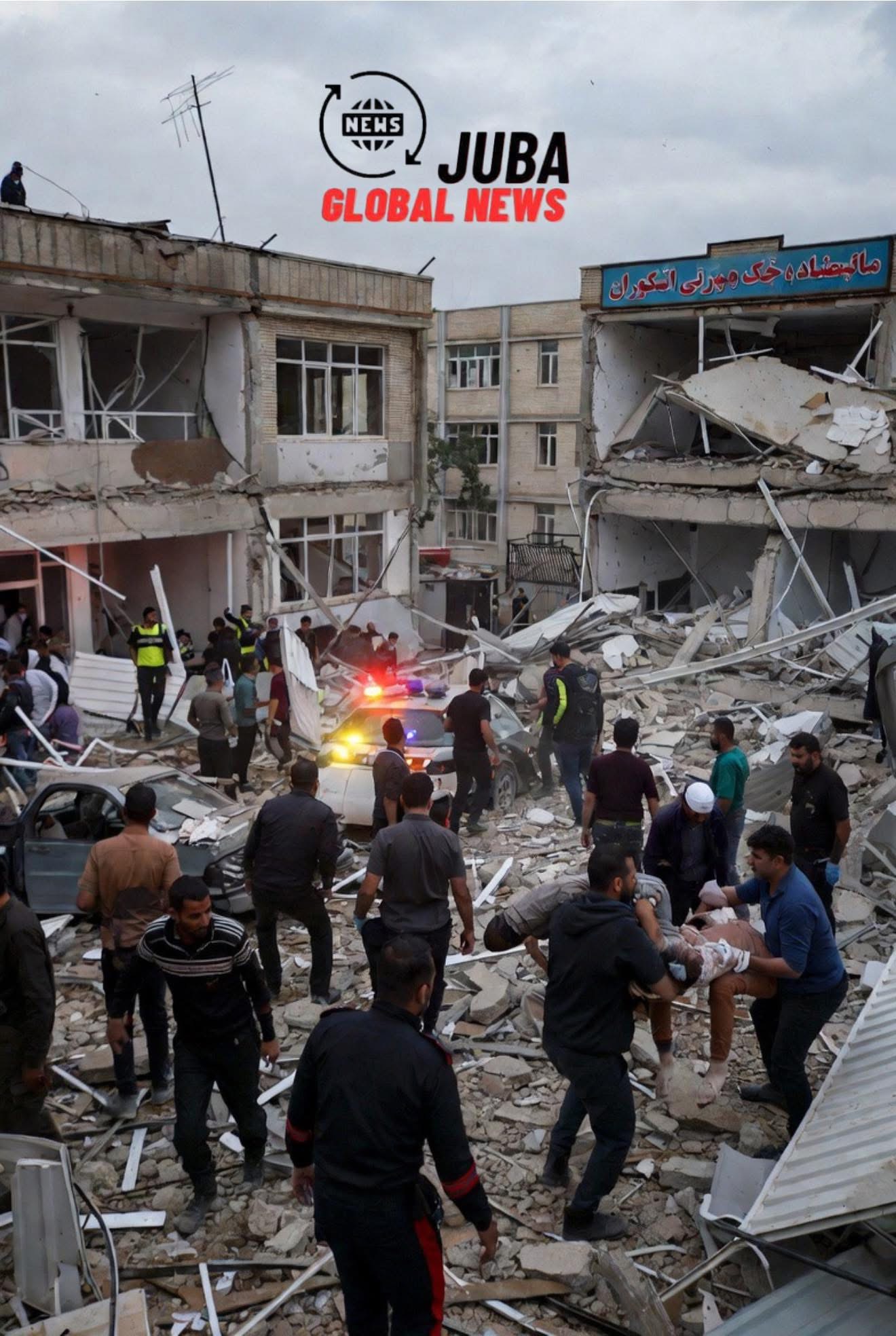
The human cost of the ongoing US-Israeli military campaign against Iran has escalated dramatically with reports of a devastating strike on a girls’ elementary school in southern Iran, claiming the lives of at least 148 people—many of them young students—and injuring nearly 100 more. The incident, which occurred during the initial waves of joint strikes on Saturday that also killed Supreme Leader Ayatollah Ali Khamenei, has drawn widespread horror and intensified calls for an immediate ceasefire amid fears of a full-scale regional war.
The targeted facility, identified as the Shajareh Tayyebeh girls’ elementary school in Minab, Hormozgan province—near a strategic naval base and close to the Strait of Hormuz—was hit in what Iranian officials describe as a deliberate US-Israeli airstrike. Local prosecutor Ebrahim Taheri, cited by Iran’s Mizan news agency and state media, confirmed the death toll rose to 148, with 95 wounded, many in critical condition. Eyewitness accounts and footage broadcast on Iranian state television showed rubble-strewn classrooms, scattered school supplies, and frantic rescue efforts as parents and emergency workers searched for survivors.
Iranian authorities have labeled the attack a “war crime” and a “massacre of innocents,” with Foreign Minister Abbas Araghchi sharing images of the destruction and condemning the killing of “innocent children.” President Masoud Pezeshkian vowed that the blood of the victims would not be shed in vain, framing the strike as part of a broader “aggression against the Iranian people and Muslim children worldwide.”
Independent monitoring groups have corroborated aspects of the civilian toll. The US-based Human Rights Activists News Agency (HRANA) reported at least 133 civilian deaths across Iran from the strikes, with over 200 injured. The Iranian Red Crescent Society put the overall figures higher, at more than 200 killed and 700 wounded in the opening days of the campaign. The Minab school incident stands out as the single deadliest civilian event so far, surpassing other reported strikes on residential areas and infrastructure.
US and Israel Respond to the Allegations
US Central Command (CENTCOM) acknowledged awareness of the reports, stating it is “looking into” claims of civilian harm and emphasizing that “unlike Iran, we have never—and will never—target civilians.” A spokesperson reiterated that the protection of non-combatants remains a priority and that all available precautions are taken to minimize unintended casualties. The Israeli Defense Forces (IDF) said it was “checking” the reports and was “not aware” of any operations specifically targeting the Minab area at the time, while maintaining that all strikes were aimed at military and leadership targets associated with Iran’s nuclear program, missile capabilities, and proxy networks.
Military analysts note that the school was located in proximity to a naval installation, raising questions about whether it was collateral damage in a precision strike gone awry or if intelligence failures contributed to the tragedy. The Pentagon has not released detailed target lists, but officials have described Operation Epic Fury (US designation) and Roaring Lion (Israeli) as focused on degrading Iran’s command structure and retaliatory capacity following years of tensions.
Humanitarian Crisis Unfolds
The school strike has amplified an already dire humanitarian situation in Iran. With airstrikes continuing into Sunday—including fresh Israeli attacks reported in the “heart of Tehran”—civilian infrastructure is under severe strain. Hospitals in southern provinces are overwhelmed, with shortages of medical supplies exacerbated by disrupted supply lines. Power outages, damaged roads, and panic in urban centers have complicated rescue and aid efforts.
International organizations have sounded the alarm. UN Secretary-General António Guterres condemned the escalation, warning of consequences “nobody can control” and urging de-escalation. UN High Commissioner for Human Rights Volker Türk deplored the strikes, stressing that “bombs and missiles are not the way to resolve differences” and that violations of international humanitarian law demand accountability. The Global Coalition to Protect Education from Attack highlighted the incident as part of a disturbing pattern of schools caught in conflict zones.
Aid groups warn that the conflict risks creating a broader crisis: mass displacement, food insecurity, and potential refugee flows if escalation continues. Oil markets have already reacted sharply, with prices spiking due to threats to the Strait of Hormuz, threatening global economic stability.
Voices from the Ground and Global Outrage
Survivors and families in Minab described scenes of chaos: children running from classrooms as explosions rocked the building, parents searching desperately through debris. One grieving mother told state media, “They took my daughter… she was only learning to read.” Social media footage—some verified by outlets like CNN and Al Jazeera—shows rescuers pulling bodies from the wreckage amid cries and dust clouds.
Globally, the images have fueled outrage. Protests erupted in several capitals, with demonstrators condemning the civilian deaths and calling for an end to military action. Human rights advocates argue the incident underscores the perils of high-intensity airstrikes in populated areas, drawing parallels to past conflicts where civilian infrastructure was hit near military sites.
As Iran vows fierce retaliation—having already launched missiles at Israel and US-allied Gulf states—the tragedy in Minab serves as a grim reminder that in modern warfare, the line between military targets and civilian lives can blur with catastrophic results. With President Trump reiterating calls for regime change and strikes ongoing, the path to de-escalation appears increasingly narrow.
Juba Global News Network continues to monitor the humanitarian impact and verify reports from the ground. The world watches in horror as the cost in innocent lives mounts.
