

U.S. House Defies Trump, Votes to End Canada Tariffs Amid Economic Concerns and Midterm Pressures
In a striking display of bipartisan pushback against President Donald Trump’s aggressive trade agenda, the U.S. House of Representatives voted on February
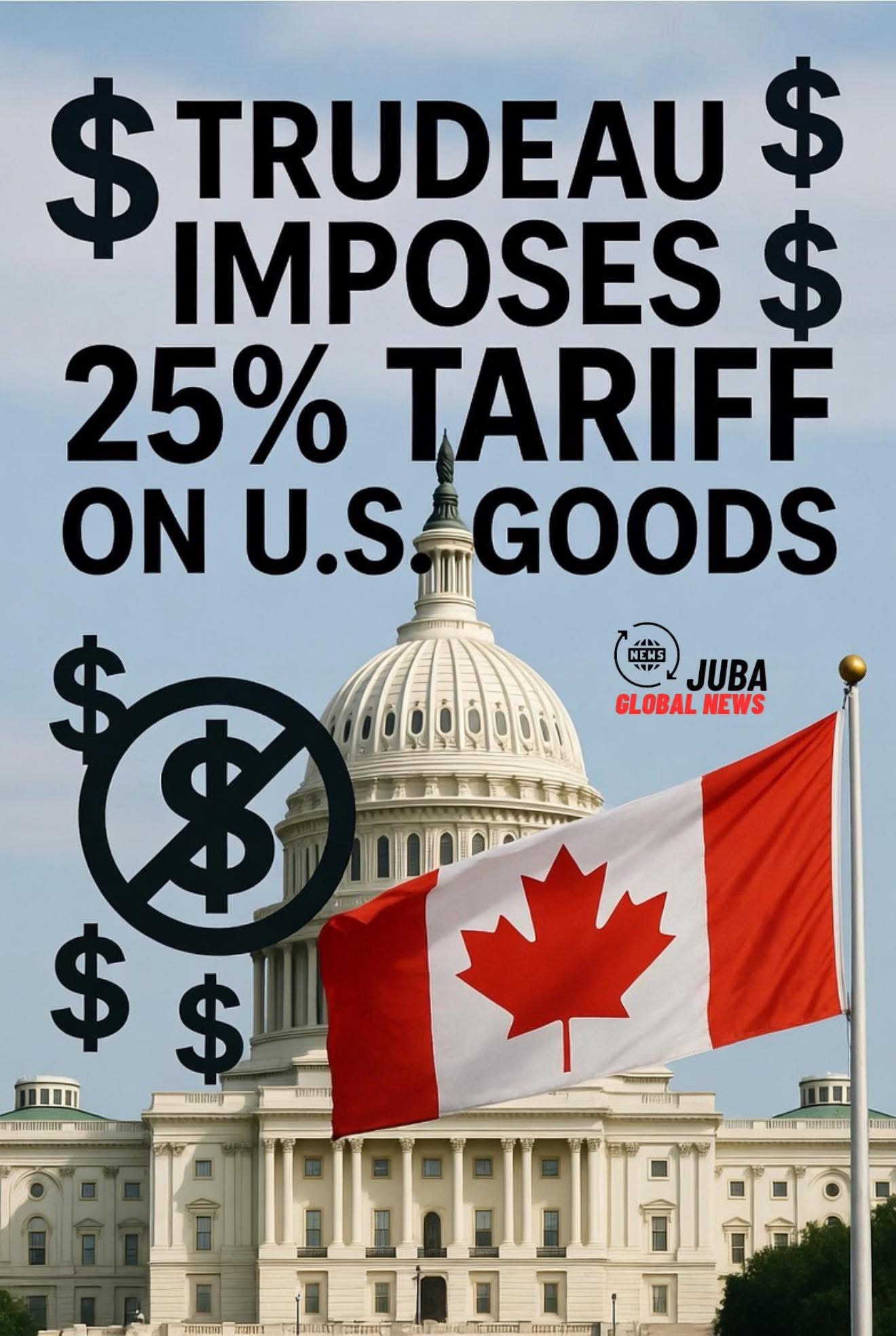
In a striking display of bipartisan pushback against President Donald Trump’s aggressive trade agenda, the U.S. House of Representatives voted on February 11, 2026, to terminate the tariffs imposed on Canadian goods. The resolution passed by a narrow margin of 219-211, with six Republicans crossing party lines to join nearly all Democrats in support. This rare rebuke in the Republican-controlled chamber highlighted growing unease over the economic fallout from Trump’s tariffs, particularly as midterm elections loom and concerns mount about rising consumer prices and strained relations with America’s largest trading partner.
Background: Trump’s Tariff Strategy and the Canada Emergency Declaration
President Trump imposed 25% tariffs on a range of Canadian imports in early 2025, invoking a national emergency declaration tied to issues such as border security and fentanyl trafficking. The move was part of a broader “America First” trade policy that included similar levies on other nations like Mexico and Brazil. Trump argued that tariffs protect U.S. industries, generate revenue, enhance national security, and force better trade deals. He frequently touted them on social media and in public statements as delivering “economic and national security” wins.
Canada, the United States’ top trading partner with annual bilateral trade exceeding $700 billion, responded with retaliatory measures on U.S. exports like agricultural products, steel, and consumer goods. The tariffs disrupted integrated supply chains—particularly in autos, energy, and lumber—driving up costs for American manufacturers and consumers. Reports indicated higher prices for cars, groceries, fuel, and building materials, contributing to inflationary pressures despite administration claims of benefits.
The tariffs were enacted under emergency powers, bypassing traditional congressional approval for trade actions. This allowed Trump to act unilaterally but also opened the door for legislative challenges via privileged resolutions under the National Emergencies Act, which permit Congress to vote on terminating such declarations.
The House Vote: A Bipartisan Revolt
The resolution (H.J. Res. 72), sponsored by Rep. Gregory Meeks (D-N.Y.) and supported by others including Rep. Greg Stanton (D-Ariz.), sought to revoke the emergency declaration underpinning the Canada tariffs. After months of procedural maneuvering by GOP leadership to block such votes—including a failed late-night effort on February 10 to extend restrictions—the measure reached the floor.
Six Republicans—Reps. Thomas Massie (Ky.), Don Bacon (Neb.), Kevin Kiley (Calif.), Jeff Hurd (Colo.), Brian Fitzpatrick (Pa.), and Dan Newhouse (Wash.)—joined 212 Democrats (with only Rep. Jared Golden of Maine voting no) to pass the bill. The vote marked the first time the House formally confronted Trump’s trade agenda after prolonged avoidance.
Trump had warned lawmakers beforehand on Truth Social: “Any Republican, in the House or the Senate, that votes against TARIFFS will seriously suffer the consequences come Election time, and that includes Primaries!” Despite the threat, the defections occurred, signaling cracks in GOP unity over tariffs as midterm anxieties intensify.
Senate Precedent and Next Steps
The Senate had previously passed similar disapproval resolutions on Trump’s Canada tariffs (and others) with bipartisan support, including from Republicans like Sens. Rand Paul and others. Privileged status means the House-passed measure will likely reach the Senate floor soon, where passage appears probable given prior votes.
However, the path to law remains blocked: Trump has vowed to veto any such resolution, and overriding a veto requires a two-thirds supermajority in both chambers—an unlikely threshold given the narrow House margin and GOP majorities.
Economic and Political Impacts
Proponents of the resolution, including Democrats and defecting Republicans, argued the tariffs harm American families and businesses more than they help. They cited increased costs passed to consumers, reduced exports (especially in agriculture), and uncertainty for industries reliant on cross-border trade. Border-state lawmakers and those in manufacturing-heavy districts emphasized the tariffs’ role in inflating everyday prices amid already high living costs.
Trump allies and administration officials countered that tariffs generate billions in revenue (used in part for farmer bailouts and debt reduction), protect domestic jobs, and pressure Canada on issues like migration and drugs. They framed the House vote as symbolic grandstanding by opponents.
The vote reflects broader tensions: Trump’s tariff-heavy approach has divided Republicans, with free-trade advocates and those facing voter backlash over inflation quietly dissenting. As 2026 midterms approach, more such challenges could emerge, testing party loyalty against constituent economic concerns.
Broader Implications for U.S. Trade Policy
This congressional action underscores the limits of executive power in trade, even under emergency pretexts, and revives debates over congressional oversight. It also highlights strained U.S.-Canada relations at a time when cooperation on energy, security, and supply chains is vital.
While largely symbolic in the short term—tariffs remain in place pending any veto override—the vote signals potential erosion of support for Trump’s trade war within his own party. If midterm dynamics shift further, future Congresses could impose stricter checks on unilateral tariffs.
As the resolution heads to the Senate and potential veto, the episode serves as a reminder: in a divided government, bold executive actions on trade can provoke fierce legislative resistance, especially when pocketbook issues are at stake. The outcome will test whether economic pragmatism can prevail over political loyalty in shaping America’s global economic posture.
