

Iran Threatens U.S. Bases and Israel Amid Escalating Protests: A Regime on the Brink
As of January 12, 2026, Iran’s leadership has issued stark warnings of retaliation against U.S. military bases and Israel if the United States intervenes i

As of January 12, 2026, Iran’s leadership has issued stark warnings of retaliation against U.S. military bases and Israel if the United States intervenes in the ongoing nationwide anti-government protests. The threats, delivered amid a brutal crackdown that has pushed the death toll past 500, mark a dramatic escalation in rhetoric as the Islamic Republic faces its most severe internal challenge in years. With communications blackouts isolating the country and President Donald Trump weighing “very strong” military options, the Middle East stands on the edge of a potential broader conflict.
The Warning from Tehran
On January 11, 2026, Iran’s Parliament Speaker Mohammad Baqer Qalibaf, a hard-line former commander in the elite Islamic Revolutionary Guard Corps (IRGC), delivered the blunt message during a heated session of parliament broadcast on state television. As lawmakers chanted “Death to America!” and rushed the dais, Qalibaf declared:
“Let us be clear: in the case of an attack on Iran, the occupied territories [Israel] as well as all U.S. bases and ships will be our legitimate target.”
He emphasized that Iran would not limit itself to reactive measures, warning it could act preemptively based on “objective signs of a threat” and cautioning Washington against any “miscalculation.” The remarks framed the protests not as domestic unrest but as an extension of ongoing hostilities with the U.S. and Israel, following the 12-day war in June 2025 that severely damaged Iran’s nuclear facilities and air defenses.
Here is a visual representation of the U.S. military footprint in the Middle East, highlighting bases that could be targeted in any escalation:
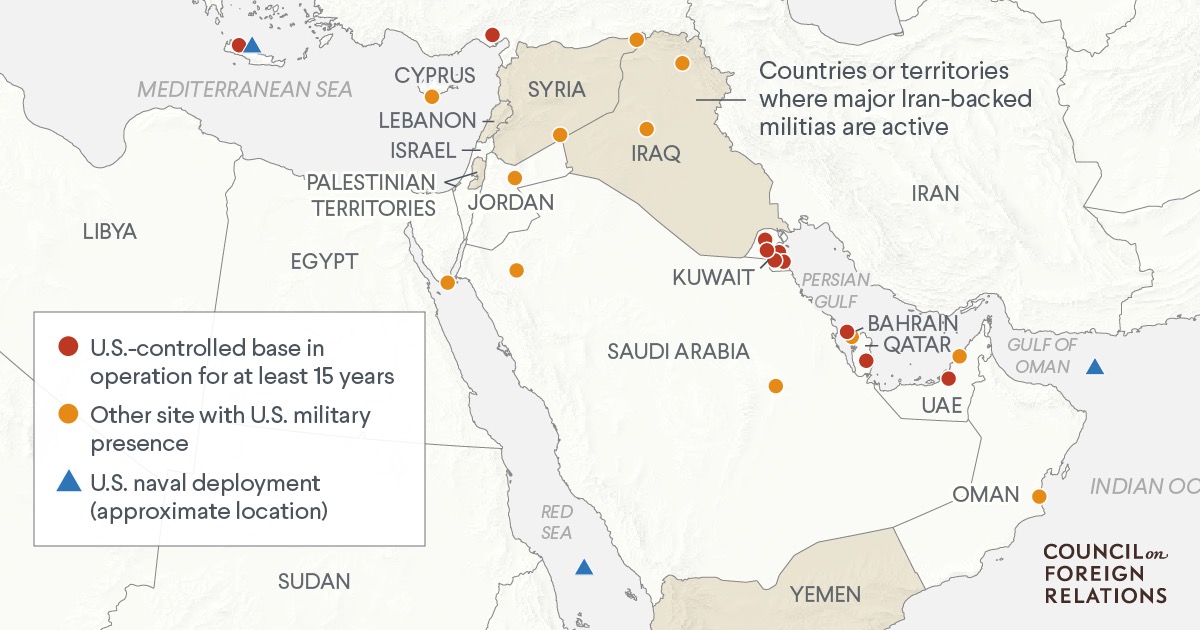
This map illustrates key U.S. installations surrounding Iran, including major bases in Qatar, Bahrain, the UAE, and elsewhere—long viewed by Tehran as vulnerable points in any regional conflict.
Context: Protests Meet External Pressure
The threats come as anti-government demonstrations, now in their third week, continue to spread across all 31 provinces despite a near-total internet blackout and heavy security presence. Sparked by economic collapse—including hyperinflation and a plunging rial—the protests have evolved into calls for regime change, with chants targeting Supreme Leader Ayatollah Ali Khamenei.
Rights groups like the U.S.-based Human Rights Activists News Agency (HRANA) report at least 500+ deaths (including protesters and security forces), over 10,600 arrests, and widespread use of live ammunition. The regime has accused the U.S. and Israel of orchestrating the unrest, labeling demonstrators as “terrorists” and “foreign agents.”
President Trump’s repeated warnings have amplified the tension. He has stated that the U.S. would “come to the rescue” of protesters if violently suppressed, describing the military as “locked and loaded.” Reports indicate Trump has been briefed on potential strike options targeting Iranian security forces involved in the crackdown, though no final decision has been made. He has also claimed Iran reached out for negotiations, calling the regime “tired of being beat up.”
Iranian officials have rejected these claims, with the foreign minister and others dismissing direct military intervention as unlikely while vowing a “decisive” response to any aggression.
Regional Reactions and High Alert
Israel has placed its military on high alert, with sources confirming heightened readiness for any fallout from potential U.S. action. Israeli Prime Minister Benjamin Netanyahu has praised the protesters indirectly, stating the “Persian nation” may soon free itself from “tyranny,” while avoiding direct commentary to prevent regime framing of the movement as foreign-backed.
This image shows Iranian officials or military figures in a confrontational posture, symbolizing the regime’s defiant stance against external threats.
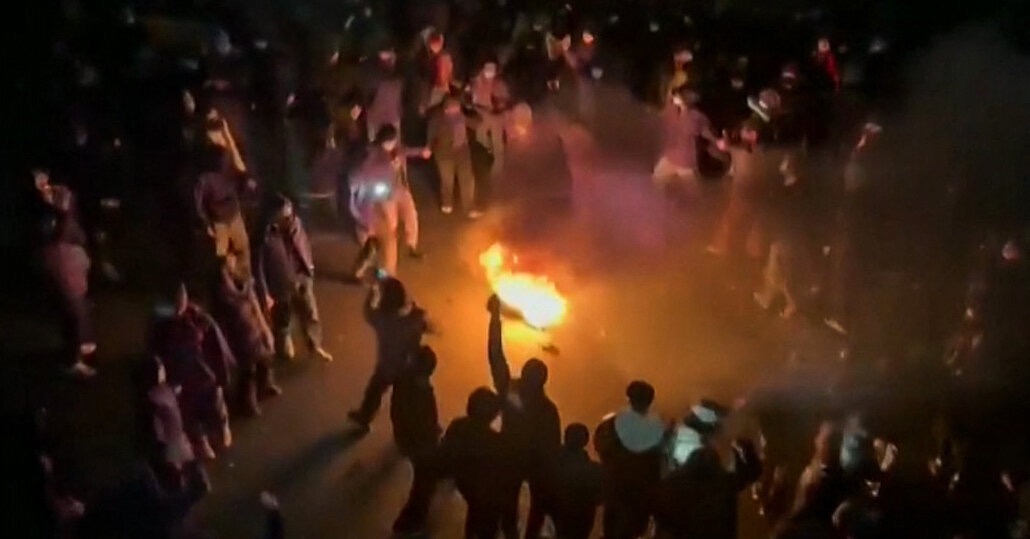
Protesters in Tehran amid smoke and unrest, highlighting how domestic chaos fuels the regime’s external warnings.
Implications for a Volatile Region
These threats underscore the regime’s strategy: portray the protests as part of a broader “war” with the U.S. and Israel to rally loyalists, justify repression, and deter foreign intervention. Analysts note that Iran’s weakened position post-2025 war—damaged air defenses, economic strain, and diminished proxy networks—may limit its ability to follow through on such warnings.
Yet the rhetoric raises the stakes. A U.S. strike could rally Iranians around the regime (a “rally ’round the flag” effect) or accelerate its collapse. For now, the situation remains highly fluid: nationwide pro-regime counter-rallies are planned for January 12, while protesters persist despite the blackout.
As the death toll rises and Trump weighs options, the world watches a potential tipping point in Iran—one that could reshape the Middle East. Independent verification remains challenging due to the communications blackout, so follow credible sources for updates as events unfold rapidly.
