

Iran’s Anti-Government Protests: A Nation in Turmoil as Death Toll Surpasses 500
As of January 12, 2026, Iran is gripped by one of the most intense waves of nationwide anti-government protests since the 1979 Islamic Revolution. What beg

As of January 12, 2026, Iran is gripped by one of the most intense waves of nationwide anti-government protests since the 1979 Islamic Revolution. What began as localized outrage over a collapsing economy has escalated into a broad challenge to the Islamic Republic’s clerical rule, now entering its third week. Rights groups report that the violent crackdown by security forces has claimed over 500 lives, with figures climbing rapidly amid a near-total internet blackout that has severed the country from the outside world.
Origins: Sparked by Economic Collapse
The unrest erupted on December 28, 2025, when shopkeepers in Tehran’s historic Grand Bazaar staged a strike and took to the streets. The immediate trigger was the Iranian rial plunging to record lows—reaching levels that made basic goods unaffordable for millions. Inflation has soared, with food prices up over 70% in recent months, compounded by years of U.S. sanctions, mismanagement, and the aftermath of the 12-day war with Israel in June 2025.
Here are some striking visuals capturing the scale and intensity of the protests:
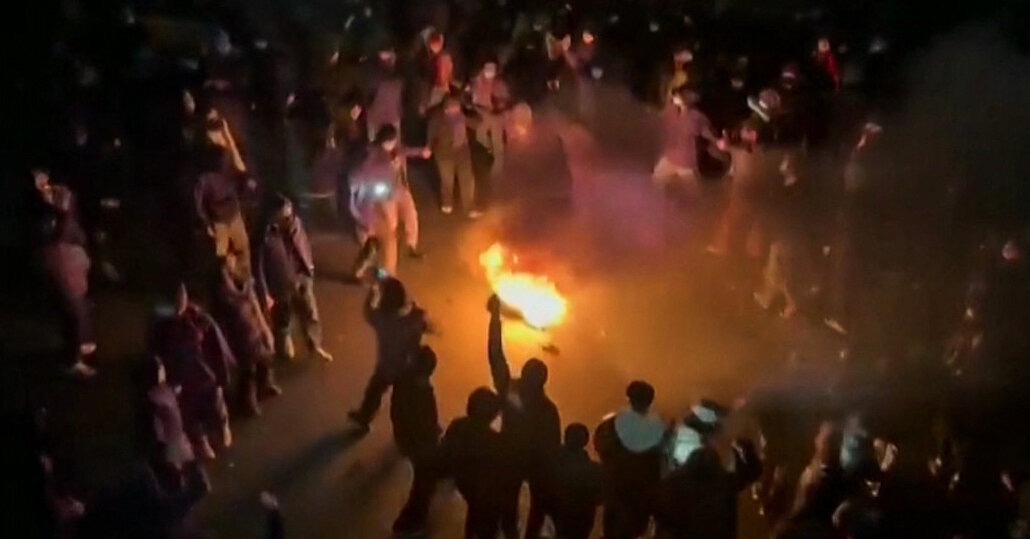
This image from Tehran shows massive crowds filling the streets, a common scene as demonstrations spread to all 31 provinces.
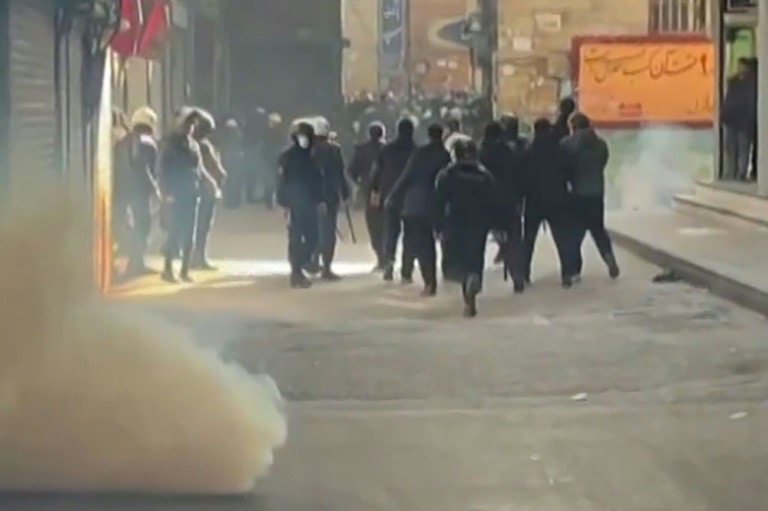
Security forces deploy tear gas in the bustling Tehran Bazaar, where the protests first ignited amid economic despair.
The chants quickly evolved from demands for relief to outright calls for regime change: “Death to the dictator,” referring to Supreme Leader Ayatollah Ali Khamenei, and slogans supporting the return of the Pahlavi monarchy, including “Long live the King” in reference to exiled Crown Prince Reza Pahlavi.
Escalation and Violent Crackdown
By early January, protests had spread nationwide, drawing diverse participants—youth, women, merchants, workers, and ethnic minorities. Despite threats from the Revolutionary Guards and judiciary labeling demonstrators as “enemies of God” (a charge carrying the death penalty), crowds persisted.
The regime responded with escalating force: live ammunition, tear gas, and mass arrests. A near-total internet and phone blackout, enforced since January 8, has hampered organization and verification, but smuggled reports and videos reveal chaos.
Human Rights Activists News Agency (HRANA), a U.S.-based group relying on sources inside Iran, reports at least 544 deaths as of January 11—496 protesters and 48 security personnel—with over 10,600 arrests. Earlier estimates varied: some sources cited over 500 total, including figures as high as 538 or more, amid fears of underreporting due to the communications blackout.
Crowds face off against security forces under a tense sky, symbolizing the regime’s rattled state.
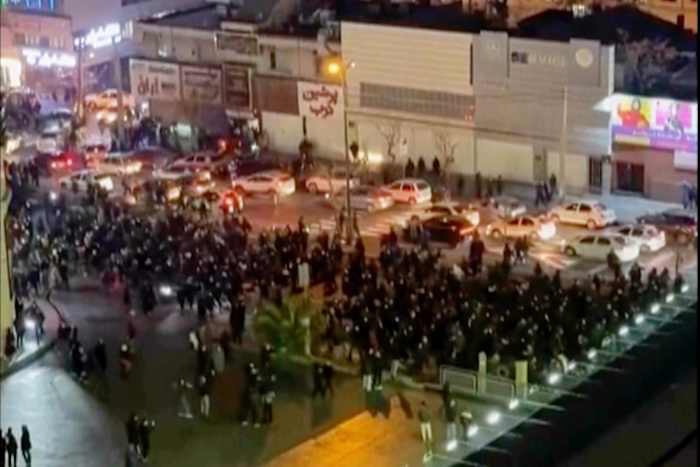
Riot police and protesters clash in urban areas, with tear gas clouds marking the regime’s heavy-handed response.
The protests have overwhelmed hospitals in cities like Tehran and Shiraz, with many injured by gunshots. Eyewitness accounts describe bodies piled in forensic centers and mass casualties during intense nights of violence.
International Dimensions and U.S. Involvement
The crisis has drawn global attention, particularly from the United States under President Donald Trump. Trump has warned of “very strong” military options if the regime continues killing protesters, stating Iran has reached out for negotiations but emphasizing potential intervention. He has praised Iranians as “brave” and suggested restoring internet access, possibly with input from figures like Elon Musk.
Iran has countered by threatening U.S. bases and Israel if foreign powers act. The regime has called for counter-rallies in support of the Islamic Republic, framing the protests as foreign-orchestrated.
A Pivotal Moment for Iran
These demonstrations represent a profound crisis for the Islamic Republic. Economic grievances—exacerbated by sanctions, war recovery, and perceived mismanagement—have fused with long-standing demands for freedom, accountability, and an end to repression. Unlike the 2022 Woman, Life, Freedom movement, this wave spans broader demographics and regions, with some calling it potentially the largest since 1979.
Yet the blackout and crackdown make the full picture elusive. As the death toll rises and tensions mount, the world watches to see if this marks the beginning of transformative change—or a brutal suppression that deepens the regime’s isolation.
The situation remains fluid and highly volatile. For the latest developments, follow credible human rights sources and international outlets, as independent verification inside Iran grows increasingly difficult.
