

Entire Bulgaria’s Government Resigned (Crumbles): Mass Protests Ignite a Nation on the Brink of Eurozone Entry
By: Juba Global News Network SOFIA, Bulgaria – December 11, 2025 – In a dramatic turn that has sent shockwaves through Europe’s political landscape,
By: Juba Global News Network
SOFIA, Bulgaria – December 11, 2025 – In a dramatic turn that has sent shockwaves through Europe’s political landscape, Bulgaria’s fragile minority government has resigned en masse, bowing to the unrelenting fury of tens of thousands of protesters who flooded the streets in a rare display of unified outrage. The collapse comes mere weeks before the Balkan nation is slated to adopt the euro on January 1, 2026, casting a long shadow over what was meant to be a triumphant milestone of European integration. As chants of “Resign!” echoed from Sofia’s central squares to provincial towns and even diaspora communities abroad, Prime Minister Rosen Zhelyazkov’s announcement marked the end of a coalition that had barely clung to power for less than a year. But is this the dawn of real reform, or merely the latest chapter in Bulgaria’s endless cycle of instability?
The resignation, delivered in a somber televised address just minutes before parliament was set to convene on a sixth no-confidence motion, was as calculated as it was inevitable. “We have heard the voice of the people who have been protesting,” Zhelyazkov told reporters, his voice steady but his government’s grip on authority shattered. “The decisions of the National Assembly are meaningful when they reflect the will of the sovereign.” With the opposition’s motion, spearheaded by the We Continue the Change-Democratic Bulgaria (WCC-DB) coalition and backed by minority parties, poised to test the coalition’s razor-thin majority, Zhelyazkov preempted defeat by stepping down. The move, while preserving a veneer of dignity, underscores the depth of public disillusionment in a country long plagued by corruption scandals that drain an estimated €3 billion annually from the economy, according to EU audits.
The Spark That Lit the Powder Keg: From Budget Backlash to Nationwide Uprising
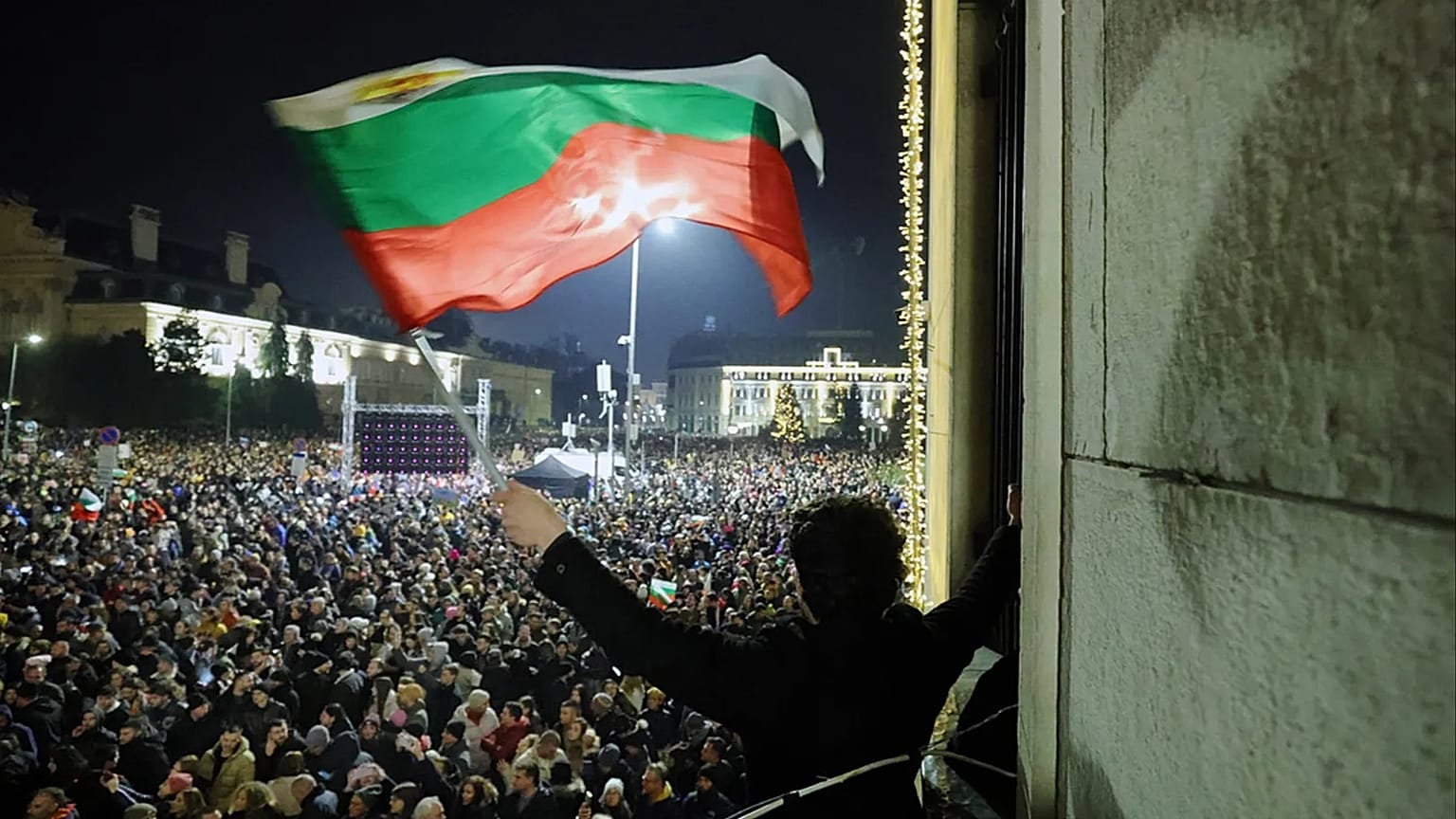
What began as a targeted revolt against a controversial 2026 draft budget has ballooned into a full-throated demand for systemic overhaul. Unveiled in late November, the budget proposed steep tax hikes on the private sector— including increases in social security contributions—to fund lavish public sector pay raises and expanded spending. Critics, including economists and opposition leaders, decried it as a “Trojan horse for corruption,” designed not to stimulate growth but to enrich a network of oligarchs and political insiders. In Bulgaria, the EU’s poorest member state with a GDP per capita hovering at just 57% of the bloc’s average, such measures struck a raw nerve. “This isn’t fiscal policy; it’s a heist,” fumed Gergana Gelkova, a 24-year-old Sofia shop assistant who joined the throngs in the capital’s Alexander Nevsky Square. Her words, captured by Agence France-Presse amid a sea of waving flags and smartphone flashlights, encapsulated the sentiment of a generation squeezed by stagnant wages and soaring living costs.
By Wednesday evening, December 10, the protests had swelled to unprecedented scale. Drone footage from Bulgarian media outlets estimated over 100,000 demonstrators in Sofia alone—a staggering turnout in a nation of 6.4 million—while similar rallies gripped cities like Plovdiv, Varna, and Burgas. Students from Sofia University and other institutions poured into the streets, their chants blending with those of pensioners, workers, and ethnic minorities in a mosaic of discontent that transcended traditional divides. “People of all ages, ethnic backgrounds, and religions have spoken out,” Zhelyazkov later acknowledged, in a nod to the movement’s remarkable inclusivity. Organizers, coordinating via social media platforms like Telegram and X (formerly Twitter), framed the action as a “civic awakening,” echoing the 2020 protests that toppled Boyko Borissov’s long-reigning GERB administration.
At the heart of the fury lies Delyan Peevski, the shadowy media mogul and leader of the Movement for Rights and Freedoms (MRF) New Beginning party, whose tacit support propped up Zhelyazkov’s coalition. Sanctioned by both the United States and the United Kingdom for alleged corruption and organized crime ties, Peevski has become the poster child for Bulgaria’s entrenched kleptocracy. Protesters brandished effigies of the oligarch, accusing him of puppeteering policy to shield his vast business empire. “Peevski isn’t just influential; he’s the symptom of a diseased system,” said Assen Vassilev, WCC-DB leader, who hailed the resignation as “the first step toward making Bulgaria a normal European state.” Vassilev’s coalition, which tabled the no-confidence motion, has vowed to push for snap elections free from the vote-rigging scandals that marred recent polls.
This isn’t Bulgaria’s first brush with mass mobilization. Since 2020, the country has lurched through seven parliamentary elections, each yielding fragmented mandates and caretaker governments unable to break the deadlock. Zhelyazkov, the sixth prime minister in five years, assumed office in January 2025 amid promises of stability. Yet, his center-right GERB-led coalition—bolstered by the Bulgarian Socialist Party and ITN populists—survived five prior no-confidence bids only to crumble under the weight of street-level pressure. President Rumen Radev, a vocal critic with limited constitutional powers, amplified the unrest earlier this week, urging lawmakers on Facebook to “listen to the public squares” over “the fear of the mafia.”
A Perfect Storm: Corruption, Economic Woes, and the Euro Shadow
Bulgaria’s woes are as structural as they are acute. Ranked dead last in the EU for corruption perception by Transparency International, the nation has seen judicial reforms stall and oligarchic influence permeate every echelon of power. The EU’s Cooperation and Verification Mechanism, lifted in 2023 after years of monitoring, was meant to herald progress; instead, it exposed persistent graft that siphons public funds into private pockets. Add to this an economy battered by inflation—peaking at 18% in 2022 and still lingering above the eurozone threshold—and the proposed budget’s regressive hikes felt like salt in an open wound.
Yet, the timing could not be more precarious. On July 8, 2025, the European Council greenlit Bulgaria’s eurozone accession, fixing the lev-to-euro conversion rate at 1.95583:1 and paving the way for the single currency’s debut on January 1, 2026. Hailed by Zhelyazkov in June as a “landmark moment” that would slash transaction costs, attract foreign investment, and cement Bulgaria’s place in Europe’s core, the switch now teeters on the edge of chaos. Analysts warn that political vacuum could trigger investor flight, with the lev’s peg to the euro already under scrutiny by the European Central Bank. “The euro was sold as stability, but without a functioning government, it’s a gamble,” notes Julian Popov, former Environment Minister and EU policy expert, who posted on X: “Bulgaria enters the Euro on 1st January” amid the turmoil.
Public skepticism runs deep. A January 2025 survey by the Measure agency revealed only 25% of Bulgarians favored immediate euro adoption, with 57% opposed outright and 40% wishing it “never” happen. Fears of price gouging—fueled by disinformation campaigns from nationalist groups like Revival—have amplified calls for a referendum, which the government denied, further stoking resentment. As one X user quipped amid the chaos: “This resignation is a well-considered move… to dodge the euro shock.” Indeed, with dual circulation of lev and euro set for January, businesses scramble to update systems, while households brace for potential inflation spikes in the transition’s early months.
The Road Ahead: Snap Elections, Caretaker Chaos, and a Cry for Accountability
With Zhelyazkov’s formal resignation slated for parliamentary approval on Friday, the constitutional machinery grinds forward. President Radev will first mandate GERB—the largest bloc with 89 seats in the 240-member assembly—to form a new government. Failure, as analysts predict, shifts to WCC-DB (72 seats), then to a presidential nominee. Barring a miracle, snap elections loom by spring 2026—the eighth since 2021—ensuring prolonged uncertainty.
Opposition voices, from Vassilev’s reformist bloc to ALDE Party affiliates like We Continue the Change, celebrate the win as a testament to peaceful protest’s power. “Your voice is being heard; this is your win!” tweeted Svenja Hahn, ALDE president and MEP, lauding the movement’s role in toppling the cabinet. Yet, darker undercurrents persist: whispers of Soros-funded orchestration from skeptics on X, and outright calls for a “BULexit” from EU hardliners who see the union as a “criminal mafia.” Abroad, the resignation draws parallels to global populist surges, with one U.S.-based observer on X urging: “Pay attention to this… Gear up.”
For everyday Bulgarians, the stakes are existential. Joining the euro promises reduced FX risks for exporters and easier access to EU funds, potentially boosting FDI and tourism in a country already drawing 10 million visitors annually. But without anti-corruption firewalls, it risks entrenching the very elites protesters abhor. As TRT World captured in a viral clip: “Escalating nationwide protests over… perceived failure to tackle corruption.”
In the end, Bulgaria stands at a crossroads: Will this uprising forge a cleaner, more accountable democracy, or dissolve into the familiar fog of fragmentation? As the winter chill settles over Sofia’s squares, one thing is clear—the people’s roar has toppled a regime. Now, they demand it be rebuilt, brick by honest brick, before the euro’s bells toll on New Year’s Day. The world watches, wondering if Europe’s underbelly can finally heal.
