Tragedy in the Heart of Fez: When History Crumbles Under Modern Pressures
By Juba Global News Network By Amina El-Fassi, Senior Correspondent for North African Affairs December 11, 2025 – Fez, Morocco In the labyrinthine medina o
By Juba Global News Network
By Amina El-Fassi, Senior Correspondent for North African Affairs
December 11, 2025 – Fez, Morocco
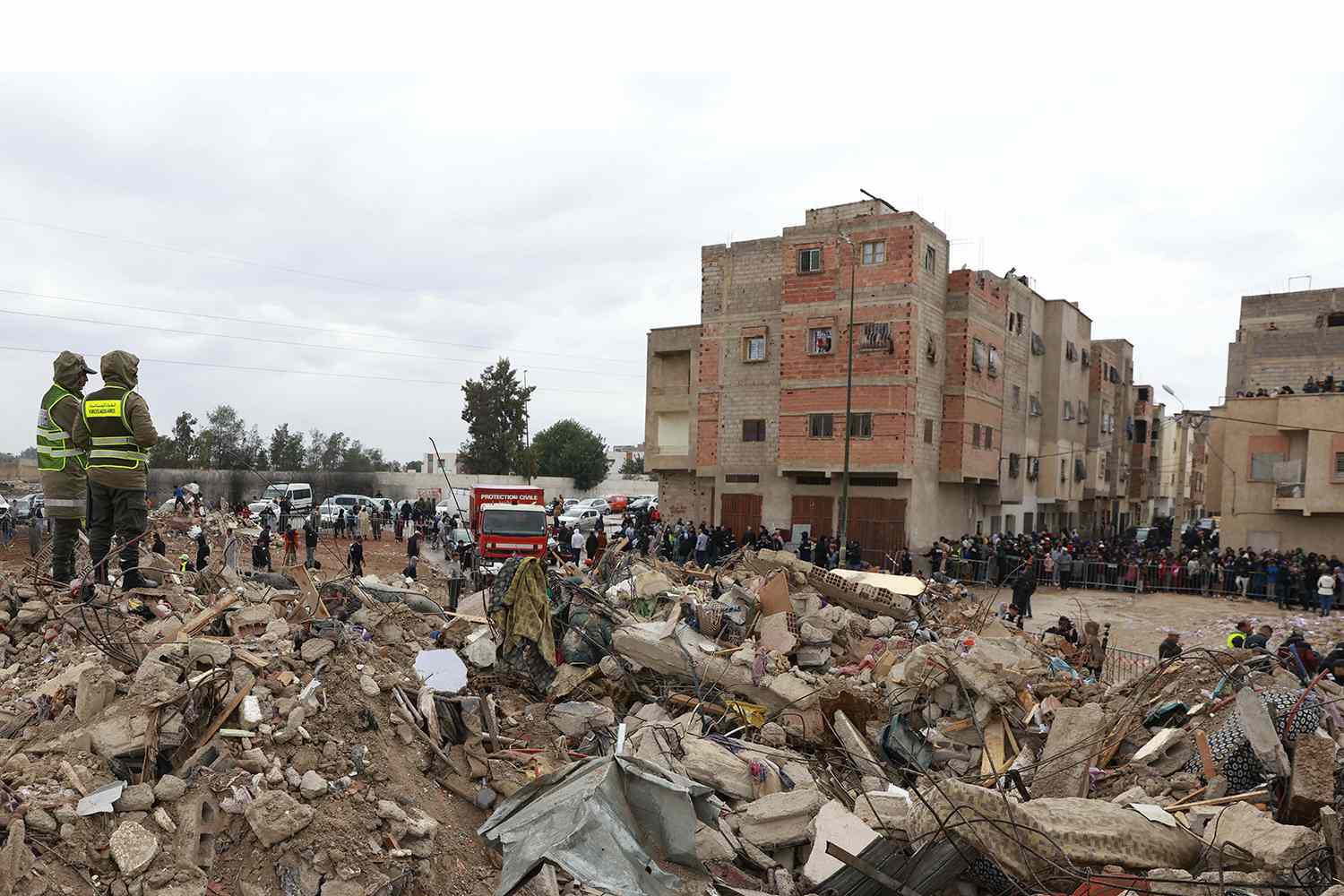
In the labyrinthine medina of Fez, where the air carries the scent of cedarwood tanneries and the echo of ancient muezzin calls, the city’s timeless allure has long masked a creeping vulnerability. Founded in the 8th century as one of the world’s first planned Islamic cities, Fez—Morocco’s third-largest urban center and a UNESCO World Heritage site—stands as a testament to architectural ingenuity and cultural endurance. Yet, on the night of December 9, 2025, this heritage was brutally interrupted by catastrophe. Two adjacent four-story residential buildings in the Al-Mustaqbal neighborhood of the Al-Massira suburb collapsed in a thunderous roar, claiming at least 22 lives and injuring 16 others. Rescue operations, now winding down after days of frantic digging, have left a scarred community grappling with profound loss, just as the city prepares to host matches for the Africa Cup of Nations and eyes its role in the 2030 FIFA World Cup. 21 22
The disaster unfolded around midnight, turning a joyous family gathering into unimaginable horror. One of the buildings was hosting an Aqiqah—the traditional Muslim celebration marking a child’s birth, complete with feasts and prayers—when the structures gave way. Eight families called these homes their own, a mix of young professionals, elders, and children squeezed into spaces built under a government initiative to eradicate slums. As dust clouds billowed into the night sky, neighbors recounted a sound like “thunder from the earth,” followed by screams piercing the quiet streets. By dawn, emergency crews from Morocco’s Civil Protection Service, aided by local volunteers and heavy machinery, were sifting through tons of rubble, their floodlights casting eerie shadows over the debris. 23 24
This article reconstructs the timeline of the collapse, explores the structural and socioeconomic factors that precipitated it, examines Fez’s broader urban challenges, and assesses the government’s response amid mounting public scrutiny. Drawing from survivor testimonies, official statements, and expert analyses, it underscores a stark reality: in a nation racing toward global sporting prestige, the foundational safety of everyday homes remains perilously neglected.
The Night of Collapse: A Joyous Ritual Turned to Tragedy
The Al-Mustaqbal neighborhood, a densely packed enclave on Fez’s southwestern fringe, embodies the city’s rapid post-colonial expansion. Constructed in 2006 as part of the “Cities Without Slums” (Villes Sans Bidonvilles) program, the two buildings were intended to provide dignified housing for families displaced from informal settlements. Each was designed for two stories, but like many in Morocco’s urban peripheries, unauthorized additions pushed them to four floors, accommodating growing households amid soaring property costs. 21 25
In the occupied building, the evening was alive with celebration. The Aqiqah for a newborn—complete with shaved head rituals, charitable meat distributions, and communal laughter—drew relatives from across the city. “We were singing and eating tagine when the floor trembled,” recalled Fatima Zahra, a 28-year-old aunt who escaped with minor injuries. “At first, we thought it was an earthquake, but then the walls cracked like eggshells. I grabbed my nephew and ran, but the dust choked everything.” Her account, shared with Morocco’s state broadcaster SNRT, echoes those of other survivors: a father who lost his wife and three children, pulling only one small body from the ruins before collapsing in grief. 22 28
The adjacent structure, unoccupied at the time, may have acted as a domino, its instability exacerbating the fall. Eyewitnesses reported visible fissures in the facades weeks prior—cracks dismissed as “settling” by overextended landlords. When the buildings imploded, the collapse was near-total: concrete slabs pancaked atop one another, trapping residents in a void of twisted rebar and shattered tiles. Initial reports from the Fez prosecutor’s office tallied 19 deaths, but by midday December 10, the toll rose to 22, including several children. Sixteen survivors, many with crush injuries and respiratory issues from inhaled debris, were rushed to Ibn Sina University Hospital, where medical teams worked through the night. 23 26
Rescue efforts, involving over 200 personnel, cranes, and sniffer dogs, lasted more than 48 hours. “Every stone we lifted felt like a lifetime,” said Captain Hassan El-Mekki, a lead responder, in an interview with Al Jazeera. Drones scanned for heat signatures, but the tight urban grid complicated access, forcing teams to navigate narrow alleys clogged with anxious crowds. By December 11, officials declared the site secure, though whispers of additional trapped victims lingered, fueling communal prayers at nearby mosques. 28
On X, the outpouring was raw: Posts from locals like @FezVoiceNow decried “another needless loss in a city of wonders,” while global users shared footage of the rubble, amassing over 500,000 views. One viral clip, from @OceanNewsUK, showed rescuers pulling a toddler from the wreckage, her cries piercing the silence—a haunting symbol of innocence amid ruin. 4
Cracks in the Foundation: A Pattern of Neglect and Overreach
The Fez collapse is no isolated incident; it is the latest fracture in Morocco’s strained housing ecosystem. Built to code initially, the structures succumbed to common vices: illegal upper floors added without permits, substandard materials, and deferred maintenance in a neighborhood where poverty hovers at 25%. Experts point to a toxic brew of rapid urbanization—Fez’s population has swelled 40% since 2000—and lax enforcement. “These additions overload foundations not designed for them,” explains Dr. Nadia Belkacem, a structural engineer at Mohammed V University in Rabat. “Cinderblock and cheap cement, exposed to Fez’s seismic whispers and relentless rains, were ticking bombs.” 24 30
Morocco’s building safety crisis is chronic. The Housing Ministry estimates 38,800 structures nationwide—over 13,700 in imminent peril—yet inspections lag. In May 2025, a similar Fez collapse killed 10, prompting temporary crackdowns that fizzled. Historical precedents abound: the 2010 Meknes minaret fall (41 dead), 2016 Marrakech and Casablanca incidents (multiple fatalities), and a 2023 old-medina house that buried five. Each time, probes reveal the same culprits: corruption in permitting, absentee landlords, and families desperate for space in a market where rents devour 40% of incomes. 22 26
The “Cities Without Slums” initiative, lauded in 2006 for relocating 20,000 Fez families, now symbolizes irony. Allocated plots spurred self-built homes, but without oversight, many deviated from plans. “We were promised security, not scaffolds,” laments survivor Ahmed Larboui, whose extended family lost four members. His words, echoed in Hespress reports, highlight a deeper inequity: While Morocco pours billions into World Cup stadiums—Fez’s new 45,000-seater nears completion—basic seismic retrofitting for 1.2 million residents remains underfunded. 24
Echoes of Unrest: Housing as a Flashpoint in Moroccan Society
Fez’s tragedy lands amid simmering discontent. Just two months ago, youth-led protests swept northern cities, including Fez, decrying “stadiums over survival.” Demonstrators, waving Moroccan flags and chanting “Housing for the people, not the elite,” blockaded roads, demanding audits of 2030 World Cup infrastructure spending. The Hirak-inspired movement, reignited by post-earthquake frustrations from September 2023’s Al Haouz quake (2,900 dead), frames collapses like this as symptoms of systemic rot. 21 29
Urbanization exacerbates the strain. Morocco’s cities absorb 200,000 rural migrants yearly, swelling Fez to 1.2 million. Informal housing—bidonvilles—clings to hillsides, while “modern” suburbs like Al-Massira hide vulnerabilities. Climate change compounds risks: Erratic rains erode foundations, and Fez’s position on the Azores-Mediterranean seismic belt (magnitude 5.0 quakes common) demands resilient designs often ignored. 30
Economically, the toll is steep. The 22 victims—artisans, teachers, market vendors—were breadwinners in a city where unemployment idles at 15%. Displaced families now cram with relatives, straining social services. On X, @WalawPress highlighted international condolences from Qatar’s Emir and Saudi Crown Prince Mohammed bin Salman, but locals like @Globupdate demand action: “Prayers won’t rebuild walls.” 5 6
Government Response: Probes, Pledges, and Persistent Doubts
King Mohammed VI, responding swiftly, ordered a judicial and technical inquiry, dispatching ministers to Fez for on-site assessments. The prosecutor’s office, led by Fez’s chief, has impounded construction records, interviewing builders and officials. Preliminary findings, per MAP, suggest foundation overload from illegal expansions, but full results may take months. 21 23
Prime Minister Aziz Akhannouch announced emergency aid: 100,000 dirhams ($10,000) per family, plus temporary housing in state hostels. The Housing Ministry pledged nationwide audits, targeting 5,000 high-risk buildings by March 2026. Yet, skepticism abounds. “We’ve heard these promises before—after Meknes, after Casablanca,” says opposition MP Fatima Alaoui of the Authenticity and Modernity Party. Protests, quelled in October, may reignite; youth groups like the Moroccan Front for Change vow vigils at the site. 26
Internationally, the UN Habitat program offered technical support, while FIFA expressed solidarity, noting Fez’s World Cup venues passed safety checks. Domestically, the disaster spotlights a paradox: Morocco’s 7% GDP growth fuels megaprojects, yet public investment in housing trails at 4% of budget. 24
Voices from the Rubble: Personal Stories Amid Collective Grief
Behind the statistics lie shattered lives. Among the dead: 7-year-old Amina, the Aqiqah celebrant, whose tiny form was recovered clutching a toy; and grandfather Karim El-Haj, a retired tanner whose final act was shielding his daughter. Survivor Zahra now cares for orphaned cousins, her home a makeshift shelter in a community hall. “Fez is our soul, but who guards our bodies?” she asks, tears mixing with the call to prayer. 28
Community response has been heroic: Neighbors formed human chains for supplies, while Fez’s famed solidarity—rooted in its fassi ethos—sees imams leading dawn funerals. On X, @MartinRJay, a Morocco-based journalist, posted: “Fez weeps, but its spirit endures. Demand better.” 7
Rebuilding Fez: From Mourning to Mandate for Change
As cranes clear the last debris on December 11, Fez stands at a crossroads. The collapse, the deadliest since 2010, amplifies calls for a “new social contract”—retrofitting mandates, stricter permitting, and equitable urban planning. Experts like Dr. Belkacem advocate blockchain-tracked inspections and incentives for green, quake-proof builds. For the World Cup, it’s a wake-up: Global eyes on stadiums must extend to streets.
Yet, hope flickers. In Al-Mustaqbal’s cafes, elders share tales of Fez’s resilience—from Almoravid walls to post-colonial rebirths. “We rebuild with love,” says Larboui, vowing to erect a memorial garden. As the sun sets over the medina’s minarets, casting golden hues on scarred earth, Morocco’s ancient city reminds us: Endurance demands action. In honoring the 22 lost, Fez must fortify not just stone, but its sacred right to shelter.
Amina El-Fassi reports from Rabat for Juba Global News Network, drawing on on-the-ground sources, official dispatches, and analyses from Reuters, BBC, Al Jazeera, and AP for a comprehensive perspective.